 Helldivers 2
Helldivers 2 Beginner Build Guide
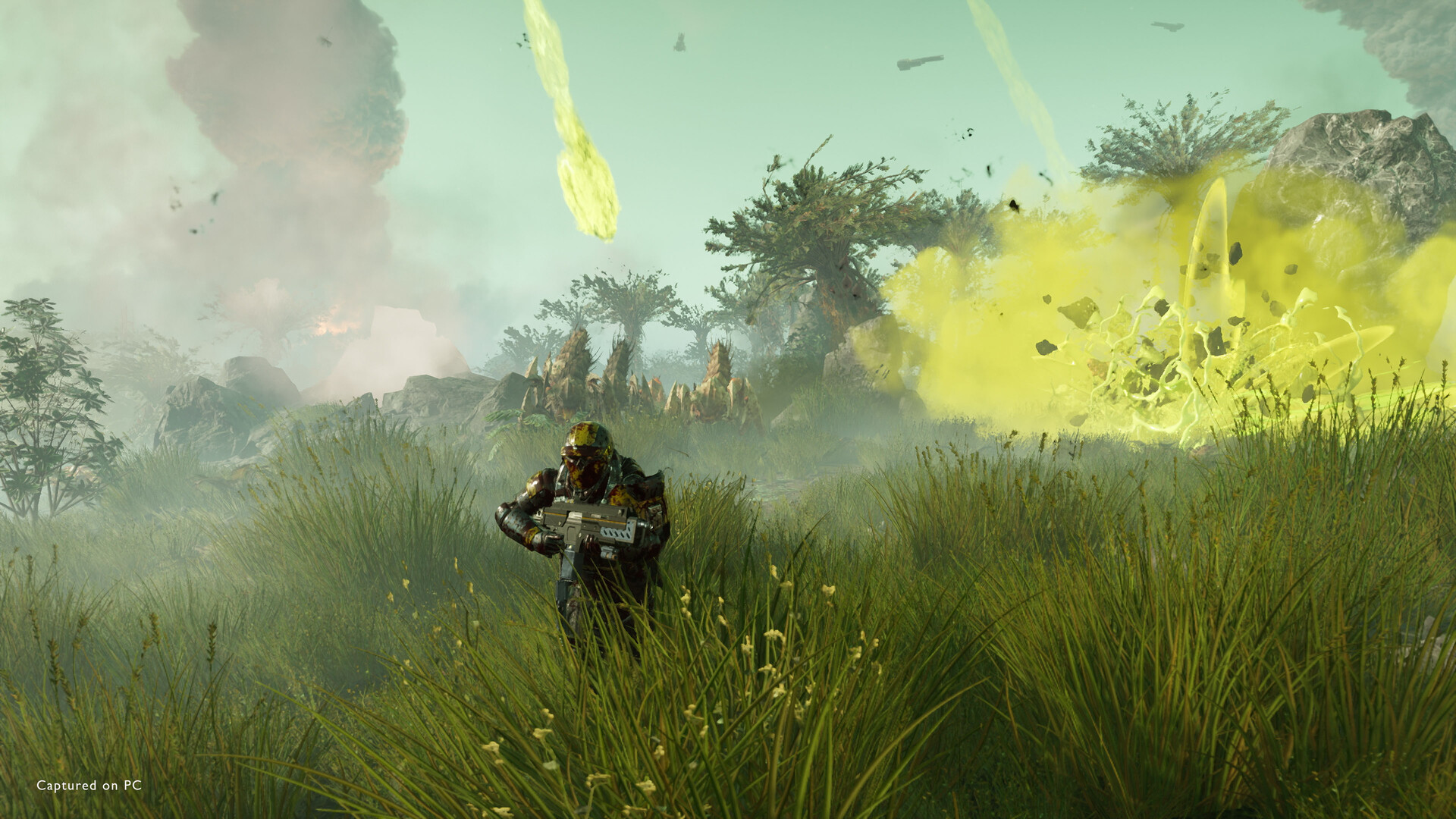
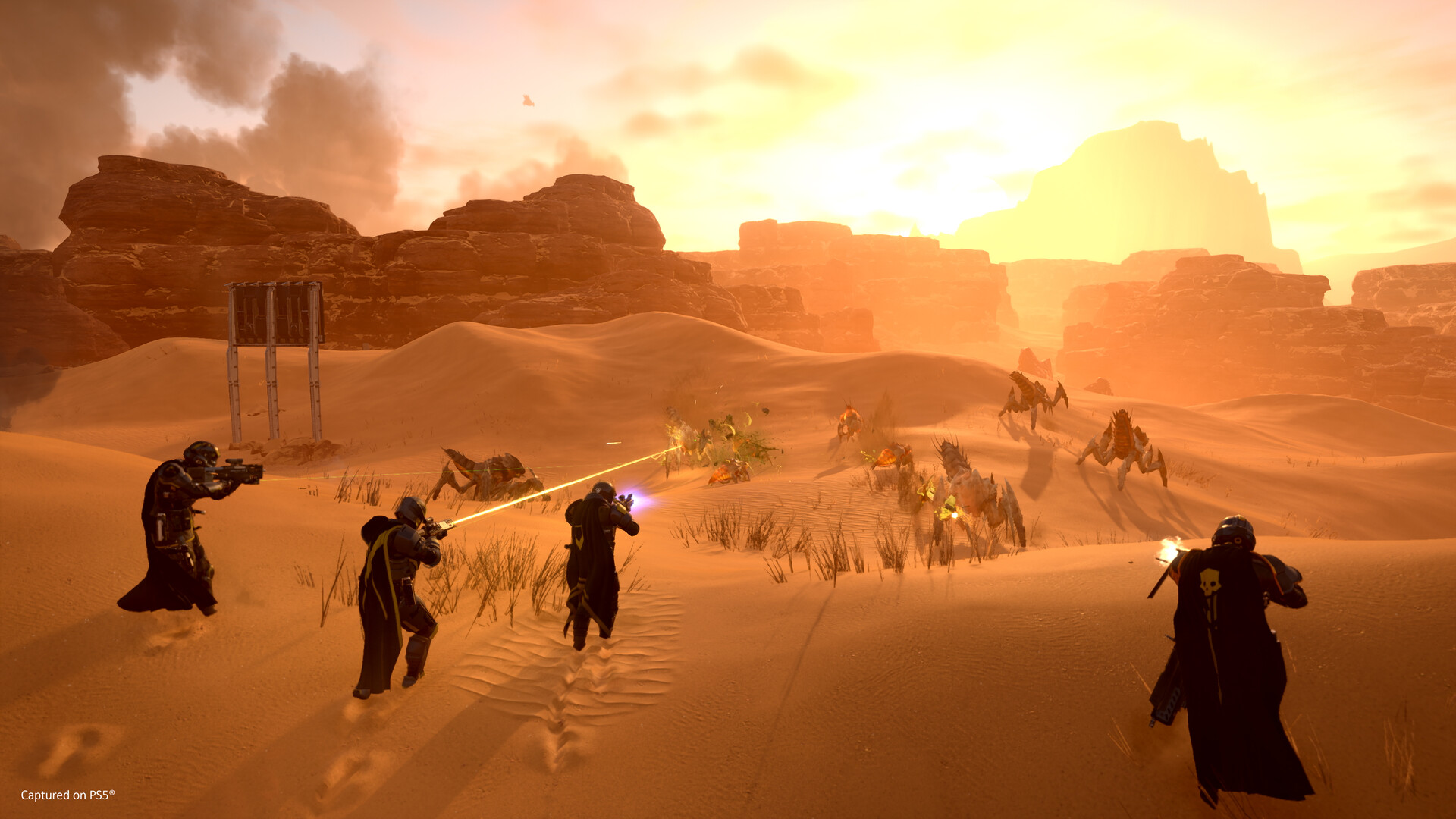
A helldivers 2 beginner build should do one thing extremely well: keep you alive long enough to learn the game’s rhythm. Helldivers 2 is a fast, frantic co-op shooter where positioning, target priority, and stratagem timing matter more than raw aim alone. Steam describes it as “fast, frantic, and ferocious,” and that fits the way this build plays: safe, flexible, and built to recover from mistakes rather than snowball them into a wipe. Source
For context, the game launched in Feb 8, 2024 and has already built a huge audience, with Steam tracking 75.1% positive across 1150564 reviews Source. That matters because beginner guidance has to work in real public matches, not just in theory. This guide is aimed at new players who want a reliable starter setup, not a flashy advanced meta loadout.
Build Identity
Safe Support Gunner
This build is a general-purpose frontline support setup. You anchor the squad, clear light and medium enemies, help finish armored targets, and stay useful even when the mission gets chaotic.
The elevator pitch is simple: stay mobile, bring answers to most enemy types, and avoid overcommitting to close-range fights you cannot win yet. That makes it a strong choice for a helldivers 2 beginner build because it forgives bad angles, bad timing, and imperfect communication.
This is not a pure damage build. It is a learning build. Your value comes from consistency:
- you clear swarms before they surround the team
- you keep pressure on enemies while allies reload or call stratagems
- you have tools for panic situations instead of hoping the squad carries you
If you want a broader role breakdown later, pair this with a related guide on stratagem fundamentals or a related guide on mission pacing.
Stat and Attribute Priorities
Helldivers 2 does not work like a traditional RPG with deep stat sheets, so for this section “stat priorities” means the practical priorities that actually shape beginner performance.
Survivability first
New players die most often from bad positioning and surprise pressure, so anything that improves staying power, armor handling, or escape options deserves top priority.Ammo efficiency
Beginner mistakes usually waste ammo. Prioritize weapons and habits that let you kill efficiently without constant resupply dependence.Crowd control
Most early mission failures come from getting boxed in by smaller enemies while a heavier threat closes the gap. Reliable crowd clear keeps the battlefield readable.Armor answer
You do not need to delete every armored enemy yourself, but you do need one dependable tool that can crack open a problem target when the squad is busy.Mobility and repositioning
Being able to move out of danger matters more than trying to tank damage. Good movement is a defensive stat in practice.Team utility
Beginner games are smoother when your loadout contributes to the squad’s overall tempo, especially in public lobbies.
Skill Rotation and Priority
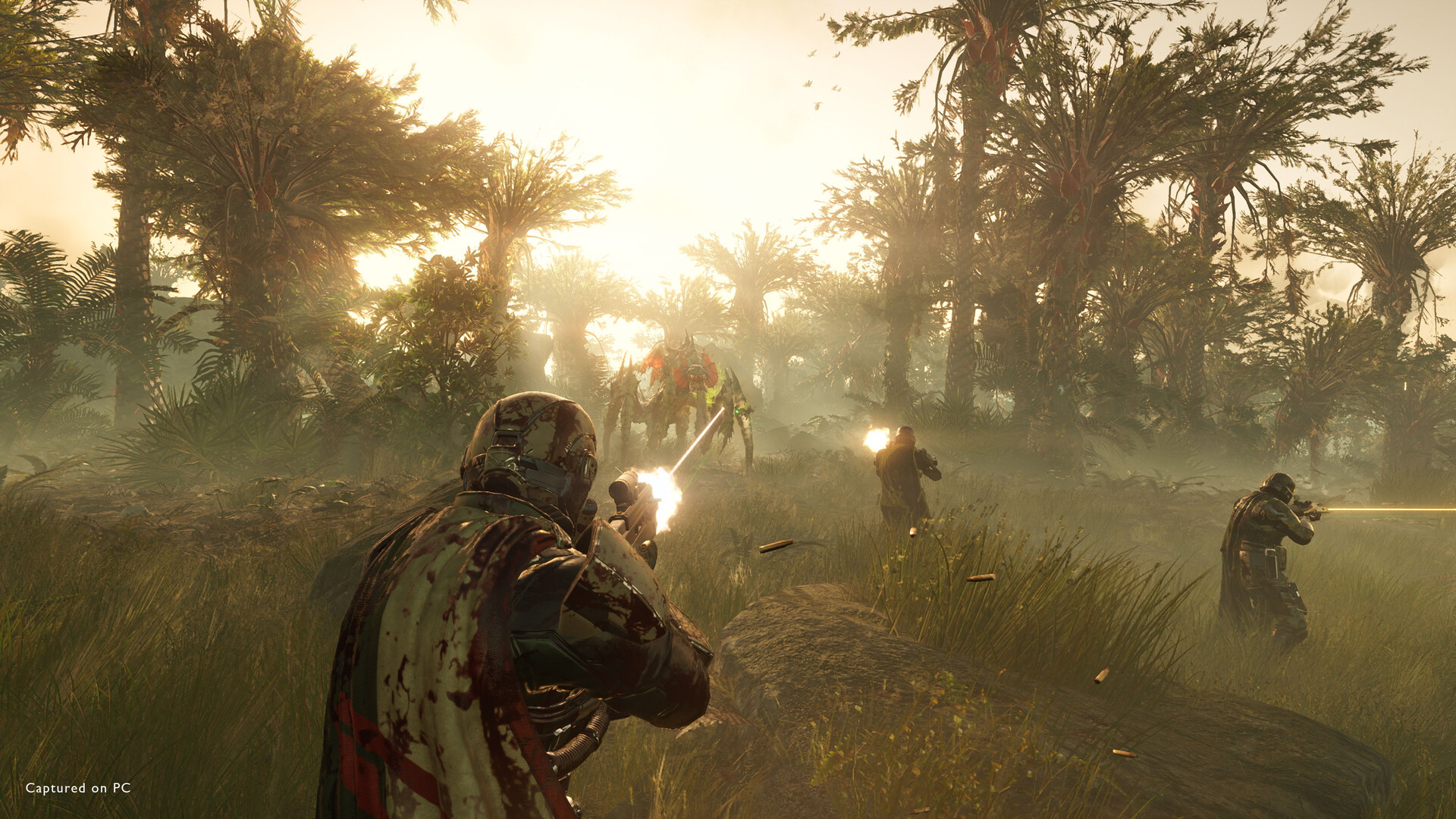
Helldivers 2 is not built around a fixed ability rotation in the MMO sense. For beginners, the real “rotation” is a priority loop: scan, position, engage, reset.
Priority Loop
Check the map and enemy angle before shooting
Starting fights from a bad angle is how squads get surrounded. Open with awareness, not aggression.Use your primary on light enemies and weak points
Save bigger tools for real threats. A beginner build gets much stronger when basic enemies stop draining your resources.Call stratagems before the fight becomes messy
The best time to place offensive tools is before your team is already under heavy pressure.Focus medium threats before chasing distant targets
Enemies that can pin, stun, or overwhelm the team deserve attention first. Ignore the flashy target if a smaller threat is collapsing your formation.Reset after each exchange
Reload, reposition, and re-center. Helldivers 2 punishes players who stand still after winning a small fight.
Simple Combat Priority
| Situation | Priority |
|---|---|
| Swarm pressure | Clear the smallest enemies first |
| Mixed enemies | Remove fast disruptors, then medium threats |
| Armored target appears | Ping it, keep distance, and deploy your anti-armor tool |
| Squad is split | Survive and regroup rather than overpushing |
| Objective under pressure | Finish the objective, then clean up the area |
The key beginner lesson is that Helldivers 2 rewards control, not greed. If you want a more aggressive playstyle later, you can branch into a different related guide once your basics are stable.
Gear and Loadout
This loadout is built around simple, readable tools that cover the most common beginner problems: swarms, medium enemies, and the occasional armored target.
| Slot | Item | Reason |
|---|---|---|
| Primary | Flexible automatic or burst rifle | Easy to use, reliable in mixed fights, and forgiving when you are still learning recoil and target priority |
| Secondary | Backup sidearm | Gives you a safety net when your main weapon is empty |
| Grenade | General-purpose explosive or anti-group option | Helps you break enemy clusters and pressure fortified positions |
| Stratagem 1 | Support weapon with armor utility | Gives you a direct answer to heavier enemies |
| Stratagem 2 | Area denial or crowd-clear stratagem | Strong when enemies start pouring in from multiple directions |
| Stratagem 3 | Defensive utility such as deployable cover or a support tool | Helps you recover from bad pulls and protect objectives |
| Stratagem 4 | Flexible offensive stratagem | Lets you adapt to the mission type and enemy faction |
What this build wants from gear
The best beginner gear is gear you can use under stress. Avoid overly specialized weapons unless you already know the enemy roster well. A helldivers 2 beginner build should make the game feel clearer, not more complicated.
For most new players, the safest approach is:
- one dependable primary for general fighting
- one support weapon for heavier targets
- one area-control tool
- one emergency button
That balance covers the majority of public-mission situations without forcing you into a narrow role.
Recommended Loadout by Tier
This tier table ranks beginner-friendly choices by how consistently they help new players learn the game.
| Tier | Loadout Type | Why It Works |
|---|---|---|
| S | Balanced rifle plus armor-answer support weapon | Best all-around learning setup for mixed mission types |
| A | Crowd-control focused loadout | Very strong when enemy density is the main problem |
| A | Defensive utility loadout | Good for nervous players or difficult public lobbies |
| B | High-damage specialist setup | Powerful, but less forgiving if you misread the fight |
| B | Pure mobility setup | Fun and flexible, but weaker when the squad needs direct stopping power |
| C | All-in explosive setup | Can be effective, but punishes poor positioning and friendly-fire mistakes |
The S-tier option is the safest recommendation for most players learning the game. The other tiers are valid, but they ask more of the player.
Counters and Hard Matchups
This build is strong against general mission chaos, but it has real limits.
What shuts it down
- Heavy armor spam can overwhelm you if your support weapon is on cooldown or misused.
- Long-range pressure becomes dangerous when enemies force you to cross open ground.
- Surprise flanks punish players who tunnel vision on the largest target.
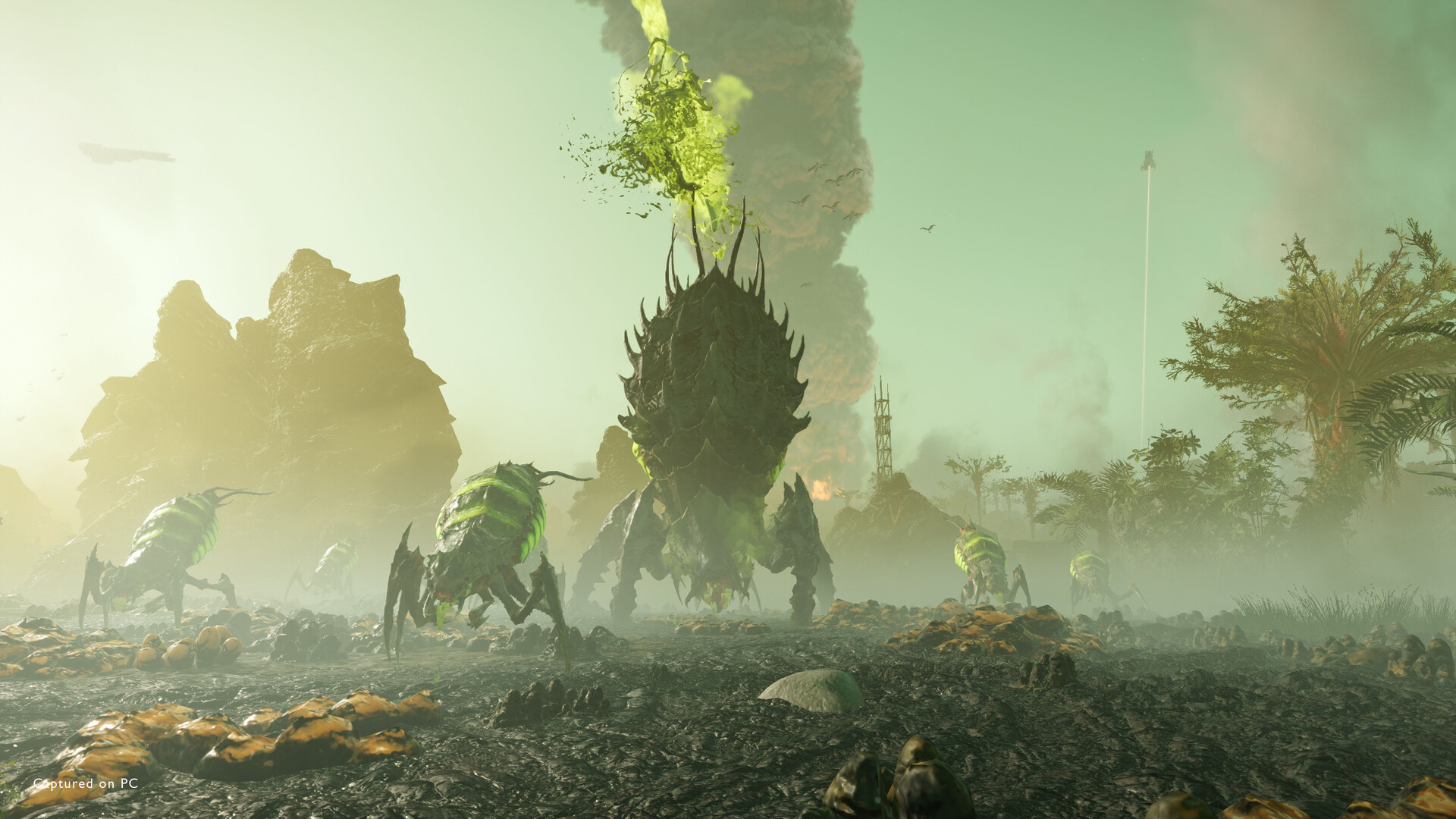
- Dense swarm waves can trap you if you spend too long on a single elite enemy.
How to adapt
- Keep your anti-armor tool ready for the enemy type that actually threatens the squad.
- Do not burn your crowd-control option just because it is available.
- Fight from cover and rotate away from bad terrain instead of standing your ground.
- Ping targets and let the team know when a heavy enemy needs dedicated attention.
- If your lobby has poor coordination, lean harder into defensive utility and area denial.
Against the roughest missions, the adjustment is not to become greedier. It is to become more disciplined. That is the core difference between a starter build that works and a starter build that collapses.
Budget vs Endgame Variant
Budget Starter Version
If you are still unlocking gear, use the cheapest practical substitutes:
- a basic all-purpose primary instead of a specialized rifle
- a simple backup sidearm
- one anti-swarm stratagem
- one anti-armor stratagem
- one defensive or support pick that keeps you alive
This version is ideal when your unlock pool is small. It still teaches the same fundamentals: target priority, spacing, and emergency recovery.
Endgame Version
Once you have more options, upgrade toward:
- a primary that handles both light enemies and medium threats efficiently
- a support weapon with more reliable armor handling
- stronger area denial for objectives and extract
- a defensive stratagem that saves failed pushes
The endgame version does not change the philosophy. It sharpens it. You are still playing a control-first support gunner, but now the build has more efficient answers to elite enemies and more flexibility in high-pressure missions.
Why This Works
Helldivers 2 has a big, active player base, and the game’s scale shows up in the way people approach it: Steam currently lists 28924 players in game and 75.1% positive reviews across 1150564 reviews Source. That level of activity means beginners will constantly run into wildly different squad skill levels, so a forgiving build is valuable.
It also helps that the campaign structure is not a short bite-sized story. HowLongToBeat reports roughly 32.43 hours for the main story, 65.01 hours with extras, and 89.29 hours for completion Source. In practical terms, that is enough time to justify a stable learning setup instead of constantly rerolling your loadout.
The real strength of this build is that it teaches good habits:
- do not overextend
- use the right tool for the threat
- keep moving
- fight with the squad, not ahead of it
That is the right mindset for a helldivers 2 beginner build, and it stays useful even after you outgrow the starter phase.
You might also like
- Helldivers 2 Walkthrough: A Complete Mission-First Guide
- Helldivers 2 tier list: Best Stratagems, Weapons, and Playstyle Picks
- Helldivers 2 Beginner Guide: Situational Survival, Team Play, and Escape Basics
- Helldivers 2 Beginner Guide
- Helldivers 2 Tier List Warbond: Best Warbonds Ranked
Sources
You might also like
- Helldivers 2 How to Find and Defeat Stalkers
- Helldivers 2 Builds: Explosive Support Gunner Guide
- Helldivers 2 How to Matchmake and Join Public Games
- Helldivers 2 Viper Commandos Premium Warbond - Guide
- Helldivers 2 Why Now May Be the Perfect Time for a New Enemy Faction
See also
- Helldivers 2 on Xbox: Performance, Release & Features
- Helldivers 2 Beginner Guide: Start Strong on Super Earth
- Helldivers 2 Tier List Armor: Best Armor by Tier
- Helldivers 2 How to Find and Defeat Bile Titans
- Helldivers 2 codes: Beginner Guide for New Players
- Helldivers 2 on Xbox: Performance, Release & Features
- Helldivers 2 TR-7 Ambassador of the Brand Beginner Guide
- Helldivers 2 Urban Legends Premium Warbond - Guide
- Helldivers 2 DP-11 Champion of the People Beginner Guide
- Helldivers 2 How to Find and Defeat Bile Spewers
- Helldivers 2 Force of Law Premium Warbond Beginner Guide
- Helldivers 2 Beginner Guide: Start Strong, Spend Smart, and Survive the Early War
- Helldivers 2 Beginner Guide: Getting Started on PS4, Smart Early Progress, and Common Mistakes
- Helldivers 2 Beginner Guide: Getting Started, Smart Progression, and the Helldivers 2 Cutting Edge Premium Warbond
- Helldivers 2 How to Find and Locate Chargers
See also
- Helldivers 2 Eagle Rearm Guide for Beginners
- Helldivers 2 Truth Enforcers Premium Warbond - Guide
- Helldivers 2 All Mission Types: Beginner Guide
- Helldivers 2 Beginner Guide: Xbox Launch and ODST Warbond Release Time
- Helldivers 2 How to Get the CM-17 Butcher Armor Set
- Helldivers 2 DP-40 Hero of the Federation Beginner Guide
- Helldivers 2 B-08 Light Gunner Beginner Guide
- Helldivers 2 Beginner Guide: Smart First Steps, Resources, and Common Mistakes
- Helldivers 2 DP-53 Savior of the Free Beginner Guide
- Helldivers 2 How to Farm Super Credits: Tips and Tricks
- Helldivers 2 How to Get the CE-67 Titan Armor Set
- Helldivers 2 Chemical Agents Premium Warbond Beginner Guide
- Helldivers 2 How to Get Armor Piercing Rounds: Beginner Guide
- Helldivers 2 CE-35 Trench Engineer Beginner Guide
- Helldivers 2 How to Get the EX-03 Prototype 3 Armor Set
Screenshots

Reviewed by
HD2 Guides Editorial
Expertise: Editorial team behind HD2 Guides. Content is compiled from official patch notes, community wikis, and playthrough notes, then reviewed and updated on schedule.
Sources
Helldivers 2 Loadouts Guides →
Browse the complete loadouts collection and its focused guides.
Related Guides
🔥 Popular Guides
Helldivers 2 helldivers 2 warhammer 40k collaboration update Patch Notes Explained
Helldivers 2’s Warhammer 40K crossover adds Castellan’s Creed, new weapons, armor, enemies, missions, SEAF allies, and more.
Helldivers 2 super helldive achievement guide
Achievement guide for Helldivers 2 covering rare trophies, hidden requirements, missable timing, and a full Super Helldive completion route.
HELLDIVERS™ 2 all achievements: complete achievements guide
Full Helldivers 2 achievements guide with rarest trophies, hidden unlocks, missables, and a 100% completion route.
Helldivers 2 patch notes 7.0.2: What changed in the Void update era
What changed in Helldivers 2 patch notes 7.0.2, including new Illuminate threats, SEAF support, the level cap increase, and squad action items.
📋 Patch Notes & Updates
🛠️ Popular Tools
Was this guide helpful?
Rate this guide so we can improve it.
Share your own tip
Found something not in the guide? Submit it below — our editors review every tip before publishing. No account required.