 Helldivers 2
Helldivers 2 How to Find and Defeat Stalkers

Quick Answer: Find Stalkers by hunting Bug nests and listening for their distinctive ambush behavior; defeat them by staying grouped, watching for shimmer, using area damage, and destroying the Stalker nest as soon as you spot it.
What Stalkers Are and Why They Matter
Stalkers are one of the most dangerous Terminid threats because they specialize in stealth, fast gap-closing, and punishing isolated players.
They’re the kind of enemy that turns a smooth mission into a scramble if you ignore them for too long. In Helldivers 2 How to Find and Defeat Stalkers, the real lesson is not just “shoot the invisible bug,” but “spot the nest, control your spacing, and stop the reinforcements.”
A few game facts help frame why learning this matters early: HELLDIVERS™ 2 is a 2024 cooperative multiplayer third-person shooter from Arrowhead Game Studios and Sony Interactive Entertainment Source, and it has a strong ongoing player base with 29,205 players in game right now on Steam Source. The game’s difficulty and teamwork focus are a big reason Stalkers remain such a memorable beginner wall.
What makes Stalkers different
- They can ambush from outside your normal “enemy seen, enemy shot” rhythm.
- They punish players who wander off alone.
- They often point to a nearby nest, which is the real priority target.
- They become much more manageable when your squad treats them as a search-and-destroy problem, not a “kill the one bug in front of me” problem.
How to Find Stalkers Fast
You find Stalkers fastest by reading the fight, staying alert for stealth tells, and checking the direction of repeated ambushes.
They don’t always announce themselves directly, but they usually leave enough clues that you can narrow them down quickly.
The clearest in-mission signs
- A teammate gets suddenly slammed or mauled by an enemy that seemed to appear out of nowhere.
- You see a faint shimmer or movement in open ground.
- A lone enemy stops being “lone” because a second attack comes from a different angle.
- Your squad keeps taking pressure from the same general direction even after clearing visible bugs.
The best search pattern
- Stay near your team instead of splitting wide.
- Mark the direction of each attack.
- Push toward the side of the map where ambushes keep starting.
- Clear nearby Bug structures and watch for hidden entrances or hives.
- If your squad has the firepower, use explosive or wide-area stratagems to flush out approaching threats.
The most important habit is simple: when a Stalker shows up, assume the nest is nearby and act on that assumption immediately.
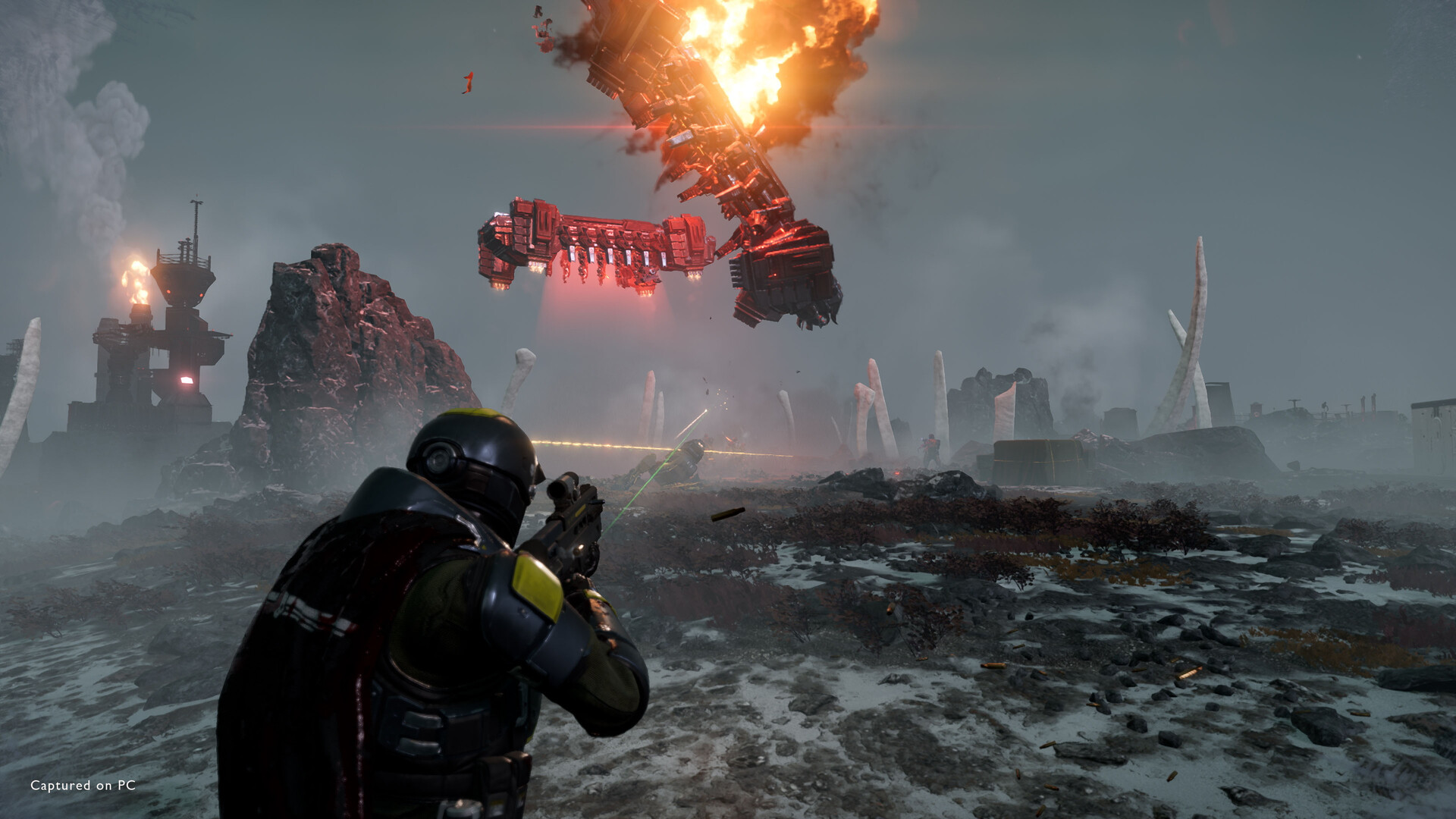
How to Defeat Stalkers Consistently
You defeat Stalkers consistently by denying them isolation, keeping your aim calm, and using the right tools to expose or overwhelm them.
They are dangerous because they win when you panic. If you stay together and force them into bad trades, they go from terrifying to manageable.
Practical combat tips
- Keep moving, but don’t scatter. Stalkers love isolated targets.
- Aim for center mass or the head once visible. Their strength is in surprise, not durability against concentrated fire.
- Use fire, explosions, and area denial. Anything that covers space helps against stealthy rushes.
- Call stratagems early, not late. Waiting until you’re already surrounded makes the fight much harder.
- Cover your revive attempts. A Stalker often punishes a careless pickup.
Best mindset in the fight
Treat each encounter as a signal. The enemy in front of you is not the full problem; the hidden source of the pressure is. Once you focus on the nest and stop chasing individual targets across the map, these fights become much cleaner.
First-Hour Checklist
Your first hour should be spent learning the mission loop, experimenting with basic loadouts, and practicing how to react when stealth enemies appear.
If you want a strong start, do these things early and deliberately:
Your first 60 minutes should include
- Finish a few low-difficulty missions first. Learn how objectives, extraction, and reinforcements work without extra pressure.
- Test at least two primary weapons. Find one that feels reliable when enemies rush you.
- Practice calling stratagems under pressure. The goal is speed and muscle memory, not perfection.
- Stick close to teammates or randoms. This teaches spacing and keeps stealth predators from isolating you.
- Pay attention to bug nest locations and attack angles. That helps you locate Stalker sources later.
- Extract even after a messy mission. The habit of surviving to the end matters more than chasing a flawless run.
- Unlock or equip one crowd-control option if available. New players benefit a lot from tools that handle surprise pressure.
The early game is about building instincts, not squeezing out ideal performance. If you can survive a sudden ambush, recover, and keep the objective moving, you’re learning the right lessons.
Resource Priority Order
Your best resource priority is to spend on dependable combat tools first, then squad utility, then comfort upgrades.
Because Helldivers 2 rewards practical loadouts, beginners should resist the urge to spread resources thin across flashy options before they have a stable core kit.
| Priority | Spend or hoard on | Why it matters |
|---|---|---|
| 1 | Reliable weapons and core stratagems | These improve survival immediately and help against surprise enemies like Stalkers |
| 2 | Useful ship upgrades and support options | These increase mission consistency and squad value |
| 3 | Cosmetic or niche choices | Fun later, but not the best early efficiency use |
| 4 | Save rare materials until you know your playstyle | Prevents wasting resources on gear you won’t keep using |
What to prioritize first
- Combat reliability over novelty.
- Crowd control over single-target greed.
- Upgrades that help your whole squad over personal ego picks.
- Materials you only earn slowly should be spent after you understand your preferred role.
What to hoard early
- Rare upgrade materials until you know which ship path you want.
- Currency used for meaningful unlocks, not impulse buys.
- Any limited progression resource you haven’t fully understood yet.
This is especially important in a game where even long-term interest stays high: Steam lists 1,151,055 reviews with a 75.1% positive “Mostly Positive” summary Source, so there’s a big ecosystem of players learning efficient builds and progression paths.
Common Newbie Mistakes and How to Fix Them
New players usually struggle less because of raw aim and more because of positioning, pacing, and bad resource habits.
Here are the most common beginner mistakes, along with concrete fixes.
1. Splitting from the squad
Mistake: You wander off to grab a pickup or chase a side objective alone, and a stealth enemy punishes you.
Fix: Stay within support range of at least one teammate unless the mission clearly calls for separation. If you need to move out, go quickly and come back quickly.
2. Ignoring the source of the attack
Mistake: You keep shooting whatever is visible and never track where the ambush came from.
Fix: After each Stalker sighting, pause for a second and identify the direction of the attack. Push that direction with the team and clear the nest.
3. Saving stratagems for “later”
Mistake: You hold back powerful tools until the fight is already out of control.
Fix: Use your support options when they solve a real problem, especially during surprise pressure, extraction defense, or clustered enemies.
4. Panicking when stealth enemies appear
Mistake: You spin, retreat randomly, or reload at the worst possible moment.
Fix: Keep your movement simple: back up toward allies, fire consistently, and avoid turning the fight into chaos.
5. Spending progression too early on niche picks
Mistake: You unlock flashy options before you have a dependable baseline setup.
Fix: Build a stable core loadout first, then experiment once you can comfortably survive standard missions.
Graduation Threshold: When You’re No Longer a Beginner
You’re out of the beginner phase when you can read a fight, survive ambushes, and contribute to objectives without constant babysitting.
A good self-test is whether you can handle unexpected pressure without your whole mission collapsing.
Signs you’ve graduated
- You can identify where a Stalker pressure wave is coming from.
- You instinctively regroup instead of running solo.
- You use stratagems with purpose instead of panic.
- You know which of your weapons handles crowds and which handles priority targets.
- You can complete standard missions without feeling overwhelmed by every new enemy type.
Another useful benchmark is overall game familiarity. HowLongToBeat currently reports roughly 32.43 hours for the main story, 65.01 hours with extras, and 89.29 hours for completion Source. You do not need to “finish” that much to stop being a beginner, but those figures show the game has enough depth that mastery comes from repetition, not one lucky run.
If you’re surviving ambushes, clearing nests on instinct, and helping your squad recover from mistakes, you’ve moved into the next stage.
Next Steps: What to Read After This Guide
Once you can handle stealth threats, your next step is learning broader loadouts, mission flow, and difficulty scaling.
Here are the most useful follow-ups:
- related guide — Best beginner loadouts for Terminid missions
- a new enemy faction — How to choose stratagems for solo vs squad play
- related guide — Mission walkthrough for early Helldivers 2 operations
These guides pair well with learning Helldivers 2 How to Find and Defeat Stalkers, because Stalker control becomes much easier when your whole build supports awareness and crowd management.
Sources
Screenshots
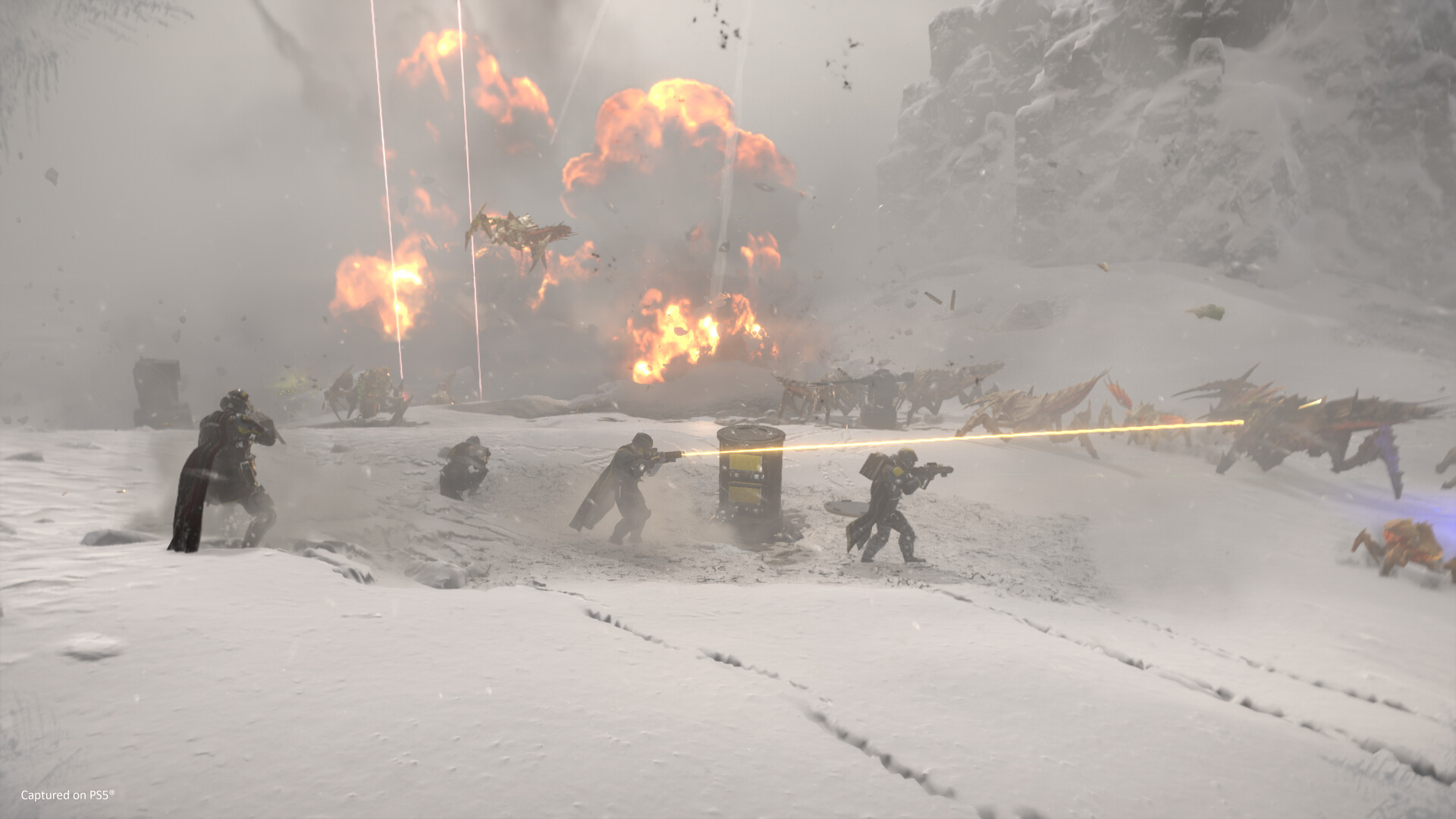
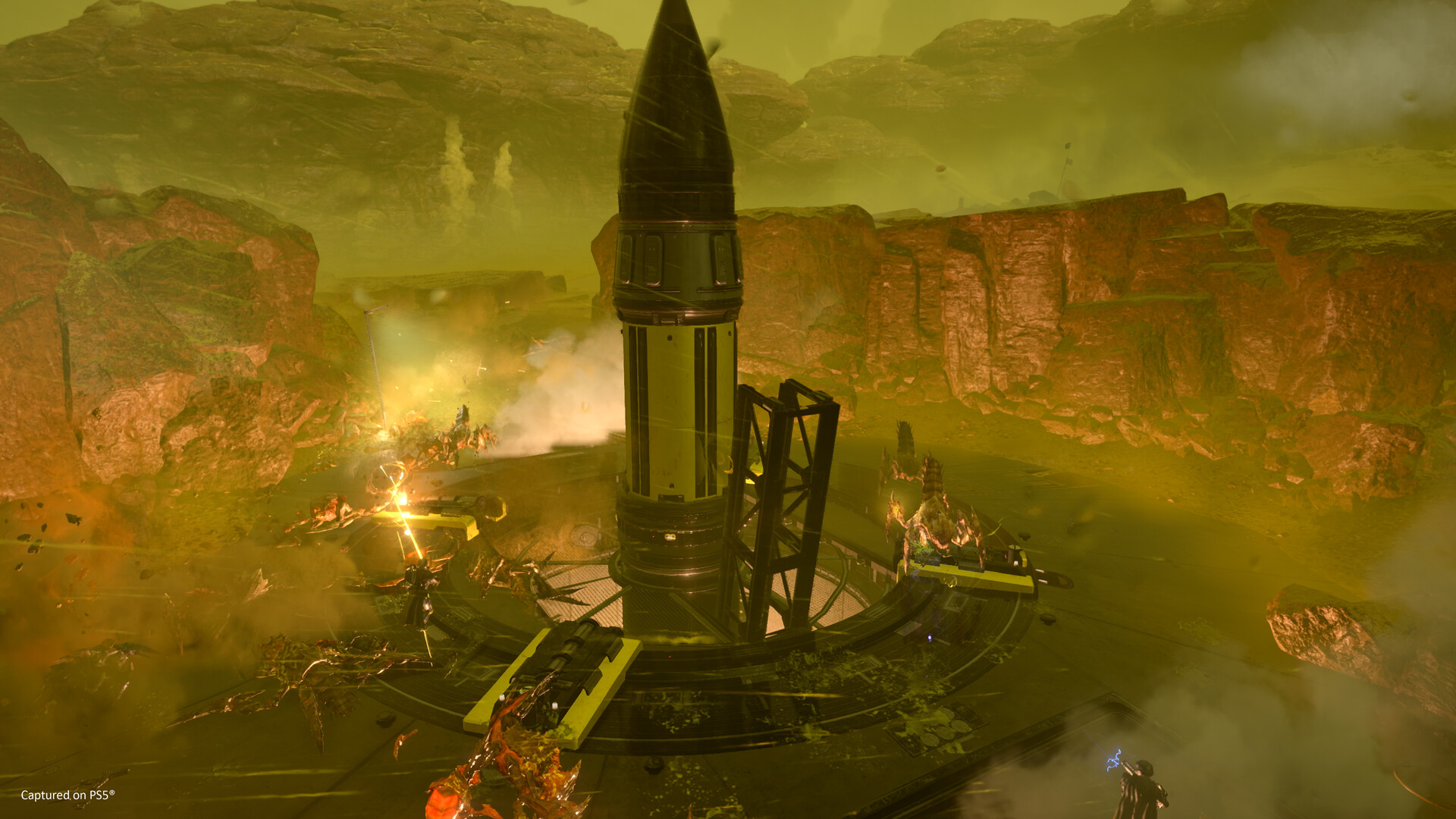

Reviewed by
HD2 Guides Editorial
Expertise: Editorial team behind HD2 Guides. Content is compiled from official patch notes, community wikis, and playthrough notes, then reviewed and updated on schedule.
Sources
Helldivers 2 Missions Guides →
Browse the complete missions collection and its focused guides.
Related Guides
🔥 Popular Guides
Helldivers 2 helldivers 2 warhammer 40k collaboration update Patch Notes Explained
Helldivers 2’s Warhammer 40K crossover adds Castellan’s Creed, new weapons, armor, enemies, missions, SEAF allies, and more.
Helldivers 2 super helldive achievement guide
Achievement guide for Helldivers 2 covering rare trophies, hidden requirements, missable timing, and a full Super Helldive completion route.
HELLDIVERS™ 2 all achievements: complete achievements guide
Full Helldivers 2 achievements guide with rarest trophies, hidden unlocks, missables, and a 100% completion route.
Helldivers 2 patch notes 7.0.2: What changed in the Void update era
What changed in Helldivers 2 patch notes 7.0.2, including new Illuminate threats, SEAF support, the level cap increase, and squad action items.
📋 Patch Notes & Updates
🛠️ Popular Tools
Was this guide helpful?
Rate this guide so we can improve it.
Share your own tip
Found something not in the guide? Submit it below — our editors review every tip before publishing. No account required.