 Helldivers 2
Helldivers 2 CE-35 Trench Engineer Beginner Guide
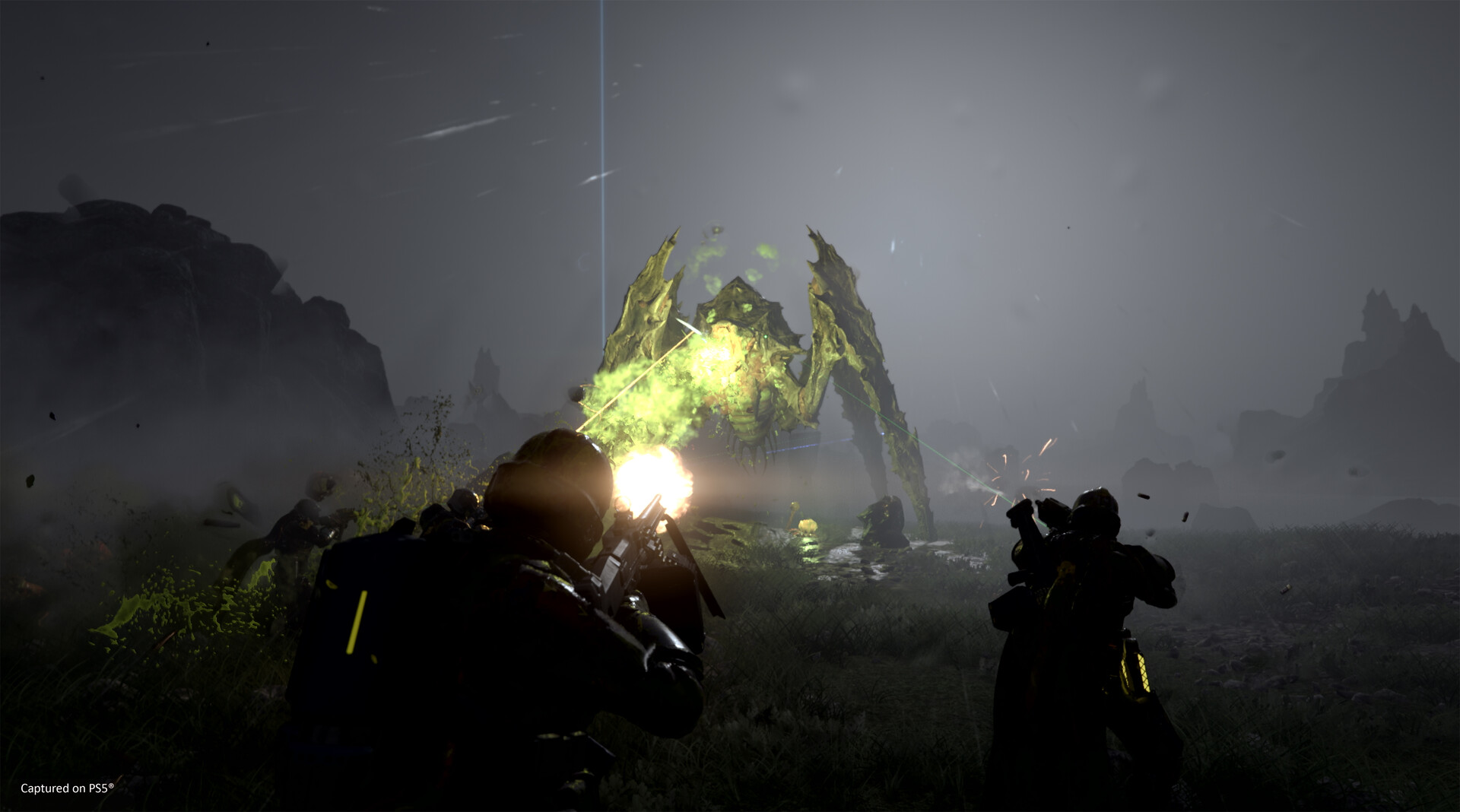
Quick Answer: Helldivers 2 CE-35 Trench Engineer is a bunker-busting armor set for players who want stronger explosive resistance and a safer close-range playstyle, but it works best when you still learn positioning, stratagem timing, and squad discipline.
What CE-35 Trench Engineer Does
The Helldivers 2 CE-35 Trench Engineer is a defensive armor choice built for players who expect to operate near explosions, heavy ordnance, and chaotic frontline fights.
This set is not a magic solution to bad habits. It rewards players who already understand where to stand, when to disengage, and how to keep line of sight clear for teammates. In beginner terms, it is a comfort pick for survivability, not a replacement for good movement.
It fits best when you:
- Push objectives under heavy enemy pressure
- Fight in terrain where accidental friendly fire is common
- Want a sturdier learning armor while you practice mission flow
- Prefer a more grounded, frontline-support role instead of pure mobility
First-Hour Checklist
Your first hour should be spent learning mission flow, unlocking basics, and avoiding overinvestment in systems you do not yet understand.
Do these actions first
- Run the tutorial and pay attention to stratagem input rhythm, not just the objectives.
- Play a few low-difficulty missions with random squads to learn reinforcement pacing, extraction behavior, and objective prioritization.
- Test one primary weapon, one support weapon, and one throwable pattern before changing loadouts again.
- Open the ship management menus and inspect what each currency actually buys.
- Start unlocking early ship modules only after you understand which stratagems you use most.
- Use the map and ping system constantly so you build habit memory for team communication.
- Extract even from messy missions so you learn how often late-game pressure spikes.
- If you have the CE-35 Trench Engineer, use it while you learn to handle blast radius and hostile area denial.
What to focus on mentally
- Mission completion matters more than personal kill count.
- Survival is often about spacing, not raw armor value.
- Friendly fire is a normal part of the learning curve, so practice restraint with explosives.
- Repeating the same mission type is useful if it helps you learn one thing cleanly at a time.

Resource Priority Order
You should spend early resources on broad power, then on comfort, and hoard premium currency until you know what role you want.
Recommended spending order
| Priority | Spend On | Why it comes first |
|---|---|---|
| 1 | Stratagems you will use in most missions | These affect every drop and create immediate value |
| 2 | Ship modules for your core tools | Upgrades scale your best options instead of spreading thin |
| 3 | Armor and weapons that fit your role | Buy for consistency, not novelty |
| 4 | Cosmetics and niche loadout pieces | These help style, but they do not solve progression |
| 5 | Premium currency purchases | Hold these until you know which Warbond or item pool you really want |
Practical rules
- Hoard premium currency until you know which weapons, armor, or utility items you will actually use.
- Do not split upgrade materials across every system at once.
- Spend on loadout stability before chasing novelty.
- If a purchase only helps in a very specific scenario, delay it until you know that scenario is common in your play.
Where CE-35 Trench Engineer fits
- Treat the armor as a survivability tool, not a first priority currency sink.
- If you already own it, use it while learning explosives, grenades, and heavy enemy spacing.
- If you do not own it yet, do not delay core progression just to chase one armor set.
Common Beginner Mistakes
Most new players fail by mismanaging spacing, overcommitting to fights, or misunderstanding how Helldivers 2 expects teams to rotate through objectives.
Mistake 1: Standing too close to the team
This causes avoidable friendly fire, especially with orbitals, grenades, and area denial stratagems.
Fix:
- Watch where your teammates are before calling explosives.
- Learn to fight from angles, not inside the same lane.
- Move out of the kill zone before you throw anything with a blast radius.
- Use the CE-35 Trench Engineer to practice safer proximity, but do not rely on armor to forgive bad placement.
Mistake 2: Fighting every patrol
New players often turn a manageable mission into an endless alert chain.
Fix:
- Only commit if the fight protects an objective or extraction route.
- Break contact when the team has no clear advantage.
- Clear enemies that block movement, then keep progressing.
- Treat time and noise as resources you can waste.
Mistake 3: Burning stratagems too early
A lot of beginners drop their strongest tools on the first contact and have nothing left for the mission’s real pressure points.
Fix:
- Save major cooldowns for objectives, elite enemies, and extraction.
- Use cheaper tools for routine fights.
- Ask whether a stratagem solves the current problem or just feels powerful.
- Learn the mission’s pacing so you stop spending your best resources on disposable threats.
Mistake 4: Ignoring objectives for kill count
Helldivers 2 rewards mission completion, not raw elimination numbers.
Fix:
- Keep moving toward objectives after each engagement.
- Clear only what blocks progress.
- Use kills to create space, not as the end goal.
- Build the habit of checking the map after every major fight.
Mistake 5: Staying on too high a difficulty too early
Jumping up difficulty before you know your role creates frustration, not faster improvement.
Fix:
- Learn one difficulty band until you can extract reliably.
- Increase difficulty when your deaths come from mistakes you can name, not confusion.
- If your team is constantly scrambling, step back and stabilize first.
How to Use CE-35 Trench Engineer Well
The CE-35 Trench Engineer works best when you treat it as a learning armor for controlled aggression.
Good habits with this armor
- Hold positions that let you survive incidental splash damage while still supporting the push.
- Stay disciplined with grenades and support weapons.
- Use cover more aggressively, since the armor does not replace actual cover use.
- Pair it with a loadout that lets you contribute without always running directly into danger.
What not to expect
- It will not fix bad map awareness.
- It will not make unsafe explosive play clean.
- It will not replace teamwork on harder missions.
- It will not let you ignore spacing around objectives, drops, or extraction.
Graduation Threshold
You are out of the beginner phase when you can complete missions consistently without the armor carrying your mistakes.
Signs you have graduated
- You know when to fight and when to move.
- You can call stratagems without hitting teammates.
- You understand which threats deserve immediate attention.
- You can build a loadout around a mission instead of picking random gear.
- You finish missions with a clear reason for each death or failure.
- You can explain why you chose CE-35 Trench Engineer, or why you swapped away from it.
A practical test
If you can join a squad, read the mission tempo in the first few minutes, and adjust your positioning and stratagem use without confusion, you are past the beginner stage.
Next-Step Internal Links
These are the most useful follow-up reads once you understand the basics.
- related guide for the best early armor and survivability picks
- a new enemy faction for beginner stratagem builds and mission roles
- related guide for difficulty progression and solo versus squad fundamentals
FAQ
Is Helldivers 2 CE-35 Trench Engineer good for beginners?
Yes, because it gives you a forgiving defensive profile while you learn spacing, explosive safety, and frontline discipline.
Should I buy the armor early?
Only if you already know you want a sturdier, closer-range playstyle. Core progression usually matters more than a single armor set.
Does armor matter more than weapons?
No. Weapons, stratagem timing, and positioning usually decide more fights than armor alone.
Can I use CE-35 Trench Engineer in higher difficulties?
Yes, but higher difficulties punish bad positioning harder, so the armor helps only if your decisions are already solid.
What should I spend resources on first?
Spend on the tools you use every mission, then upgrade your core ship modules, and hold premium currency until you know your long-term priorities.
Sources
Screenshots


Reviewed by
HD2 Guides Editorial
Expertise: Editorial team behind HD2 Guides. Content is compiled from official patch notes, community wikis, and playthrough notes, then reviewed and updated on schedule.
Sources
Helldivers 2 Missions Guides →
Browse the complete missions collection and its focused guides.
Related Guides
🔥 Popular Guides
Helldivers 2 helldivers 2 warhammer 40k collaboration update Patch Notes Explained
Helldivers 2’s Warhammer 40K crossover adds Castellan’s Creed, new weapons, armor, enemies, missions, SEAF allies, and more.
Helldivers 2 super helldive achievement guide
Achievement guide for Helldivers 2 covering rare trophies, hidden requirements, missable timing, and a full Super Helldive completion route.
HELLDIVERS™ 2 all achievements: complete achievements guide
Full Helldivers 2 achievements guide with rarest trophies, hidden unlocks, missables, and a 100% completion route.
Helldivers 2 patch notes 7.0.2: What changed in the Void update era
What changed in Helldivers 2 patch notes 7.0.2, including new Illuminate threats, SEAF support, the level cap increase, and squad action items.
📋 Patch Notes & Updates
🛠️ Popular Tools
Frequently Asked Questions
Quick answers from the guide · click a question to expand.
Is Helldivers 2 CE-35 Trench Engineer good for beginners?
Yes, because it gives you a forgiving defensive profile while you learn spacing, explosive safety, and frontline discipline.
Should I buy the armor early?
Only if you already know you want a sturdier, closer-range playstyle. Core progression usually matters more than a single armor set.
Does armor matter more than weapons?
No. Weapons, stratagem timing, and positioning usually decide more fights than armor alone.
Can I use CE-35 Trench Engineer in higher difficulties?
Yes, but higher difficulties punish bad positioning harder, so the armor helps only if your decisions are already solid.
What should I spend resources on first?
Spend on the tools you use every mission, then upgrade your core ship modules, and hold premium currency until you know your long-term priorities.
Was this guide helpful?
Rate this guide so we can improve it.
Share your own tip
Found something not in the guide? Submit it below — our editors review every tip before publishing. No account required.