 Helldivers 2
Helldivers 2 New Heart of Democracy Missions Beginner Guide

Quick Answer: Helldivers 2 New Heart of Democracy Missions are best approached by learning objectives first, spending resources on survivability and core stratagems, and avoiding friendly fire and over-commitment during chaotic urban defense runs.
What These Missions Are
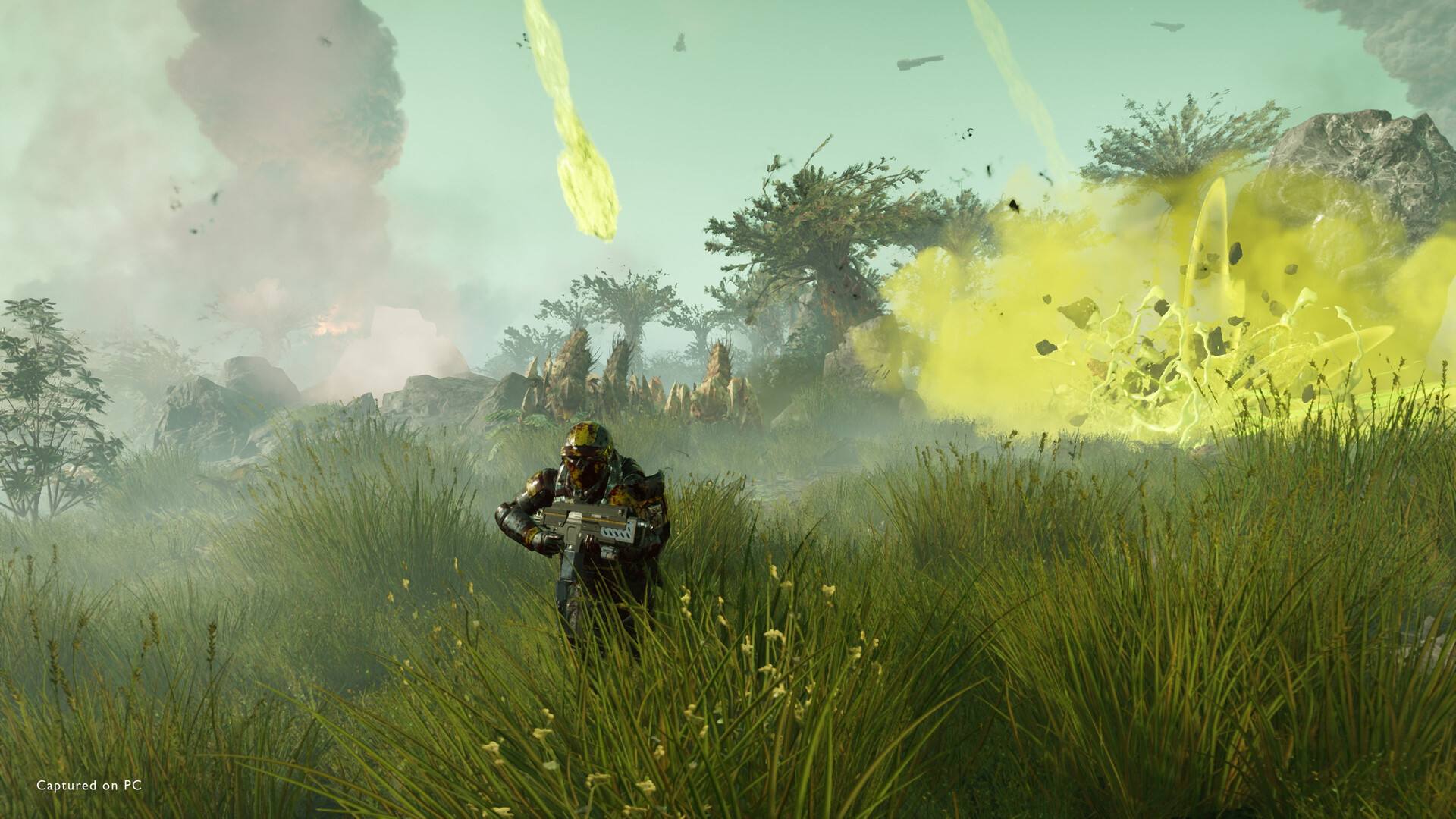
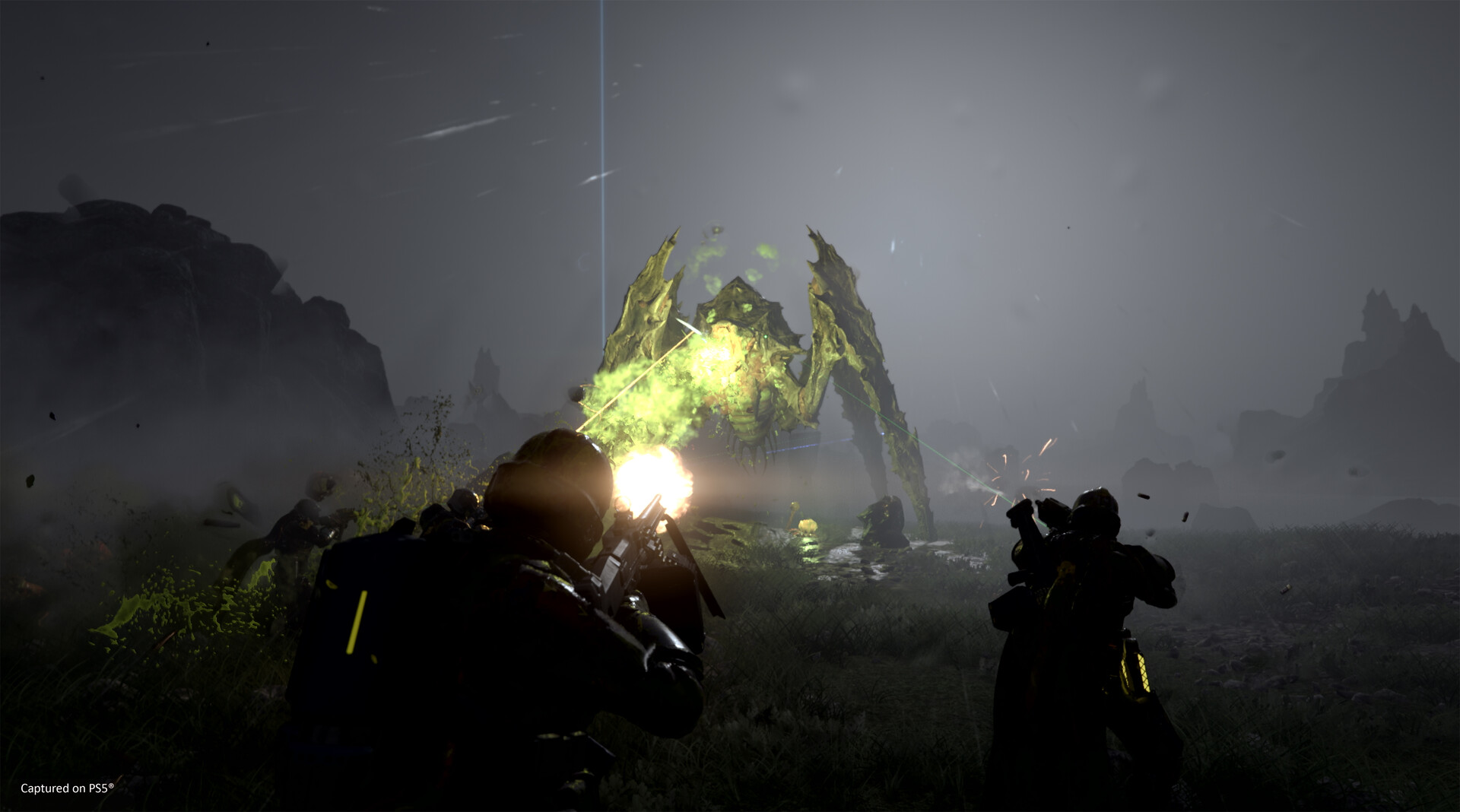
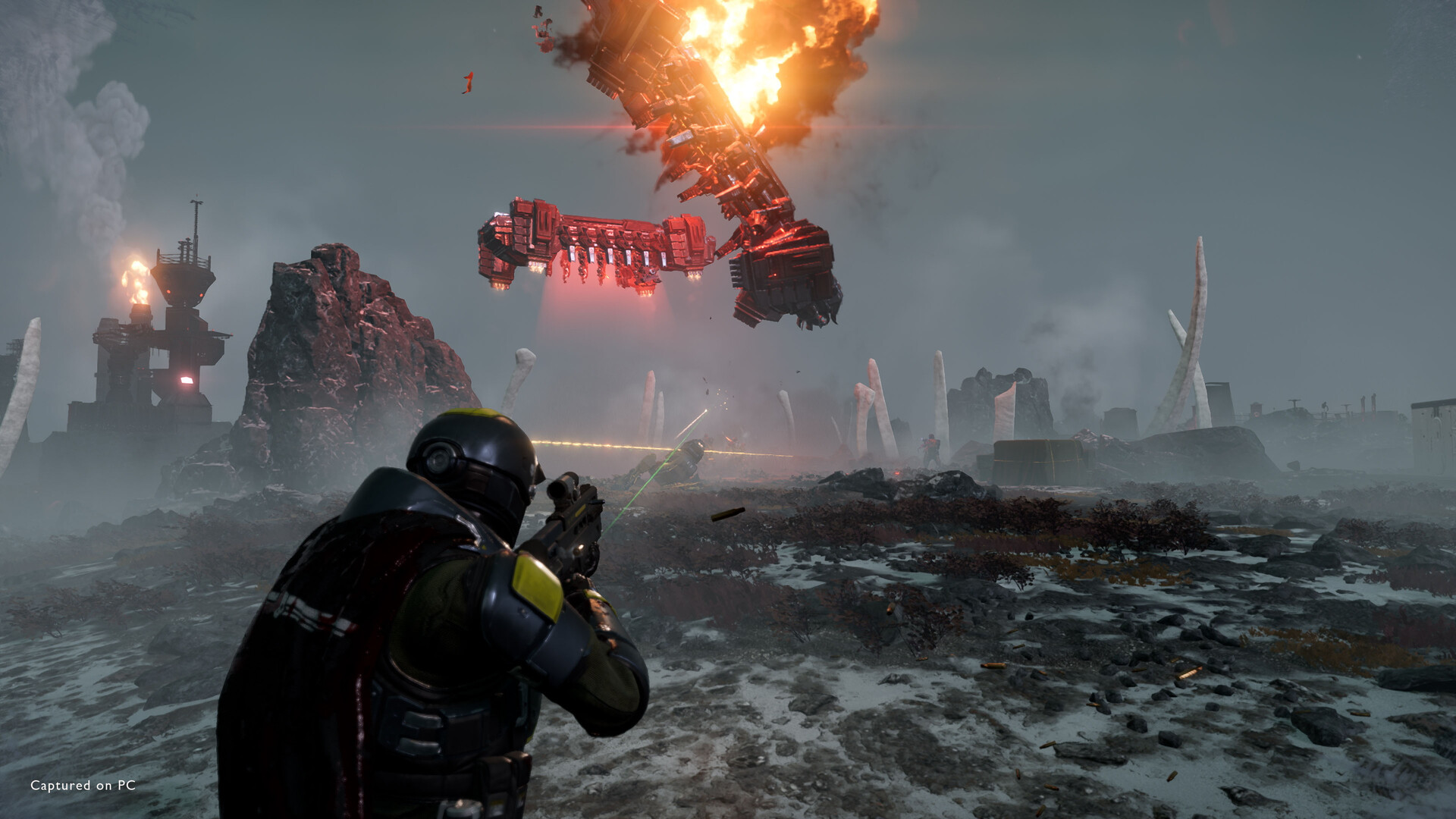
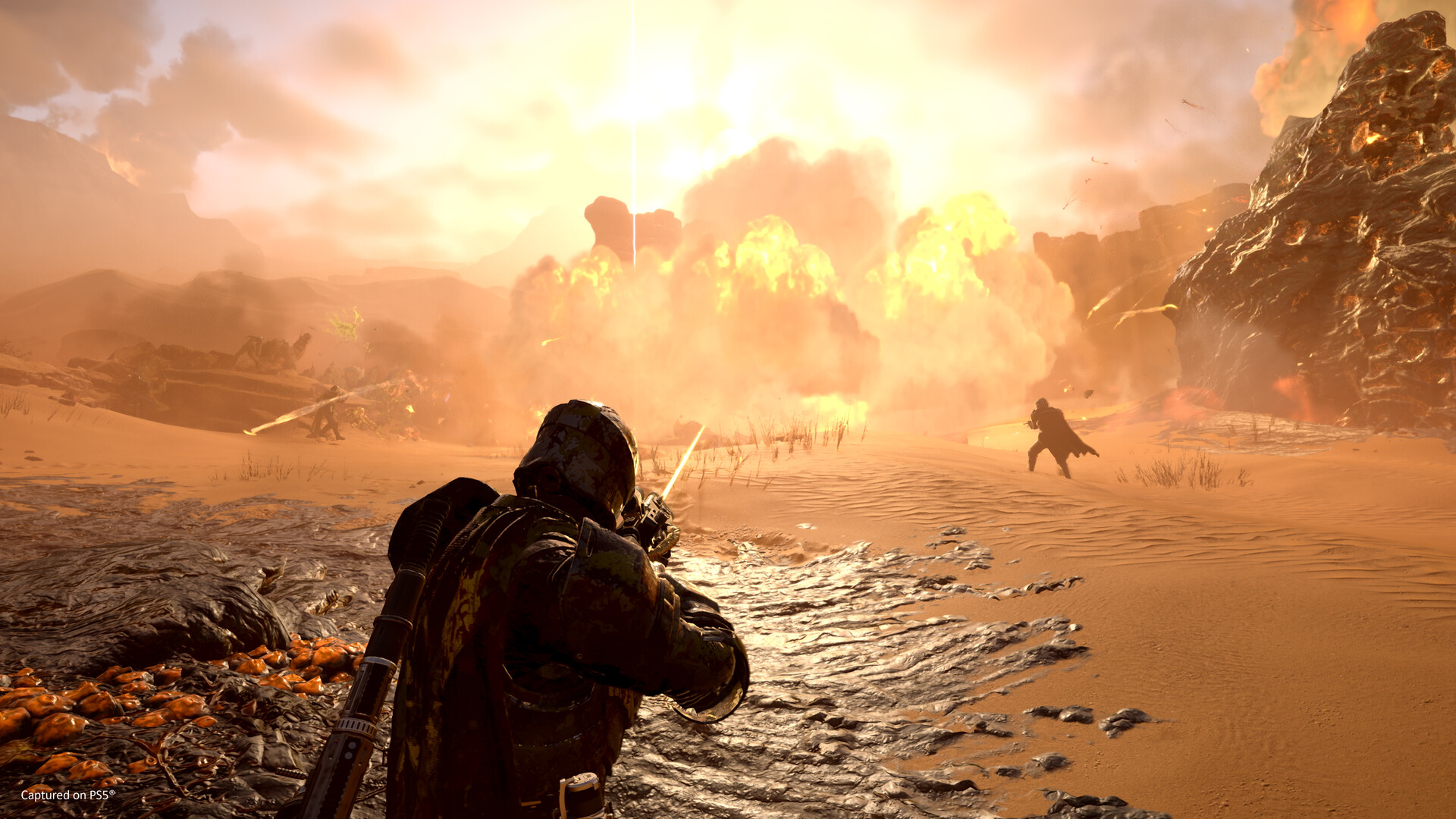
Helldivers 2 New Heart of Democracy Missions are high-pressure cooperative operations that reward control, communication, and fast objective play. Helldivers 2 is a 2024 cooperative multiplayer third-person shooter developed by Arrowhead Game Studios and published by Sony Interactive Entertainment Source, and the game’s tone is exactly what these missions demand: fast, frantic, and ferocious battlefield management Source. In practical terms, these missions usually feel different from standard planetary errands because the action is tighter, the map flow is more urgent, and mistakes punish the whole squad, not just the person making them.
The best way to think about New Heart of Democracy content is as a “read the battlefield, then execute” test. A beginner can absolutely contribute, but only if they treat the mission like a series of priorities rather than a place to chase kills. That means identifying the objective, clearing only what blocks progress, and staying aware of where allies are throwing stratagems, firing support weapons, or calling in resupplies. If you have played a few of the more common mission types already, this style of operation will still feel sharper because the fight often happens in confined lanes, near objectives, and under heavier pressure than normal roaming missions.
A useful mental model is to split your actions into three layers. First, survive and keep moving. Second, help the squad keep tools on cooldown, meaning resupplies, support weapons, and defensive stratagems are available when the mission starts to collapse. Third, only then optimize damage. Beginners often reverse that order and spend the whole mission trying to top the kill feed while the objective stalls. In Helldivers 2, especially in New Heart of Democracy-style missions, objective time matters more than combat style.
The game’s scale also helps explain why this advice matters. Steam’s official review summary currently reads “Mostly Positive” at 75.1% positive across 1151055 reviews Source, which tells you the game has a large, experienced player base and a long-lived mission culture. That matters for beginners because the most reliable advice comes from what actually works in live play: loadouts that keep you alive, stratagems that support teammates, and habits that reduce avoidable wipes.
First-Hour Checklist
Your first hour should be spent unlocking stability, not chasing flashy loadouts. The goal is to leave the opening session with a working build, a feel for mission flow, and enough confidence to stop making basic mistakes. If you are new to Helldivers 2 New Heart of Democracy Missions, use the first hour to learn how the game expects you to move, resupply, and extract rather than trying to brute-force every encounter.
Start with these actions:
- Complete the tutorial and confirm your control scheme for movement, aiming, crouching, diving, and stratagem input.
- Run one or two low-risk missions where your only goal is learning objective pacing and enemy behavior.
- Experiment with at least one primary weapon, one support weapon, and one defensive stratagem so you understand their timing.
- Use resupply and reinforce deliberately instead of waiting until the squad is already collapsing.
- Watch how often you hit teammates with stray fire, explosions, or stratagem throws, then adjust your spacing.
- Return to the ship after each mission and spend early unlocks on tools that make you harder to kill.
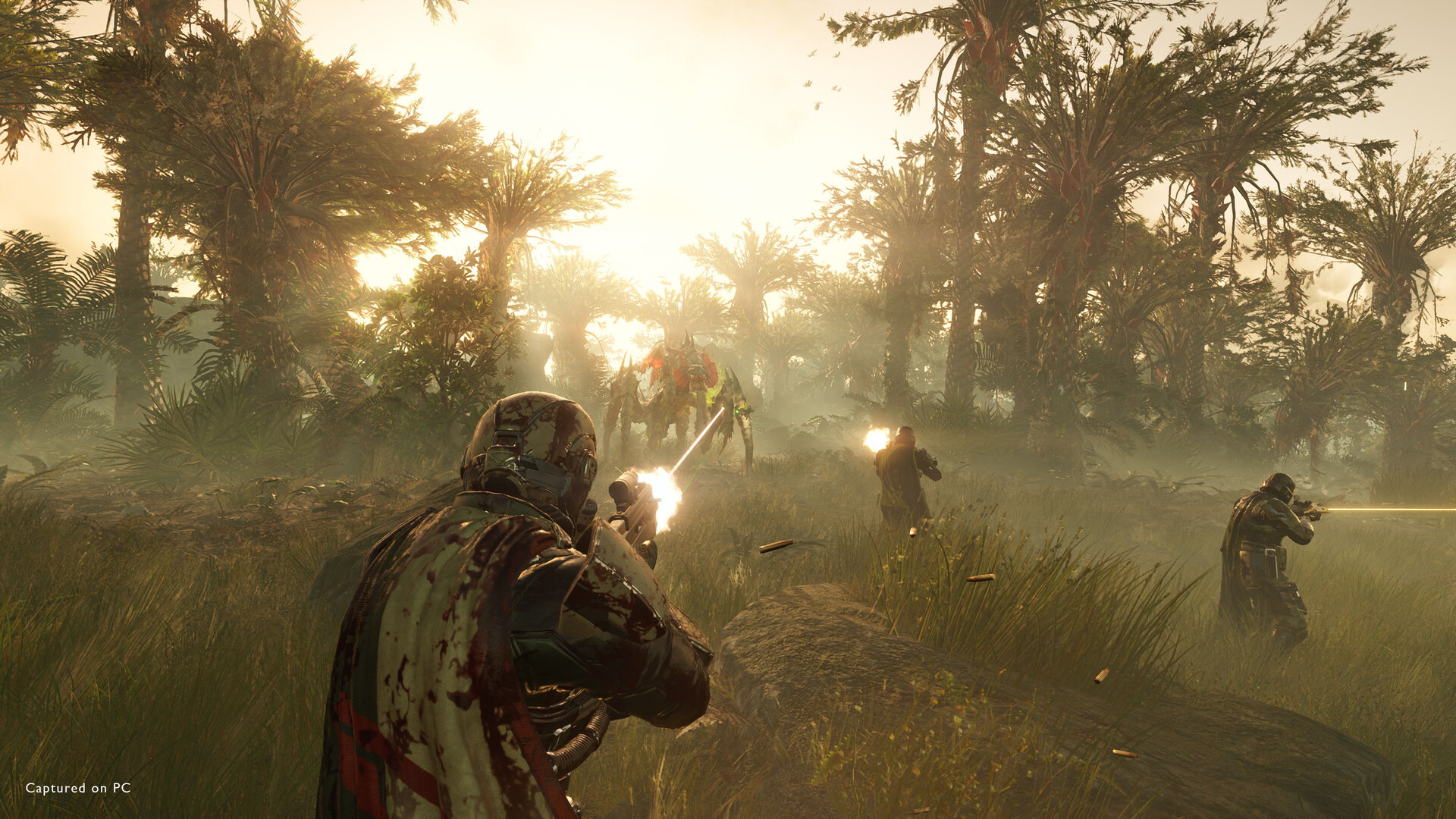
The first session should also teach you how to read the mission environment. In urban or defended objective scenarios, look for lines of approach, choke points, and safe retreat paths before you start shooting. Two or three moments are enough to learn the lesson: a terminid push down a narrow street, an automaton patrol locking down a control point, or a defensive objective that becomes impossible because everyone stacked on the same angle. Those examples all punish tunnel vision. The fix is simple but important: move with intent, cover space rather than stacking, and call out where you want the team to hold.
You should also spend the first hour testing your comfort with death and recovery. Helldivers 2 is not a “never die” game; it is a “recover fast and keep the mission alive” game. The right habit is to reinforce quickly, reclaim dropped equipment if the area is safe, and rejoin the objective without turning a small setback into a chain reaction. New players often waste the entire first hour trying to play perfectly. That is the wrong lesson. The real objective is to learn how to stabilize a bad fight, because that is what makes you useful in New Heart of Democracy missions later.
A sensible first-hour goal is to leave with one clear build concept. For example, you might decide you prefer a rifle and defensive turrets, or a shotgun and anti-armor support, or a more mobile role with airstrikes and quick repositioning. You do not need to finalize a “main” this early, but you do need one setup that feels reliable enough to bring into tougher operations. That is the foundation for the rest of the beginner phase.
You might also like
- Helldivers 2 Reviewed by Game878Helldivers 2Read Full Review Story5Gameplay9Visuals9Audio8Value forMoney8 Beginner Guide
- Helldivers 2 How to Destroy Fuel Silos and Stockpiled Ammunition
- Helldivers 2 How to Fix Stuck in Drop Pod Bug
- Helldivers 2 Battle Pass Guide: How to Progress Warbonds
- Helldivers 2 All You Need To Know: Beginner Guide
Resource Priority Order
Your resource priority order should favor permanent account power, mission reliability, and early flexibility over cosmetic or niche purchases. In Helldivers 2, the value of a resource is not just what it buys, but how quickly it improves your ability to complete missions without depending on perfect team coordination. That matters a lot in Helldivers 2 New Heart of Democracy Missions, where early survivability and utility are far more useful than narrow damage spikes.
A practical priority order looks like this:
| Priority | What to Spend On | Why It Comes First | Beginner Example |
|---|---|---|---|
| 1 | Core stratagems and survivability upgrades | They reduce mission failure and make every loadout more reliable | Reinforce-friendly tools, resupply support, defensive calls |
| 2 | Ship modules that improve common stratagem use | They strengthen the whole account, not just one mission | Better cooldowns, stronger deployments, broader utility |
| 3 | Warbond unlocks that solve real problems | They expand your options once basics are covered | Better armor traits, stronger primaries, useful utility |
| 4 | Cosmetics and niche sidegrades | They matter least when you are still learning mission flow | Visual unlocks, situational weapons, novelty items |
The reason this order works is simple: beginners lose more missions to poor survivability and poor pacing than to a lack of pure damage. If you can stay alive longer, reinforce faster, and keep objective pressure steady, your win rate climbs even before your aim improves. That is why ship upgrades and broadly useful stratagems are better than chasing the newest shiny weapon the moment you can afford it. A player running a stable support kit will usually contribute more than a player with a fancy unlock they do not yet understand.
You should also hoard resources when you do not yet know what problem they are solving. That applies especially to rare or progression-gated currencies. Spend only when you can point to a concrete improvement: “this upgrade makes my resupply safer,” “this module helps my orbital call-in timing,” or “this warbond item fills a gap in anti-armor or crowd control.” If you cannot name the problem, do not spend yet.
There is one important exception: if a purchase makes your core play loop easier to repeat, it is usually worth it sooner. Examples include a support weapon that fits your mission role, armor traits that help your positioning, or a module that improves a stratagem you use every match. In the current meta, flexibility tends to outperform specialization for new players. That is especially true in defense-heavy operations, where you need options for crowds, armor, and sudden objective collapses rather than a single perfect damage answer.
If you want a rule of thumb, spend first on anything that makes mistakes less expensive. Save for anything that only makes a good run faster. That distinction is one of the fastest ways to avoid wasting progression in the beginner phase.
Common Mistakes
Common beginner mistakes in Helldivers 2 New Heart of Democracy Missions usually come from treating the game like a normal shooter instead of a squad survival objective game. The good news is that each one has a direct fix, and most of them can be corrected immediately once you notice the pattern.
Standing still after calling a stratagem
Players do this because they want to protect the call-in point or watch the result land. The fix is to throw and move unless the terrain is already secure; a few steps of repositioning often prevent deaths from explosives, enemy pressure, or ally crossfire.Chasing kills instead of clearing the objective lane
New players often assume more kills means better performance. The fix is to identify what blocks progress and remove only that threat, such as a Charger on an approach, a patrol near an interaction point, or an automaton turret controlling the route.Calling resupply too late
This happens when the squad waits until everybody is dry, then tries to panic-manage the situation. The fix is to call resupply early, especially before the team starts a long objective or a forced hold.Clumping on the same angle
People bunch up because it feels safer and makes coordination easier. The fix is to spread into overlapping lanes, which lets you cover more space and reduces the chance that one explosive or breach wipes the whole team.Ignoring dropped support weapons and backpacks
Beginners often forget to recover gear after a death because they are focused on the nearest enemy. The fix is to mark the dropped location, clear a safe path, and recover the item before pushing forward again if the objective allows it.Saving stratagems for a “better moment” that never comes
Many players hold their strongest tools too long. The fix is to use the tool when it solves an actual problem, such as a reinforced push, a defensive hold, or a wave that would otherwise consume reinforcements.
These mistakes show up in very specific situations. A defense objective on a narrow street punishes clumping. A mixed enemy wave punishes kill-chasing. A bot-heavy lane punishes delayed anti-armor use. The workaround is not complicated, but it does require discipline: act on the mission state, not on the impulse to be busy. The more you learn to do that, the faster you stop feeling like the weakest person on the team.
Pro Tips
Advanced beginner tips for Helldivers 2 New Heart of Democracy Missions focus on making your actions more deliberate and your mistakes less expensive. These are not flashy tricks; they are habits that create better mission outcomes over time.
Tip 1. Throw support tools before the fight fully starts
If you know a defense or extraction-style hold is coming, drop resupply, turrets, or other setup stratagems before the pressure spikes. That gives your squad time to settle into position instead of scrambling under fire.
Tip 2. Treat elevation and cover as mission tools
When the map offers a rooftop, barrier, ridge, or vehicle wreck, use it to control line of sight rather than just as a place to stand. Against automaton lanes or mixed patrols, one good angle often does more than extra firepower.
Tip 3. Keep one answer for armor and one for crowds
A beginner loadout becomes much more stable when it can handle both a heavy target and a swarm. For example, pairing a primary that handles light enemies with a support or stratagem option for armored targets prevents dead zones in your kit.
Tip 4. Reinforce where the objective is, not where the death happened
The place where someone died is often the worst place to re-enter the fight. The better trigger is the objective state: reinforce where the squad can immediately recover the lane, interaction point, or extraction perimeter.
Tip 5. Use retreat as a reset, not a failure
If a fight has gone noisy, falling back a short distance can restore control. A brief retreat that lets the team reload, resupply, and re-angle is usually better than dying in place while trying to be heroic.
Tip 6. Learn the sound and timing of your own loadout
You should know what happens when your stratagem is in flight, when your support weapon is reloaded, and when your defensive tool is ready again. That timing matters in chaotic missions because it tells you whether you can hold or need to move now.
These tips matter because they turn missions from reactive chaos into manageable sequences. The strongest beginner improvement usually comes from reducing wasted motion and increasing mission awareness, not from chasing a harder difficulty number too early.
Graduation Threshold
You are out of the beginner phase when you can consistently contribute to mission success without relying on rescue from more experienced players. That threshold is not about level alone, and it is not about having the rarest gear. It is about whether your decisions are stable under pressure, especially in Helldivers 2 New Heart of Democracy Missions where the pace can flip suddenly from controlled to desperate.
A good sign is that you can do all of the following reliably:
- Read the objective and move toward it without wandering into unnecessary fights.
- Manage ammo, resupply, and support cooldowns before they become emergencies.
- Avoid repeated friendly-fire incidents with stratagems, grenades, or support weapons.
- Recover after a death without causing the squad to lose momentum.
- Bring at least one loadout that solves armor, crowds, and objective pressure in a predictable way.
Another sign is how you react to mission failure. Beginners usually treat failure as proof they need “better gear.” Past the beginner phase, you understand that most wipes come from bad spacing, poor timing, or holding the wrong position at the wrong moment. When you start correcting those causes instead of just swapping weapons, you are past the initial learning wall.
You can also use mission variety as a test. If you can enter different mission types and still adapt quickly, you are no longer dependent on a single comfort pattern. For example, if you can handle a defense-heavy hold, a mobile objective push, and a chaotic extraction without changing your entire mindset, you have crossed into the next stage of play. That does not mean you know everything; it means you can learn from the mission instead of being overwhelmed by it.
A final practical marker is confidence with tools, not just guns. If you know when to deploy a turret, when to save an airstrike, when to call resupply, and when to simply move, you have reached a much more durable level of competence. At that point, the game stops feeling like a wall and starts feeling like a system you can navigate.
Related Guides
These are the next articles that naturally follow this beginner guide and help you build a stronger account and cleaner mission results.
- helldivers 2 available tips Helldivers 2 best early-game stratagems
- related guide Helldivers 2 beginner loadouts for solo queue
- a new enemy faction Helldivers 2 mission types and objectives explained
- related guide Helldivers 2 best armor and perk choices
- legendary warbond release date Helldivers 2 difficulty progression guide
- related guide Helldivers 2 support weapon tier list
- 03 prototype 3 armor Helldivers 2 extraction and reinforcement guide
Sources
- https://store.steampowered.com/app/553850/
- https://en.wikipedia.org/wiki/Helldivers_2
- https://store.steampowered.com/app/553850/
- https://howlongtobeat.com/?q=helldivers2
- https://www.metacritic.com/game/helldivers-2
- https://store.steampowered.com/app/553850/
- https://steamcommunity.com/stats/553850/achievements
- https://steamspy.com/app/553850/
- https://www.protondb.com/app/553850
See also
- Helldivers 2 Beginner Guide: Smart First Steps, Resources, and Common Mistakes
- Helldivers 2 How to Use the Safe and Unsafe Railgun Modes
- Helldivers 2 Former President of Super Earth Beginner Guide
- Helldivers 2 How to Get and Use the Anti-Materiel Rifle
- Helldivers 2 Advanced Combat Tips and Tricks for Beginners
- Helldivers 2 Beginner Guide
- Helldivers 2 Beginner Guide: Start Strong on Super Earth
- Helldivers 2 Beginner Guide: Xbox Launch and ODST Warbond Release Time
- Helldivers 2 How to Defeat Scout Striders
- Helldivers 2 Best Ship Modules to Unlock: Beginner Guide
Screenshots

Reviewed by
HD2 Guides Editorial
Expertise: Editorial team behind HD2 Guides. Content is compiled from official patch notes, community wikis, and playthrough notes, then reviewed and updated on schedule.
Sources
Helldivers 2 Missions Guides →
Browse the complete missions collection and its focused guides.
Related Guides
🔥 Popular Guides
Helldivers 2 helldivers 2 warhammer 40k collaboration update Patch Notes Explained
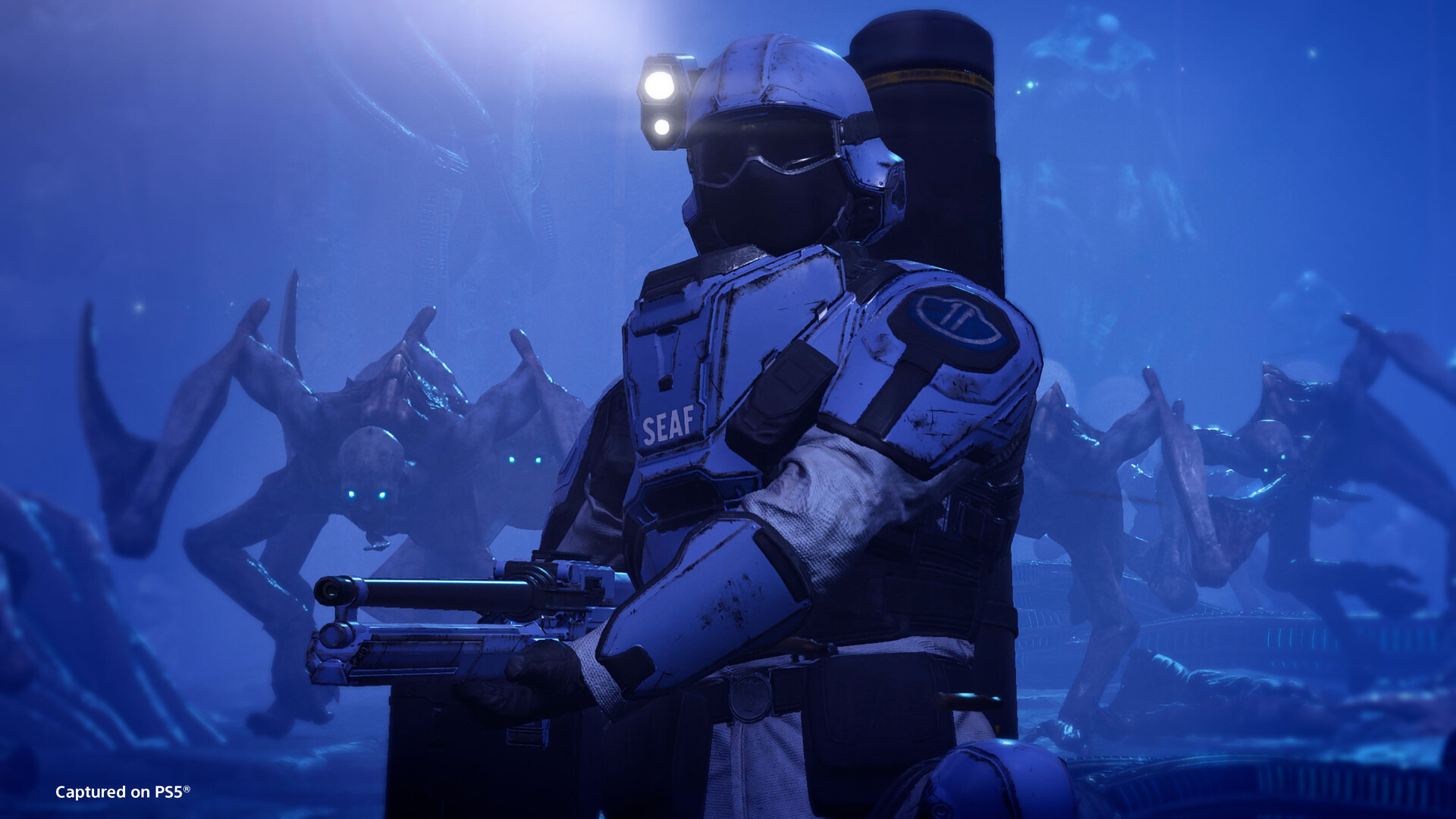
Helldivers 2’s Warhammer 40K crossover adds Castellan’s Creed, new weapons, armor, enemies, missions, SEAF allies, and more.
Helldivers 2 super helldive achievement guide
Achievement guide for Helldivers 2 covering rare trophies, hidden requirements, missable timing, and a full Super Helldive completion route.
HELLDIVERS™ 2 all achievements: complete achievements guide
Full Helldivers 2 achievements guide with rarest trophies, hidden unlocks, missables, and a 100% completion route.
Helldivers 2 patch notes 7.0.2: What changed in the Void update era
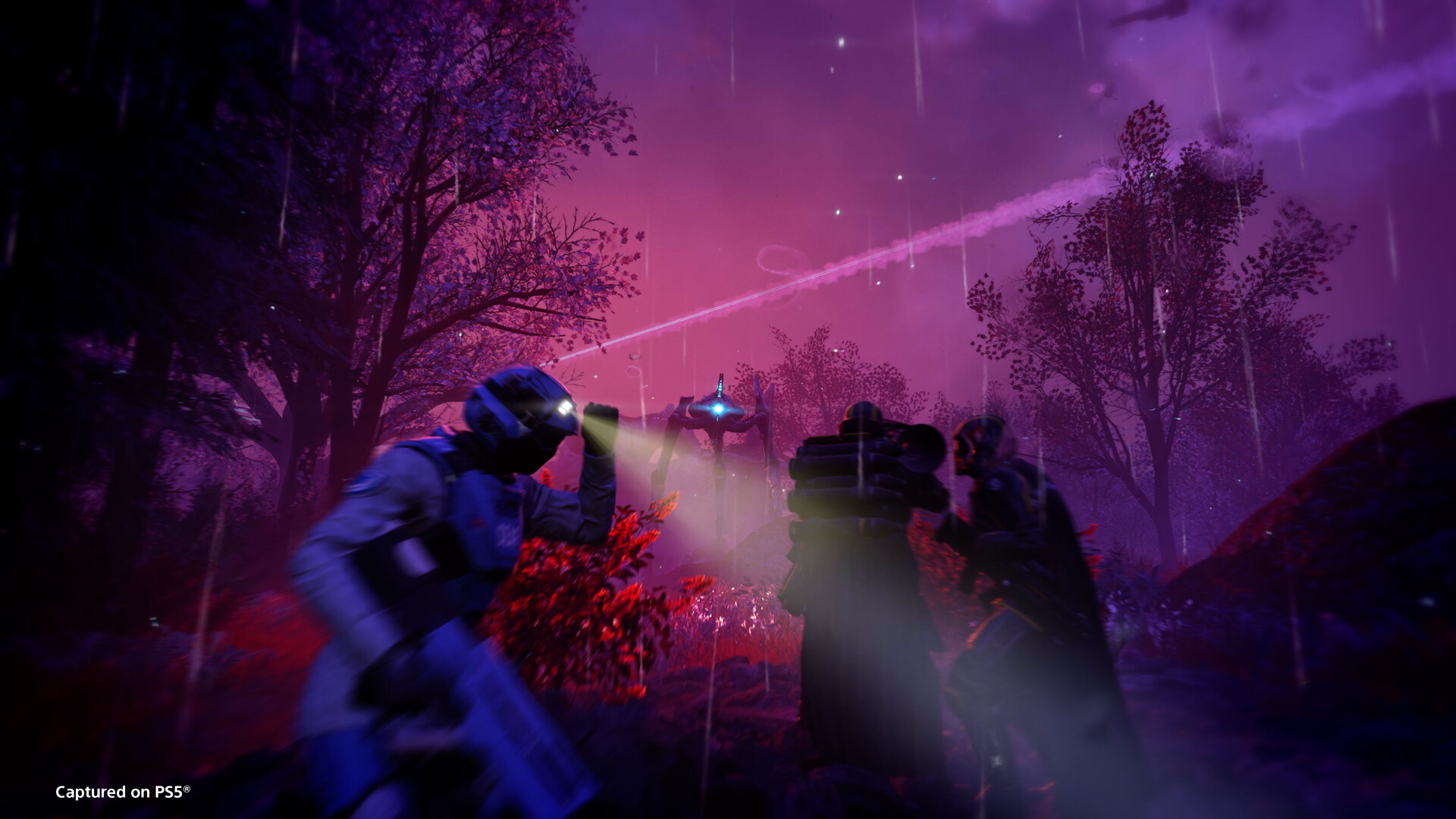
What changed in Helldivers 2 patch notes 7.0.2, including new Illuminate threats, SEAF support, the level cap increase, and squad action items.
📋 Patch Notes & Updates
🛠️ Popular Tools
Was this guide helpful?
Rate this guide so we can improve it.
Share your own tip
Found something not in the guide? Submit it below — our editors review every tip before publishing. No account required.