 Helldivers 2
Helldivers 2 weapon tier list
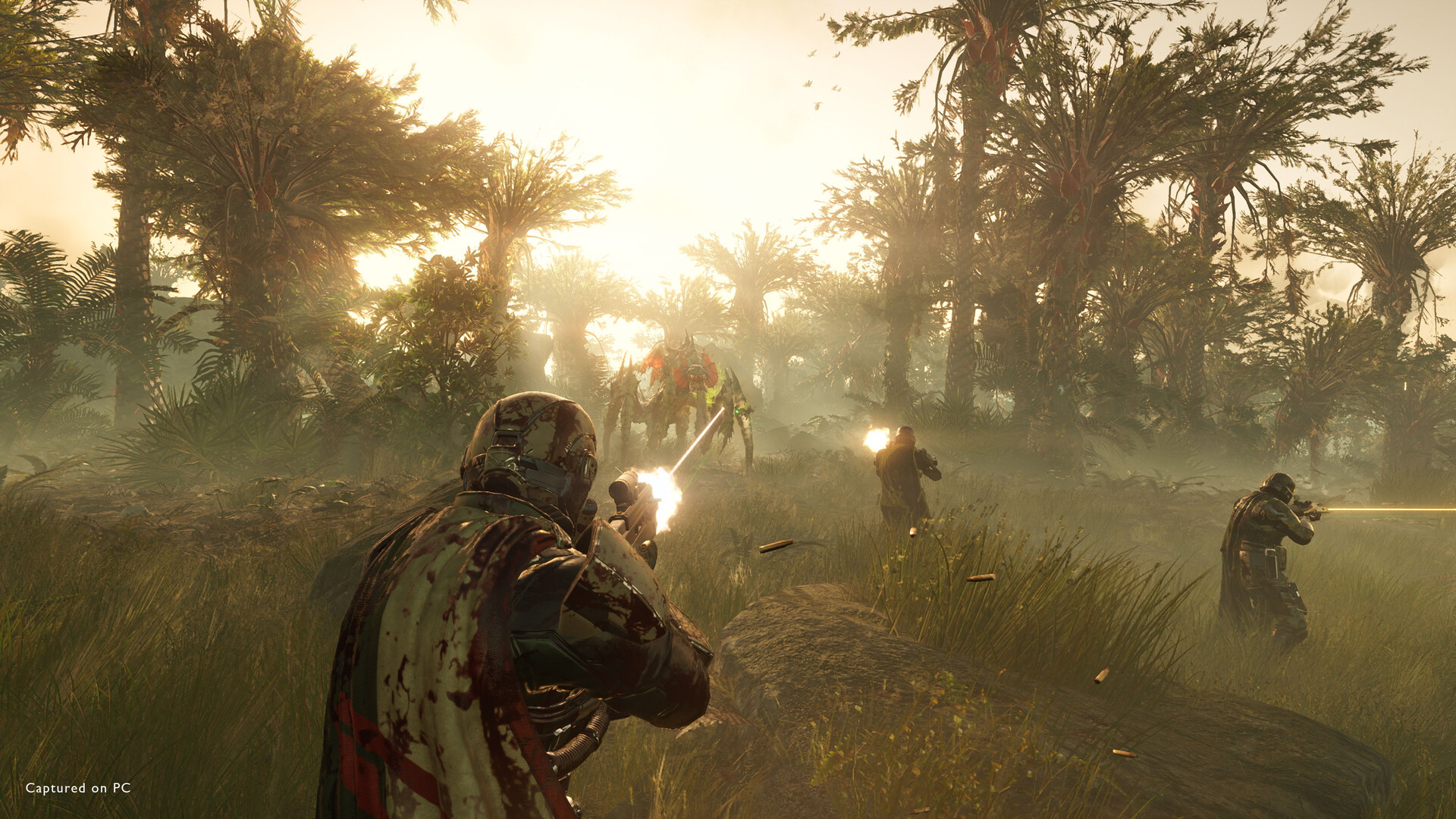
Quick Answer: The best Helldivers 2 weapons are the ones that match enemy armor, range, and ammo economy; in the current meta, versatile primaries that handle medium targets and keep pressure on swarms usually rank highest.
Ranking Methodology
This helldivers 2 weapon tier list is built for players who want a practical loadout guide rather than a theoretical weapon spreadsheet. The focus is on primary weapons in real missions, with special attention to how each gun performs against Terminids, Automatons, and Illuminate-style threats where range, stagger, armor handling, and ammo economy matter most. The list is not limited to raw damage. In Helldivers 2, a weapon can feel powerful on paper but still be awkward if it cannot control space, clear chaff efficiently, or stay useful when objectives force constant repositioning.
The ranking uses two grounding points. First, Arrowhead’s primary-weapon ecosystem and patch-sensitive balance context matter because primary weapons are one of the key tools you select before a mission, and they are directly affected by hotfixes and broader balance passes. The current discussion around version 01.002.203 being effectively a hotfix with smaller additions is a useful reminder that primary weapon value can shift without a full overhaul Source. Second, the game’s broader performance and player base show that this is a heavily played co-op shooter with long-tail interest, which makes stable, mission-ready recommendations more useful than niche, build-crafting extremes. Steam currently shows 75.1% positive reviews across 1150564 reviews Source, while Metacritic lists an 82/100 critic score across 69 professional reviews Source. Those numbers do not decide weapon strength, but they do support the idea that the game is active enough for a live meta to matter.
Who this list is for: solo players, duo squads, and full teams who want a dependable primary weapon for difficulty climbing, objective clearing, and pub-matching without relying on perfect squad coordination. If you are trying to optimize one gun for every faction, you will see why some weapons sit in S tier because they remain strong almost everywhere, while others rise only when a specific enemy profile appears. If you want broader build context, pair this with a tier list armor on the best support weapons and a related guide on armor and stamina synergy.
S / A / B Tier Table
The table below ranks primaries by overall mission value, not by personal preference. “Why” is kept short here so the tier logic stays readable, and the sections after the table explain faction flips and special cases in more detail.
| Tier | Weapon | Why |
|---|---|---|
| S | SG-225 Breaker | Deletes close-range swarms quickly and stays reliable when fights collapse into chaos. |
| S | Sickle | Excellent sustained fire and flexible at many engagement ranges with strong ammo comfort. |
| S | Scorcher | Strong explosive pressure for medium targets and dangerous clustered enemies, especially when you can aim cleanly. |
| A | Punisher | Reliable stopping power and stagger make it a dependable control weapon in messy fights. |
| A | Dominator | Heavy-hitting shots punish tougher enemies and reward patient aim with strong control. |
| A | Defender | Stable, versatile, and forgiving enough to support mobile play and objective movement. |
| A | Incendiary Breaker | Very strong against swarms and panic situations, especially when area denial matters. |
| B | Liberator | Balanced and easy to use, but outclassed by more specialized primaries in the current meta. |
| B | SMG-37 Defender | Good handling and mobility, but its overall kill speed is more situational than top-tier picks. |
| B | Adjudicator | Useful punch, but its recoil and handling demands make it less universally efficient. |
S Tier Picks
S tier weapons are the primaries that stay relevant across most mission types and difficulty bands. The SG-225 Breaker remains a classic answer to close-in Terminid pressure because it wins when enemies are already in your face. The Sickle is valued for sustained output and comfortable ammo behavior, which matters in long objective chains where you cannot afford to waste resupplies. The Scorcher earns its place by giving you explosive leverage against compact groups and medium enemies that otherwise soak too much ammunition from light weapons.
These weapons also handle the practical reality of Helldivers 2 better than “high DPS” descriptions suggest. Missions are messy. You get interrupted by patrols, drops, bug breaches, fog, objectives, and ragdoll pressure. S-tier primaries are the guns that still perform when the ideal firing lane disappears. The Breaker is brutal in short-range emergencies, the Sickle keeps pressure on targets without feeling starved, and the Scorcher rewards disciplined shots that can delete problems before they snowball. If a weapon can solve multiple problems without asking for a narrow setup, it belongs here.
A Tier Picks
A tier is where weapons become faction-dependent stars. The Punisher is dependable because stagger has real value in a game where even small enemies can disrupt your positioning. The Dominator is a heavier weapon in feel and consequence, but it rewards accuracy by cracking tougher targets more efficiently than general-purpose options. The Defender sits high because movement-friendly handling matters in real missions, especially when you are backing up teammates or kiting around an objective. The Incendiary Breaker is a strong answer to swarms, but it can feel less universal than the standard Breaker because its best value appears when you can shape enemy movement rather than simply burst down a target immediately.
A tier guns are the ones many experienced players main for a specific reason. They may not be as broadly dominant as S-tier picks, but they often outperform them in the right hands or against the right enemy profile. The Punisher and Dominator, in particular, are good examples of weapons that change their value based on whether you need control, burst, or armored target punishment. If your squad already covers one role, an A-tier weapon can be the smarter personal pick because it fills a gap instead of duplicating a teammate’s job.
B Tier Picks
B tier does not mean bad. It means the weapon is usable, but the current meta offers better efficiency, stronger utility, or more forgiving performance elsewhere. The Liberator is still the standard baseline: easy to learn, flexible, and serviceable in almost any context. The SMG-37 Defender gives you mobility and control, which is valuable when objectives demand movement, but it usually loses out to more efficient primaries if you want to maximize kill speed. The Adjudicator has a more pronounced role as a punchy rifle, yet it asks more from the player in recoil control and target selection than the top weapons do.
B tier weapons often become better for newer players, specific controllers, or narrower team setups. If you are still learning enemy telegraphs and ammo discipline, the Liberator’s familiarity is useful. If you are playing aggressively around cover and moving constantly, the Defender can feel smoother than a heavier rifle. The key point is that these weapons are serviceable rather than standout. They work, but they usually need a reason to be chosen over the more reliable options in S and A.
You might also like
- Helldivers 2 Build for Illuminate: Best Loadout, Roles, and Counters
- Helldivers 2 update release date: Patch Notes Explained for Arrowhead’s anti-cheat and quality-of-life push
- Helldivers 2 update patch notes Explained: Arrowhead’s anti-cheat push and what it means for players
- Helldivers 2 update trailer Patch Notes Explained: anti-cheat focus, what changed, and what players should do next
- Helldivers 2 Build Guide: Best Anti-Armor Support Build
Best Weapons by Faction
Faction context changes ranking in Helldivers 2 because the same gun can feel dominant against one enemy set and merely average against another. This is the most important practical layer of any helldivers 2 weapon tier list. A player who only looks at universal tier placement can miss why a weapon feels incredible in one mission and disappointing in the next. The game’s enemy families ask for different answers: swarm cleanup against Terminids, precision and armor break potential against Automatons, and adaptable mid-range control where Illuminate-style threats force you to respect positioning and visibility.
| Faction | Best Primary Picks | Why They Rise |
|---|---|---|
| Terminids | SG-225 Breaker, Incendiary Breaker, Sickle | Fast swarm control, close-range safety, and good ammo rhythm are king against breaches. |
| Automatons | Scorcher, Dominator, Punisher | Medium-target pressure, stagger, and precision matter more than pure close-range burst. |
| Illuminate-style fights | Sickle, Scorcher, Defender | Flexible handling and consistent mid-range effectiveness help when enemies pressure sightlines and movement. |
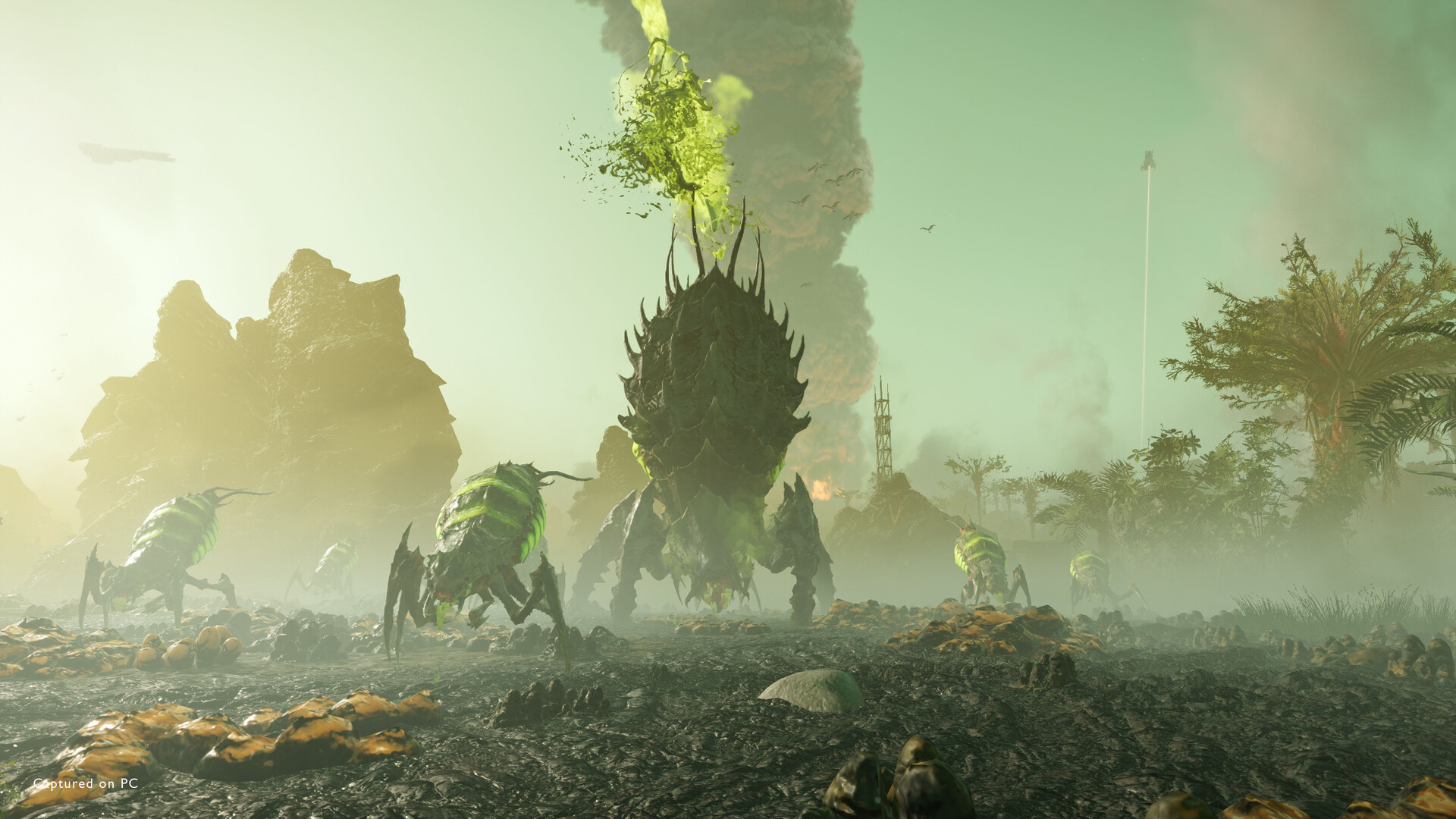
Against Terminids, short-range dominance is the main currency. Breaches and fast-moving swarms punish slow weapons more than inaccurate ones, so the Breaker and Incendiary Breaker naturally climb. The Sickle also performs well because sustained fire lets you keep pace without running dry too quickly. If your squad is already bringing a lot of explosives or crowd-control stratagems, a Sickle can be the cleaner pick because it preserves ammo while your support kit handles the larger piles of enemies.
Against Automatons, the ranking shifts toward stopping power and control. You want primaries that can answer medium threats, punish exposed weak points, and keep enemies from freely returning fire. The Scorcher’s explosive pressure is especially valuable here, while the Dominator can feel excellent when you are landing deliberate shots into tougher targets. The Punisher also rises because stagger interrupts enemy momentum, which can save you and your team when positioning breaks down.
Against Illuminate-style pressure, flexible weapons with good handling tend to rise because visibility, movement, and target prioritization become more important than all-in burst. The Sickle and Scorcher are strong examples because they remain useful while you are adapting to the fight, and the Defender can be surprisingly comfortable if you are playing mobile support. This is where “best weapon” often means “least annoying weapon under pressure,” not just highest theoretical output.
Matchup and Situational Callouts
These ranking flips matter because Helldivers 2 is not a static target dummy game. Enemy composition, terrain, and squad loadout all change what “best” means from mission to mission. A weapon that looks merely average in the main table may become the best choice in a specific scenario, and the opposite is also true. The most useful way to read the tier list is to treat it as a default hierarchy, then override it when the mission conditions change.
- If you are fighting dense Terminid swarms in close quarters, Incendiary Breaker can jump above the standard Breaker. Its area denial and panic control matter more when enemies are constantly funneling through tight spaces such as objective rooms, tunnels, or cramped terrain. The flip happens because you do not need maximum single-target efficiency as much as you need fast crowd management.
- If your squad already has strong anti-horde stratagems, the Sickle gains relative value. In teams running strong orbital or support-clearing tools, your primary can focus on consistency and ammo economy rather than doing everything itself. That makes a flexible, sustained-fire gun more valuable than a burst-heavy one that duplicates your team’s job.
- If Automaton missions are heavy on medium armor and ranged pressure, Scorcher and Dominator move up. The flip happens because those fights reward precision and target punishment more than pure spray control. A gun that handles tough bodies and supports careful peeking becomes more useful than a weapon that only excels when enemies are already adjacent.
- If you are playing solo or with unreliable random squads, forgiving weapons rise. The Punisher and Defender are better than their raw numbers suggest because stagger and handling reduce the punishment for mistakes. In coordinated teams, you can lean harder into specialized picks; in public matches, reliability is often worth more.
- If objectives require constant movement, the Defender and Sickle climb relative to heavier weapons. Mobility-heavy missions punish clunky reloads, slow aim transitions, and awkward handling. A weapon that lets you sprint, re-center, and keep contributing while repositioning can outperform a stronger but slower gun in actual mission success.
The practical lesson is simple: do not treat the tier letter as absolute. Helldivers 2 rewards adaptation. If you know the mission will be full of swarms, pick for control. If you know armor and ranged exchanges will dominate, pick for precision and punch. If you do not know what you are walking into, pick a weapon that stays useful when the situation gets messy.
Patch-Delta Note
The exact weapon movement versus the previous patch is not fully known from the provided data, so no precise rank change claims are made here. The grounded patch context available only says that version 01.002.203 is essentially a hotfix with some minor new additions, and that most weapons were buffed and nerfed in that patch Source. That means the safest interpretation is that the primary weapon meta is still sensitive to incremental balance changes, even when a patch does not read like a major expansion.
What that means for readers is straightforward. If you were using an older Helldivers 2 weapon tier list, expect small movements rather than a total reversal. S-tier weapons tend to stay near the top unless a specific nerf hits their core advantage, while mid-tier weapons can gain or lose value depending on ammo economy, recoil, stagger, or enemy interaction changes. The ranking here therefore emphasizes mission reliability and faction matchups more than hype around the newest adjustment.
There is also a practical reason to be conservative here. A patch can change how a weapon feels without changing its obvious identity. A gun may still be a crowd clearer, but become less forgiving; another may still hit hard, but lose enough comfort that players stop recommending it for general use. Because the available data does not identify specific weapon buffs or nerfs by name, the correct update note is to treat this tier list as current guidance rather than a hard claim that one exact rifle moved from B to A or from A to S.
Common Mistakes
Players usually lose value from their primary weapon by using it outside its job, not by choosing a “bad” gun. The fixes are mostly about discipline, mission awareness, and matching the rest of the loadout to the weapon’s actual role.
- Using a close-range shotgun as if it were a general-purpose rifle. Players fall into this because the Breaker feels strong everywhere early on. The fix is to stay honest about range and bring a secondary or stratagem plan for targets you cannot safely close on.
- Taking a precision weapon into swarm-heavy missions without backup crowd control. This happens when players chase damage numbers and ignore enemy density. The fix is to pair a precision primary with crowd-clearing stratagems or swap to a more forgiving primary like the Sickle.
- Overcommitting to one weapon role in a squad that already covers it. Many players repeat what they personally enjoy instead of what the team needs. The fix is to check whether your squad already has anti-horde, anti-armor, or objective control covered before locking your primary.
- Ignoring recoil and handling comfort. This mistake happens because raw stats look better than real combat behavior. The fix is to use a weapon you can keep on target while moving, especially on higher difficulties where missed shots matter more.
- Shooting everything with the primary instead of preserving ammo for meaningful targets. Players do this because the primary is always available and feels convenient. The fix is to let stratagems or support weapons handle the biggest cluster moments, then use the primary for efficient cleanup and precision work.
- Choosing a strong weapon that conflicts with personal aim habits. A hard-hitting gun can underperform if you cannot land the shots consistently. The fix is to prefer the weapon that you actually hit with under pressure, not the one that looks best in a vacuum.
These mistakes are common because Helldivers 2 is busy and reactive. Enemies push you, the map pushes you, and team chaos pushes you. The weapon that wins is often the one that stays usable when the fight stops being clean.
Pro Tips
The best Helldivers 2 players do not just pick strong guns; they use them in ways that preserve tempo, ammo, and positional control. These tips are about extracting more value from the same primary weapon.
Tip 1. Let stagger create the opening
Use the Punisher or Dominator when you expect a dangerous enemy to close distance, then fire early enough to interrupt the approach. The goal is not only damage. It is buying time for a reload, a retreat, or a stratagem call.
Tip 2. Pair your primary with a different problem solver
If you take the Breaker, make sure your support choice covers mid-range or armor pressure. If you take the Scorcher or Dominator, make sure your squad or secondary can help with swarms. Matching overlap is wasteful; matching gaps is efficient.
Tip 3. Save sustained-fire weapons for long engagements
The Sickle is most valuable when you stop thinking of each burst as a kill attempt and start thinking about target control across an entire fight. Use short, disciplined bursts on patrols and save longer pressure for breach-heavy moments.
Tip 4. Use mobility to decide between Defender and heavier rifles
If you are frequently crossing open ground, doing console work, or dragging enemies away from objectives, the Defender’s handling can outperform stronger but slower primaries. Take the gun that keeps you effective while moving, not just while planted.
Tip 5. Upgrade your target priority before your trigger discipline
Many players waste the primary on the first visible enemy. The better habit is to identify which target creates the most danger: shielded units, ranged attackers, or enemies that can interrupt your team. The right gun feels stronger when it is aimed at the right target.
Tip 6. Re-evaluate after every faction swap
A weapon that felt excellent against Terminids may feel merely acceptable against Automatons. Before the mission, check whether your primary is solving close pressure, mid-range threats, or cleanup. The best loadout is faction-specific more often than players admit.
Related Guides
- Helldivers 2 best support weapons
- Helldivers 2 best stratagems
- Helldivers 2 armor tier list
- Helldivers 2 best solo loadouts
- Helldivers 2 best Terminid builds
- Helldivers 2 best Automaton builds
- Helldivers 2 beginner guide
Sources
- https://deltiasgaming.com/best-primary-weapons-tier-list-helldivers-2/
- https://games.gg/helldivers-2/guides/helldivers-2-primary-weapons-tier-list/
- https://store.steampowered.com/app/553850/
- https://www.metacritic.com/game/helldivers-2
See also
- Helldivers 2 upcoming updates: Patch Notes Explained
- Helldivers 2 next update Explained: What Arrowhead’s latest patch changed
- Helldivers 2 update roadmap: Patch Notes Explained
- Helldivers 2 major update Explained: Anti-Cheat and Super Credits Changes
- Helldivers 2 Patch Notes Explained
- Helldivers 2 Tier List Warbond: Best Warbonds Ranked
- Helldivers 2 June Update Explained
- Helldivers 2 Beginner Guide: Situational Survival, Team Play, and Escape Basics
- Helldivers 2 Update Today: Patch Notes Explained
- Helldivers 2 Beginner Build Guide
Screenshots

Reviewed by
HD2 Guides Editorial
Expertise: Editorial team behind HD2 Guides. Content is compiled from official patch notes, community wikis, and playthrough notes, then reviewed and updated on schedule.
Sources
Helldivers 2 Stratagems Guides →
Browse the complete stratagems collection and its focused guides.
Related Guides
🔥 Popular Guides
Helldivers 2 Build Automaton: Best Loadout and Tactics
Build the best Helldivers 2 Automaton loadout with Erupter, Senator, Supply Pack, stratagem priorities, counters, and budget options.
Helldivers 2 Warbond Tier List
Helldivers 2 warbond tier list with S/A/B rankings, methodology, matchup notes, common mistakes, and pro tips for the current meta.
Helldivers 2 Tier List Secondary
Best Helldivers 2 secondary weapons ranked S/A/B with matchup notes, mistakes, pro tips, and current meta context.
Helldivers 2 Primary Weapon Tier List
Updated Helldivers 2 primary weapon tier list with S/A/B rankings, faction callouts, patch notes, and pro tips.
📋 Patch Notes & Updates
🛠️ Popular Tools
Was this guide helpful?
Rate this guide so we can improve it.
Share your own tip
Found something not in the guide? Submit it below — our editors review every tip before publishing. No account required.