 Helldivers 2
Helldivers 2 Last Great War Beginner Guide
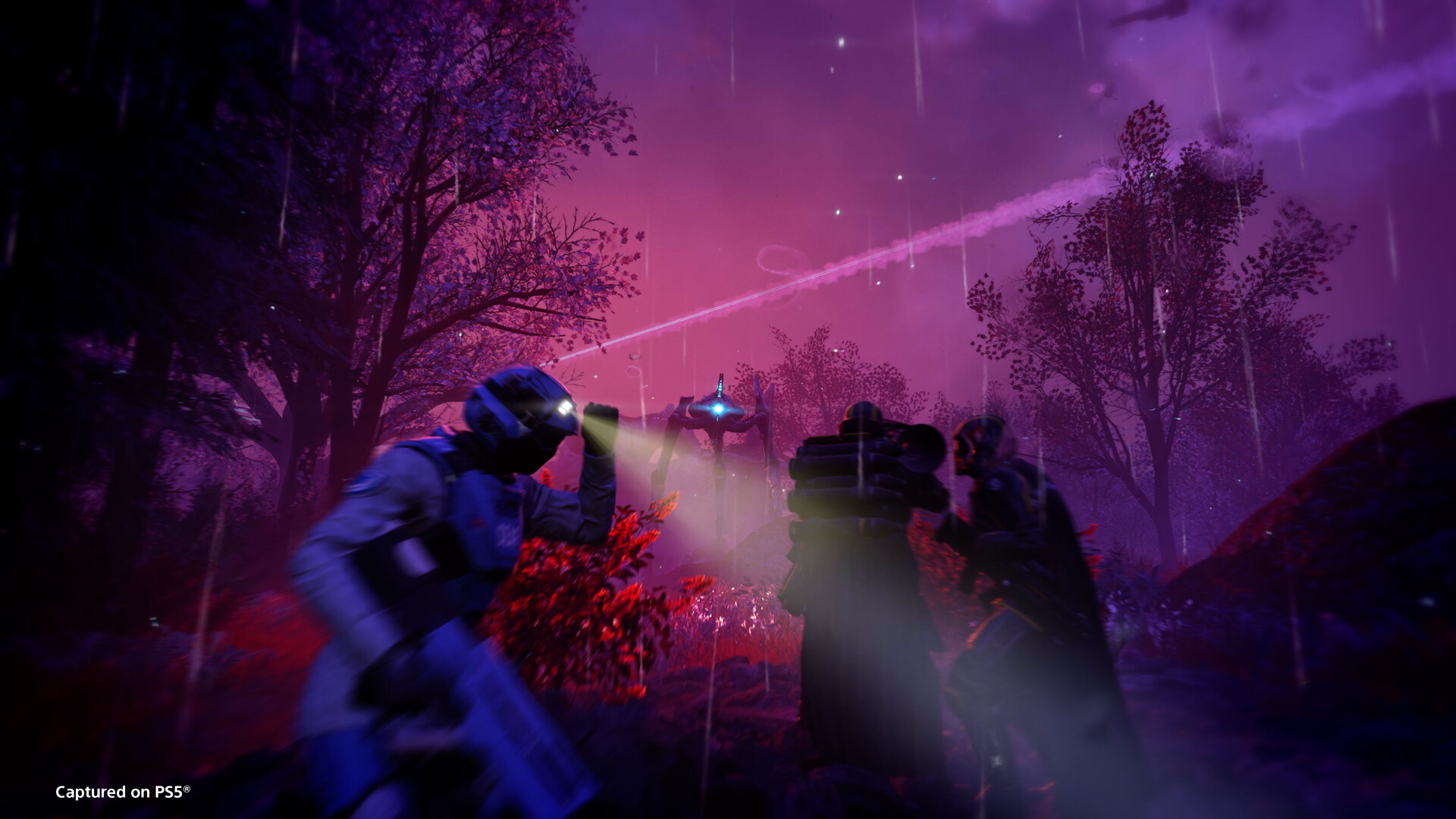
Quick Answer: Helldivers 2 Last Great War is a co-op third-person shooter where beginners should learn mission flow, spend early resources on survivability and core stratagems, and graduate once they can clear medium missions without repeated reinforcement losses.
What Helldivers 2 Actually Is
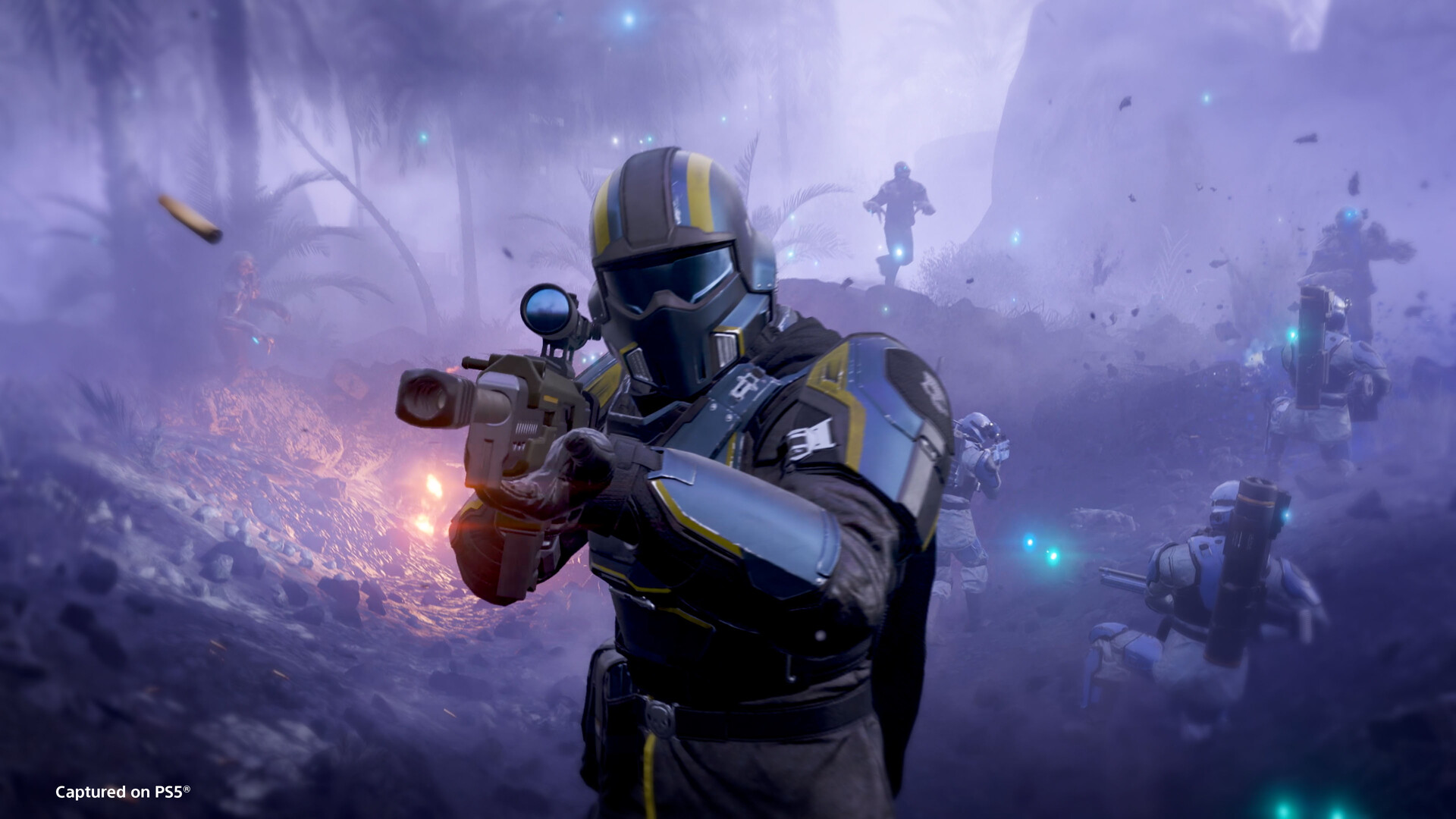
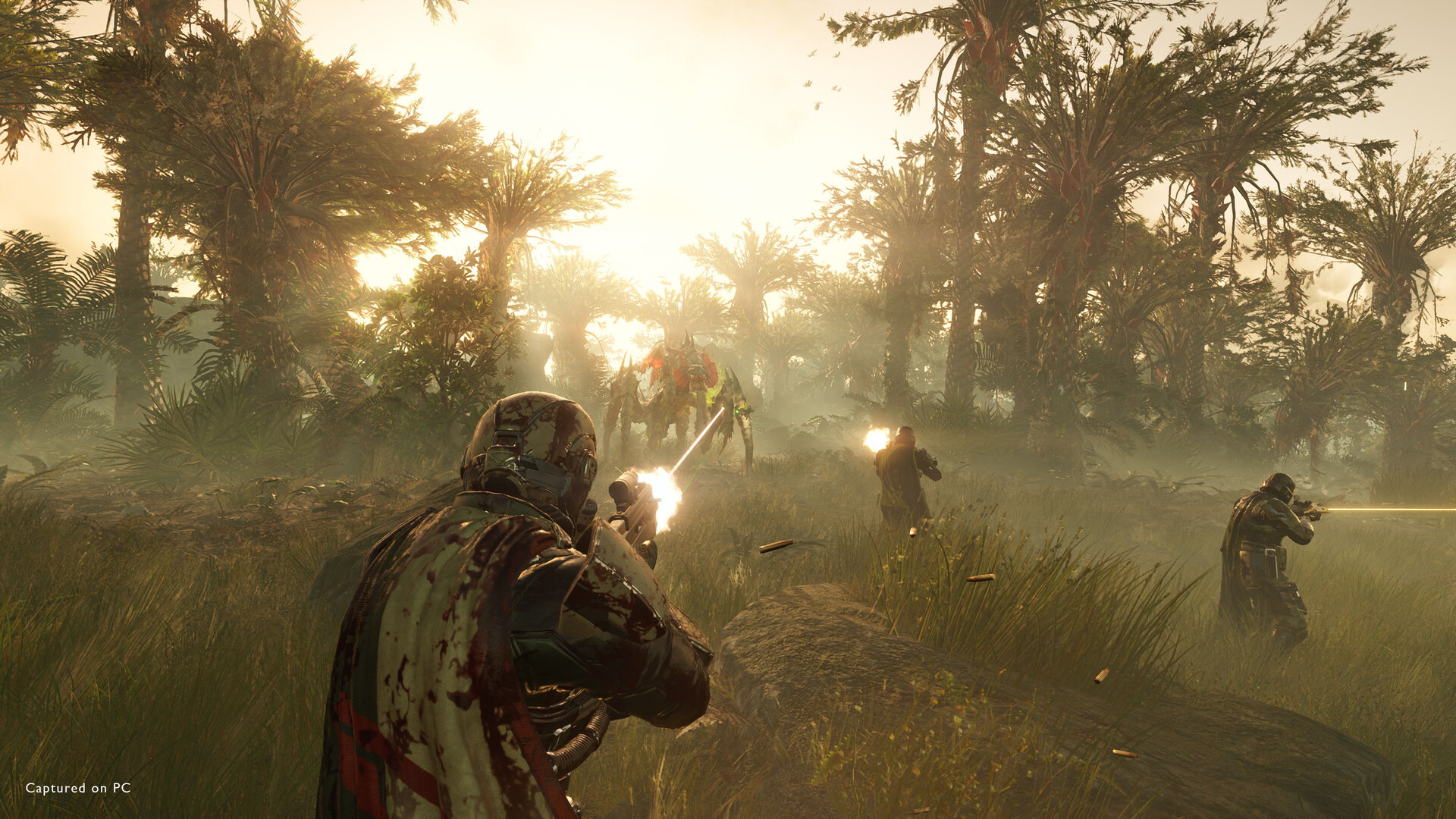
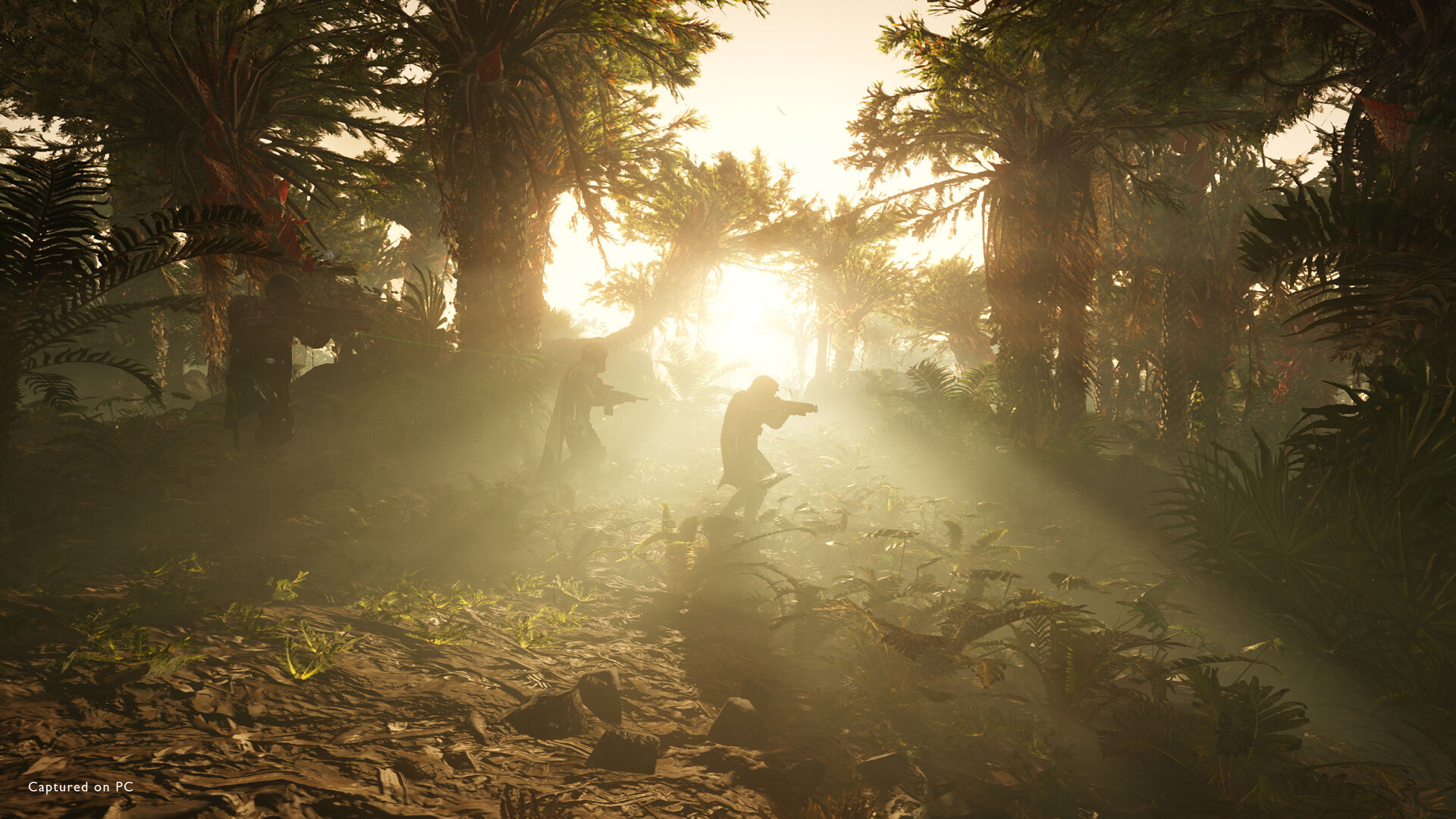
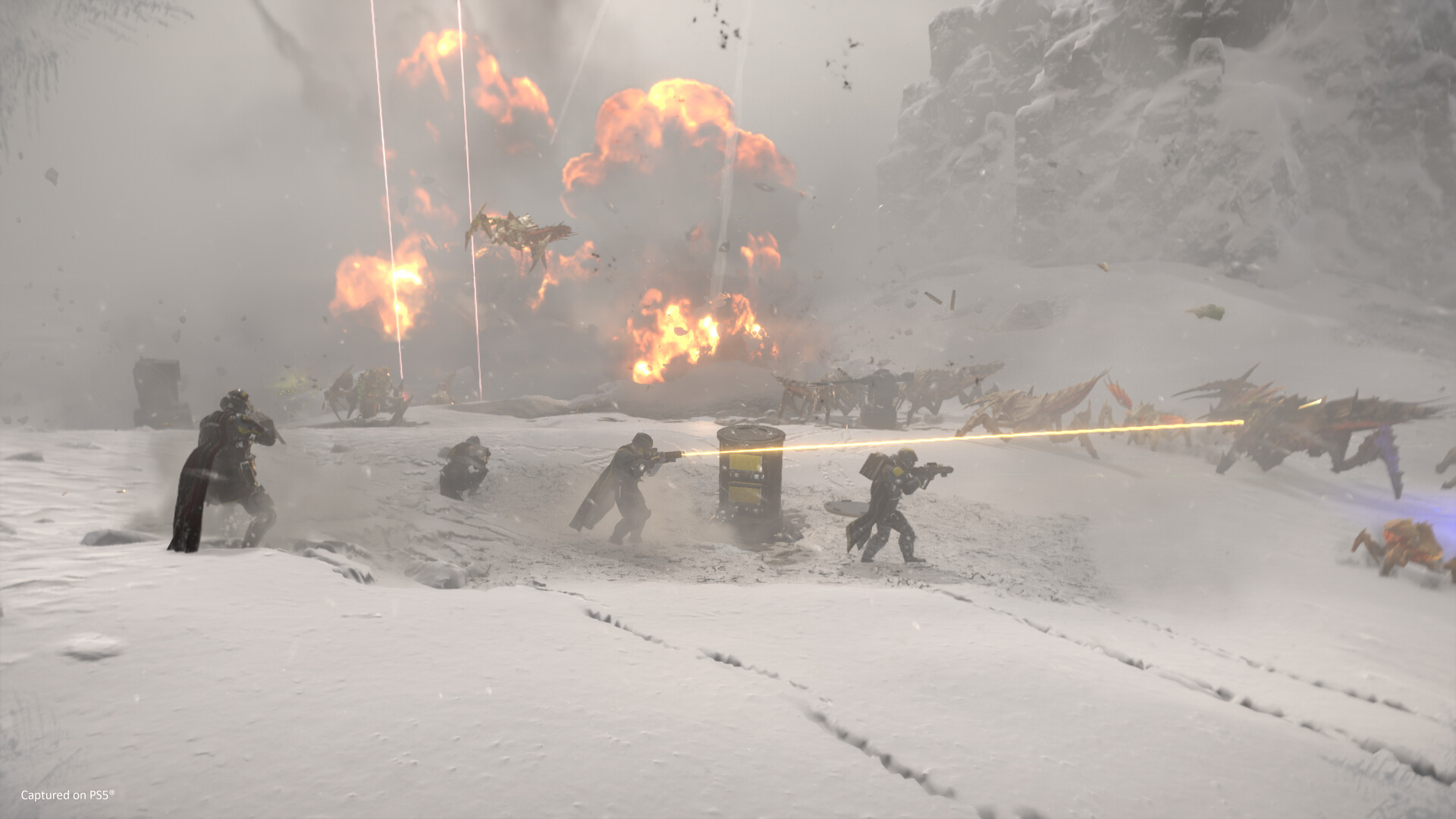
Helldivers 2 is a co-op third-person shooter about dropping into hostile planets, completing objectives, and extracting alive while the mission gets progressively more chaotic. The tone is military satire, but the moment-to-moment gameplay is very real: friendly fire is on, ammunition is limited, objectives can be overrun, and the team that communicates well usually survives the longest.
The premise matters because the “Helldivers 2 Last Great War” mindset is not about solo heroics; it is about understanding the war as a shared grind of mission wins, resource extraction, and war contribution. You are not just shooting enemies. You are learning how to move as a squad, when to disengage, and which tools are worth spending scarce currency on first.
A few hard facts help frame the scale of the game. Helldivers 2 is developed by Arrowhead Game Studios and published by Sony Interactive Entertainment, and it is a 2024 cooperative multiplayer third-person shooter set in the 22nd century Source. It currently has a Metacritic critic score of 82/100 across 69 professional reviews Source, and Steam’s official review summary reads “Mostly Positive” with 75.1% positive across 1151055 reviews Source. That combination tells you something important: the game is popular, polished in its core loop, but demanding in execution.
For beginners, the biggest mistake is treating Helldivers 2 like a standard cover shooter. It is closer to a coordination puzzle under pressure. Your goal in the early game is not perfect kill counts; it is learning the mission rhythm, staying alive, and unlocking the tools that make the next mission more stable.
First-Hour Checklist
Your first hour should be spent unlocking the basic loop, testing a few loadout options, and learning how to survive the most common mission disasters. The fastest way to get good in Helldivers 2 Last Great War is to stop thinking in terms of “what gun is best” and start thinking in terms of “what keeps the squad moving and extracting.”
1) Finish the tutorial and immediately test a low-risk mission
Start with the training sequence, then queue a low-difficulty operation as soon as you can. The point is not to farm; it is to learn how objectives, extraction, and reinforcement interact in live play. If you can complete a basic mission while calling in stratagems, you are already ahead of many fresh recruits.
Use this first mission to practice three things:
- Calling stratagems under pressure
- Watching your ammo and stims
- Reading enemy movement before you panic-fire
A good beginner example is a mission where you clear a small bug nest, then move to an extraction point. That gives you a compact lesson in map movement, objective pacing, and how quickly a small mistake can snowball into a full swarm.
2) Bind and memorize your core inputs
If you are on keyboard or controller, the most important early skill is not aim—it is muscle memory for stratagem inputs and pings. You want to be able to call resupply, reinforcement, and a simple offensive tool without staring at the prompt.
Prioritize:
- Reinforcement
- Resupply
- Your first reliable offensive stratagem
- Ping/mark communication
A beginner who knows how to summon a resupply pod and reinforce a dead teammate will contribute more than a better shot who freezes when the team collapses.
3) Try both enemy factions, if available to your mission selection
You should experience both Terminid-style pressure and Automatons-style ranged punishment as early as possible. Even if one side feels easier, the game’s learning curve becomes much smoother once you understand the difference.
Examples:
- Against swarming melee enemies, you learn spacing and area denial.
- Against gunline enemies, you learn cover, angle discipline, and target priority.
- Against elite threats, you learn not to tunnel vision on trash mobs.
The key lesson is that different factions punish different mistakes. If you only play one side, you will develop blind spots that hurt later.
4) Spend your first rewards on consistency, not novelty
When the first currencies start rolling in, do not chase flashy unlocks just because they sound powerful. Early power in Helldivers 2 comes from reliability: a weapon that handles common threats, a stratagem that solves emergencies, and ship upgrades that make your squad less fragile.
A solid early-hour goal is:
- Get one dependable primary
- Keep one anti-armor or crowd-control tool
- Avoid buying niche toys before you have a stable baseline
5) End the hour with one mission debrief
After your first few matches, pause and review what repeatedly went wrong. Did you die to your own explosives? Run out of ammo too early? Lose the objective because the team stayed in one place too long?
Write down the pattern:
- “I panic called airstrikes too close”
- “I never resupplied before emptying both magazines”
- “We split up and got overwhelmed”
That self-review is more valuable than chasing another random mission.
You might also like
- Helldivers 2 Available Platforms Updated 3/7/2024 See all the available platforms and consoles for Beginner Guide
- Helldivers 2 Why Now May Be the Perfect Time for a New Enemy Faction
- Helldivers 2 fan creates indoor dungeon mission concept: Beginner Guide
- Helldivers 2 Reviewed by Game878Helldivers 2Read Full Review Story5Gameplay9Visuals9Audio8Value forMoney8 Beginner Guide
- Helldivers 2 Pages using DynamicPageList3 parser function: Beginner Guide
Resource Priority Order
Your early spending should focus on tools that improve survival, squad stability, and mission success before luxury picks or highly specialized loadouts. In Helldivers 2 Last Great War, wasted resources feel expensive because the game rewards breadth of utility more than raw collection speed.
Early priority table
| Priority | What to spend on | Why it matters early | Good beginner examples |
|---|---|---|---|
| 1 | Core survivability and mission reliability | Keeps you alive long enough to learn | Stims, resupply discipline, dependable stratagems |
| 2 | Universal stratagems | Useful on multiple mission types | Airstrike-style damage, resupply, reinforcement |
| 3 | Ship module upgrades | Improve squad-wide value over time | Upgrades that strengthen cooldowns or output |
| 4 | Versatile weapon unlocks | Help in many encounters | Balanced primaries, mid-range support options |
| 5 | Cosmetic or niche picks | Low impact on progression | Style, situational weapons, experiment builds |
The reason this order works is simple: beginners do not lose missions because they lack one perfect weapon. They lose because they run out of ammo, get caught by elites, or fail to handle multiple threats at once. Spending first on consistency solves all three.
What to hoard
Hoard anything that is clearly a progression bottleneck:
- Super Credits if you do not yet know which Warbond path you want
- Medals until you can unlock a meaningful cluster of items
- Samples until you have a ship upgrade route worth committing to
- Requisition until you know which stratagems fit your playstyle
Do not spend small amounts just to make your inventory “look active.” Beginner progression is about unlocking enough flexibility to handle different missions, not unlocking every shiny thing as soon as it appears.
What to buy first, practically
If you are deciding between multiple upgrade paths, use this rule of thumb:
- Pick one loadout that can handle trash mobs and medium enemies
- Pick one stratagem that answers emergency armor or crowd surges
- Pick one upgrade track that improves the whole squad
For example, a player running a general-purpose rifle, a resupply tool, and a mid-tier explosive stratagem will usually contribute more consistently than someone who buys a highly specialized anti-elite setup before learning positioning.
The game’s scale also suggests patience. HowLongToBeat reports roughly 32.43 hours for the main story, 65.01 hours with extras, and 89.29 hours for completion Source. That is a long enough runway that disciplined resource management matters more than rushed experimentation.
What not to overvalue
Do not overvalue:
- The highest-damage option if it is hard to use
- Rare-looking gear you cannot support with upgrades
- Build concepts that only work in perfect squad coordination
Beginners often confuse “strong in a vacuum” with “strong for me right now.” In Helldivers 2, a tool is only good if you can use it under pressure while the screen is full of enemies, explosions, and teammates shouting for reinforcement.
Common Mistakes
The most common beginner mistakes in Helldivers 2 Last Great War come from rushing, overcommitting, or treating the game like a solo shooter. Fixing these early saves a lot of frustration.
Mistake 1: Fighting every enemy pack instead of moving with purpose
New players often stop to clear every patrol because it feels safer, but that usually increases threat density.
- Why it happens: The game visually encourages you to “solve” every enemy cluster.
- Fix: Clear only what blocks the objective, then move. If the objective is complete, disengage unless extraction is already secured.
Mistake 2: Calling stratagems too close to the squad
Orbitals, airstrikes, and support drops are powerful, but beginners often drop them on top of moving allies.
- Why it happens: Panic and poor spacing.
- Fix: Announce your callout, throw from a safer angle, and learn where your team is before you press the input. A badly placed strike often costs more than the enemies it kills.
Mistake 3: Ignoring resupply timing
Many beginners fire until empty, then look for ammo only after the fight turns bad.
- Why it happens: The game does not punish this instantly, so the bad habit survives for a while.
- Fix: Resupply before you are desperate. If you are below comfortable ammo thresholds and the squad is between fights, refill early.
Mistake 4: Splitting from the team to “solve” a side objective alone
A solo detour can work in controlled cases, but beginners usually get isolated and overwhelmed.
- Why it happens: Side objectives look small and manageable.
- Fix: Only peel off if the team can cover the main lane or if you know the route is safe. If unsure, stay grouped and let the squad decide who rotates.
Mistake 5: Bringing a loadout that cannot answer armor, swarms, and emergencies
A beginner sometimes stacks similar tools, then discovers they have no answer to one threat class.
- Why it happens: The game’s stratagem list is tempting and varied.
- Fix: Build a balanced loadout with one answer to swarms, one answer to elites or armor, and one support/utility tool.
Mistake 6: Ignoring positioning because “friendly fire is part of the fun”
Friendly fire is not a joke when a teammate’s death deletes the objective run.
- Why it happens: The game’s chaos makes accidents feel inevitable.
- Fix: Practice spacing. If a teammate is firing heavy ordnance, move, even if the enemies are still alive.
Mistake 7: Extracting too early without checking mission state
Sometimes players sprint to extraction before the team is ready or before the map is stabilized.
- Why it happens: Extraction feels like the finish line.
- Fix: Treat extraction like the last objective. Clear the area, regroup, refill if possible, and only then commit.
Pro Tips
These advanced tips help once you already know the basics, and they are especially valuable in Helldivers 2 Last Great War because they turn small habits into large consistency gains.
Tip 1. Use retreat as a combat tool
If a patrol chain escalates into a full swarm, do not stand and “win” the fight by force. Break line of sight, reposition, and re-engage only if the objective requires it. A smart retreat is often better than a heroic wipe.
Tip 2. Learn to read threat priority
Not every enemy should be shot first. In many missions, the most dangerous unit is the one that creates more enemies or disables your movement. If you see a threat that can call reinforcements, stun the squad, or overwhelm your positioning, remove that first.
Tip 3. Carry one answer to emergencies, not two identical answers
Stacking similar tools can leave you flexible on paper but weak in practice. For example, if you already have one crowd-control orbital, your second pick should often cover armor, extraction safety, or team recovery instead of duplicating the same role.
Tip 4. Fight from terrain, not just from aim
Rocks, ridges, narrow paths, and choke points matter a lot. If you force enemies into a corridor, your squad spends less ammo and takes fewer random hits. Use the map like a weapon.
Tip 5. Save your panic button for actual panic
New players often use their strongest stratagem the moment combat starts. That wastes tempo. Hold powerful tools for situations like a breached objective, a teammate down in a swarm, or a failed retreat that needs immediate reset.
Tip 6. Learn when to ignore side content
A side objective is only worth it if it does not destroy the mission clock or drag the squad into a bad fight. If the team is already low on ammo, health, or reinforcements, leave the extra reward and finish the main route.
Tip 7. Build around your most common death reason
If you die to explosives, improve spacing and defensive tools. If you die to being swarmed, improve crowd control and mobility. If you die to elite armor, add anti-armor coverage. The best beginner build fixes the thing that kills you most often.
Graduation Threshold
You are out of the beginner phase when you can consistently complete medium-difficulty missions without the squad collapsing from basic mistakes. In Helldivers 2 Last Great War, “graduation” is less about level and more about competence under pressure.
A good way to judge yourself is by outcomes, not ego. You are probably past the beginner stage if you can do most of the following:
- Stay alive without needing constant rescue
- Call stratagems accurately while moving
- Recognize when to fight and when to disengage
- Contribute to both objective progress and extraction stability
- Handle at least one enemy faction without improvising every second
You should also be able to explain your loadout in plain terms. For example:
- “This primary clears chaff and medium enemies.”
- “This stratagem handles armor or emergency crowd control.”
- “This support choice keeps the squad alive during bad extractions.”
That explanation matters because advanced play is about role clarity. Even in public squads, good players naturally separate into roles such as anchor, crowd clearer, anti-armor specialist, and mission runner. If you can identify your role and perform it without overthinking, you are ready for the next step.
There is also a useful achievement-based clue. Steam tracks 38 achievements, and the rarest currently sits at only 10.7% unlock rate Source. That does not mean you need rare achievements to graduate, but it does show that many players never move beyond basic execution. If you can reliably handle hard situations that only a minority of players clear, your foundation is solid.
Another practical milestone is loadout independence. Beginners depend on one familiar setup. Intermediate players can adapt to mission type, faction, and squad composition. Once you can swap roles without feeling lost, you have crossed the threshold.
Related Guides
These next-step guides are the most natural follow-ups once you are stable in the early game.
- Helldivers 2 Best Early-Game Builds
- Helldivers 2 Stratagem Tier List
- Helldivers 2 Mission Walkthrough Guide
- Helldivers 2 Weapon Progression Guide
- Helldivers 2 Armor and Perk Guide
- Helldivers 2 Solo Play Guide
- Helldivers 2 Faction Guide
Common Mistakes
Mistake 1: Overinvesting in flashy unlocks too early
Players see a powerful-looking stratagem or weapon and rush toward it before their core kit is stable.
This happens because Helldivers 2 makes new tools feel exciting, especially when the squad is struggling.
Fix: Buy reliability first, then specialize later. If a choice only looks good in perfect conditions, delay it.
Mistake 2: Ignoring mission objectives in favor of kills
Some beginners treat enemy counts like the real score and spend too long farming mobs.
This happens because combat feedback is immediate while objective progress is slower and less dramatic.
Fix: Anchor your play around the objective marker. If the objective is complete, leave unless the team is explicitly farming samples or dealing with a safer side task.
Mistake 3: Treating every death as a combat failure
New players often assume every death means they played badly, when sometimes the mission simply escalated.
This happens because the game is noisy and deaths feel personal.
Fix: Review the cause. If you died to team spacing, fix spacing. If you died to a patrol chain, fix route choice. If you died to a bad extract, fix timing.
Mistake 4: Not using pings and comms
Players rely on guessing, then wonder why the squad collapses into chaos.
This happens because many public matches are quiet, so new players imitate that silence.
Fix: Ping enemies, objectives, and danger zones constantly. Even without voice chat, clear markers improve squad survival.
Mistake 5: Taking fights on bad terrain
Beginners often stop in open areas or cramped corners where enemy pressure is harder to control.
This happens because they are focused on the immediate target, not the terrain.
Fix: Move fights toward chokepoints, rocks, ridges, or other cover lines whenever possible.
FAQ
Is Helldivers 2 good for beginners?
Yes, but only if you accept that learning is part of the fun. The early game teaches spacing, resource use, and team coordination quickly, and the difficulty curve rewards players who adapt rather than brute-force every mission.
What should I buy first in Helldivers 2?
Buy tools that make missions safer and more consistent before chasing niche power. Early priorities are usually survivability, resupply discipline, dependable stratagems, and broad-utility upgrades.
Should I play solo or with friends first?
Playing with friends is easier because communication reduces mistakes, but solo or public matches can still teach you the basics. The important part is learning how to react when the squad falls apart.
Which enemies are easiest for new players?
The easiest threats are usually the ones with obvious attack patterns and low coordination demands. Beginners should focus first on learning swarms, then ranged pressure, then elite or armored enemies.
How long does it take to understand the basics?
You can understand the core loop in a few sessions, but consistent competence takes longer. HowLongToBeat reports roughly 32.43 hours for the main story and 65.01 hours with extras Source, which matches the idea that the game teaches depth over time.
When should I start experimenting with advanced builds?
Start experimenting once you can complete missions without panic-spending all your resources. If you are still regularly dying to basic mistakes, stick to stable builds and refine fundamentals first.
Sources
- https://en.wikipedia.org/wiki/Helldivers_2
- https://www.metacritic.com/game/helldivers-2
- https://store.steampowered.com/app/553850/
- https://howlongtobeat.com/?q=helldivers2
- https://steamcommunity.com/stats/553850/achievements
See also
- Helldivers 2 How to Destroy Fuel Silos and Stockpiled Ammunition
- Helldivers 2 Unnamed Super Earth Fighter Craft Beginner Guide
- Helldivers 2 Beginner Guide: Start Strong, Spend Smart, and Survive the Early War
- Helldivers 2 How to Fix Stuck in Drop Pod Bug
- Helldivers 2 Pages using Tabber parser tag Beginner Guide
- Helldivers 2 Helldivers 1:Chief Communications Officer Beginner Guide
- Helldivers 2 Failed to Establish Network Connection Error Beginner Guide
- Helldivers 2 Does Support Crossplay and Cross Save: Beginner Guide
- Helldivers 2 How to Get the EX-03 Prototype 3 Armor Set
- Helldivers 2 System Requirements and Recommended Specs: Beginner Guide
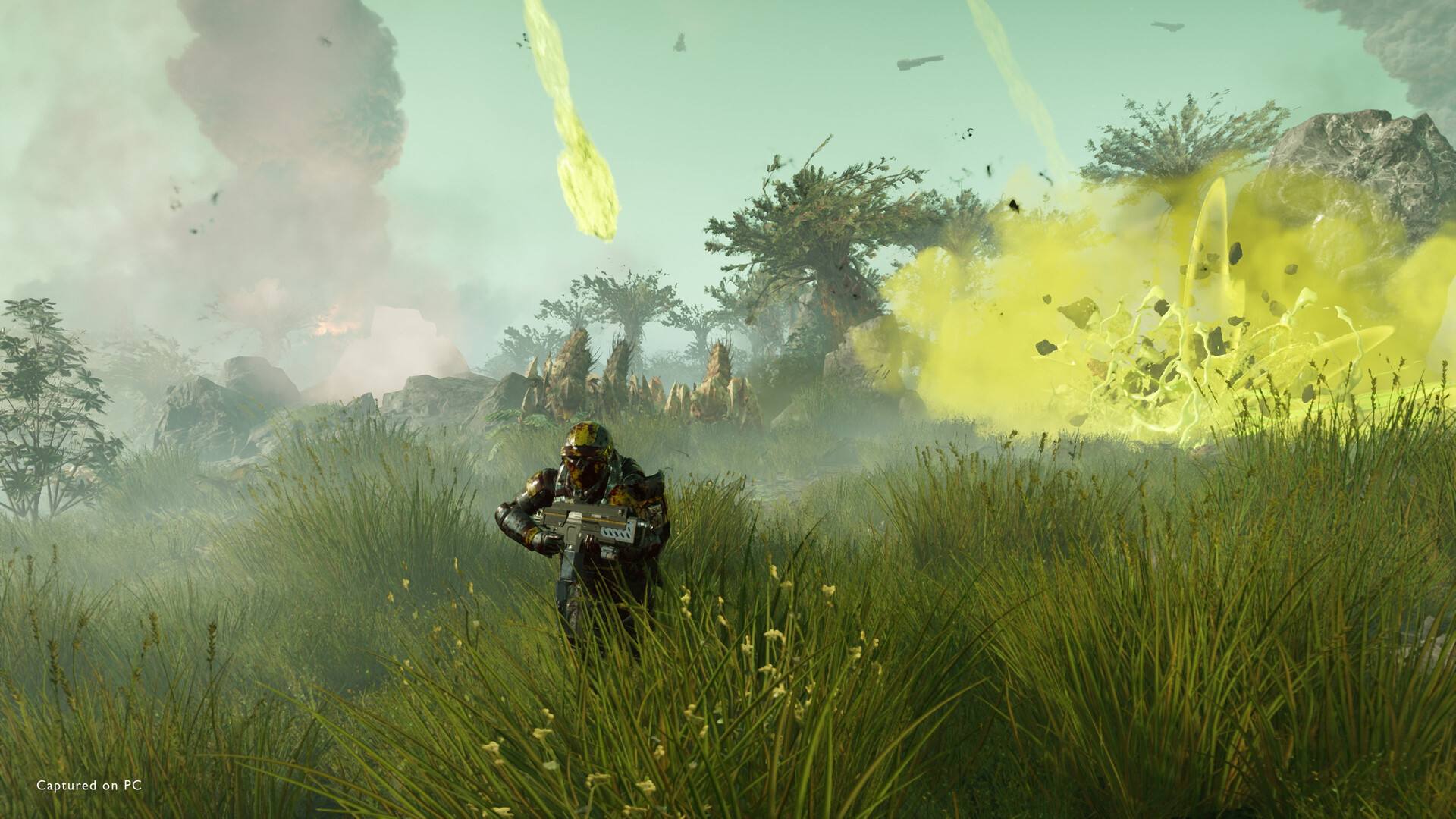
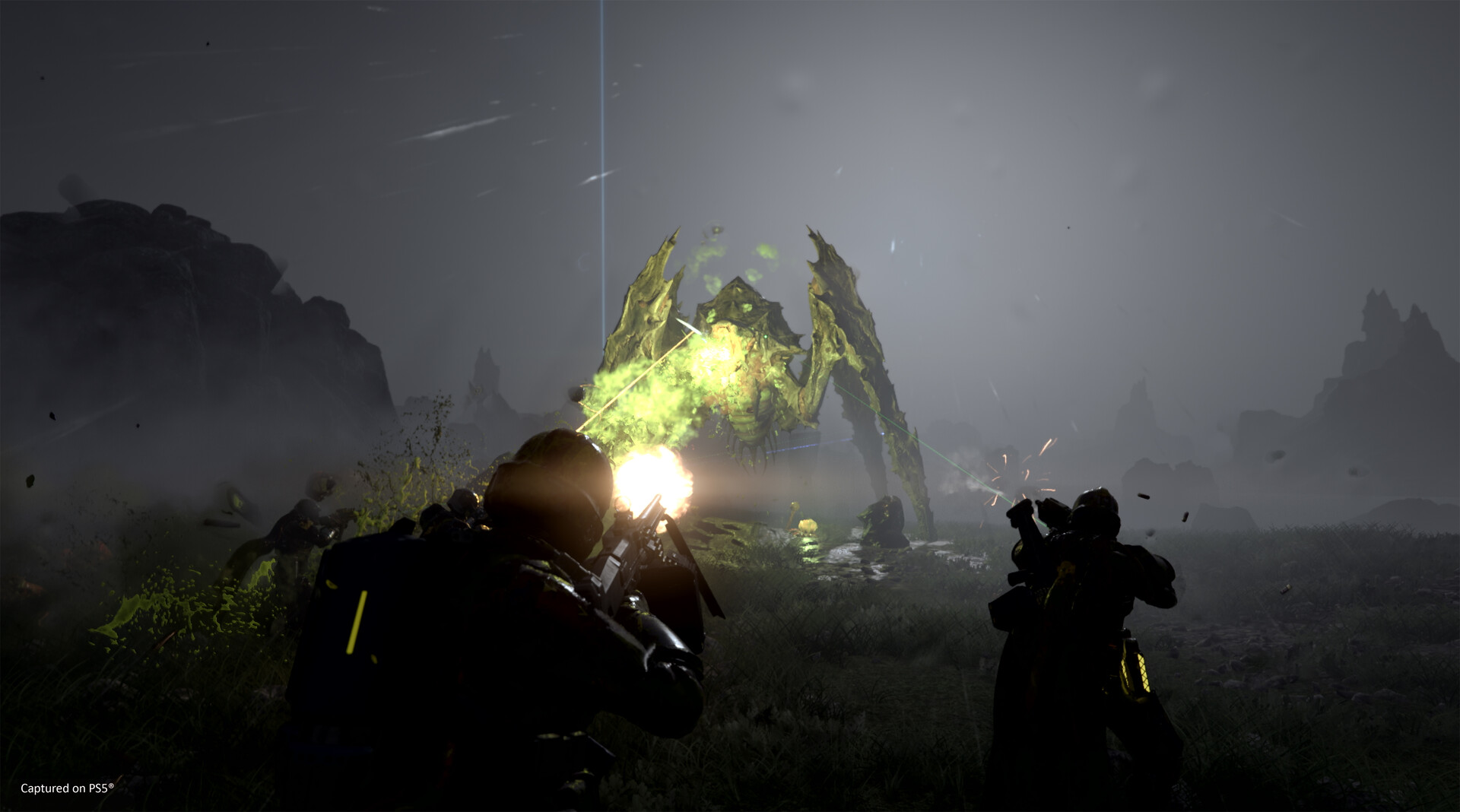
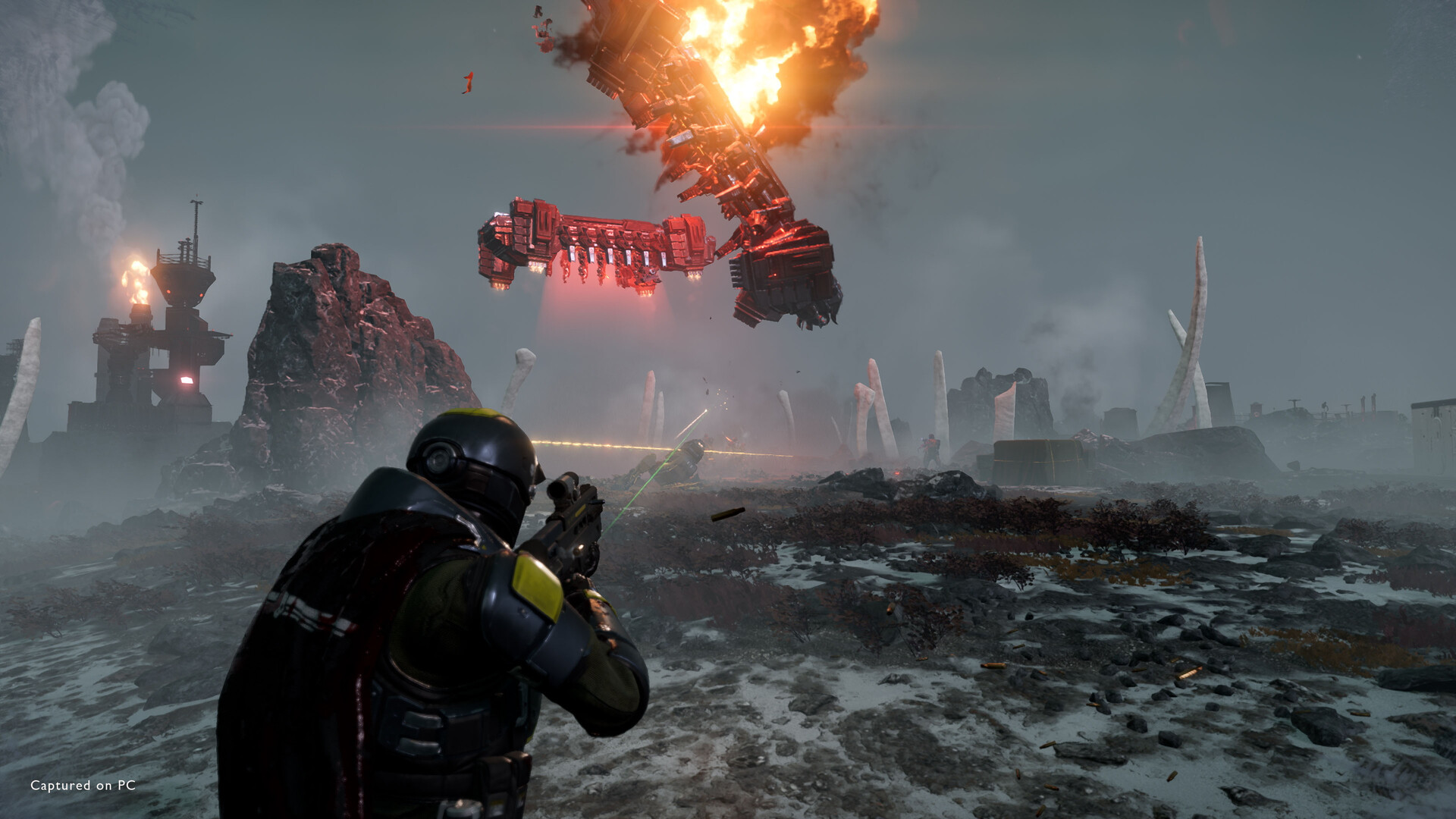
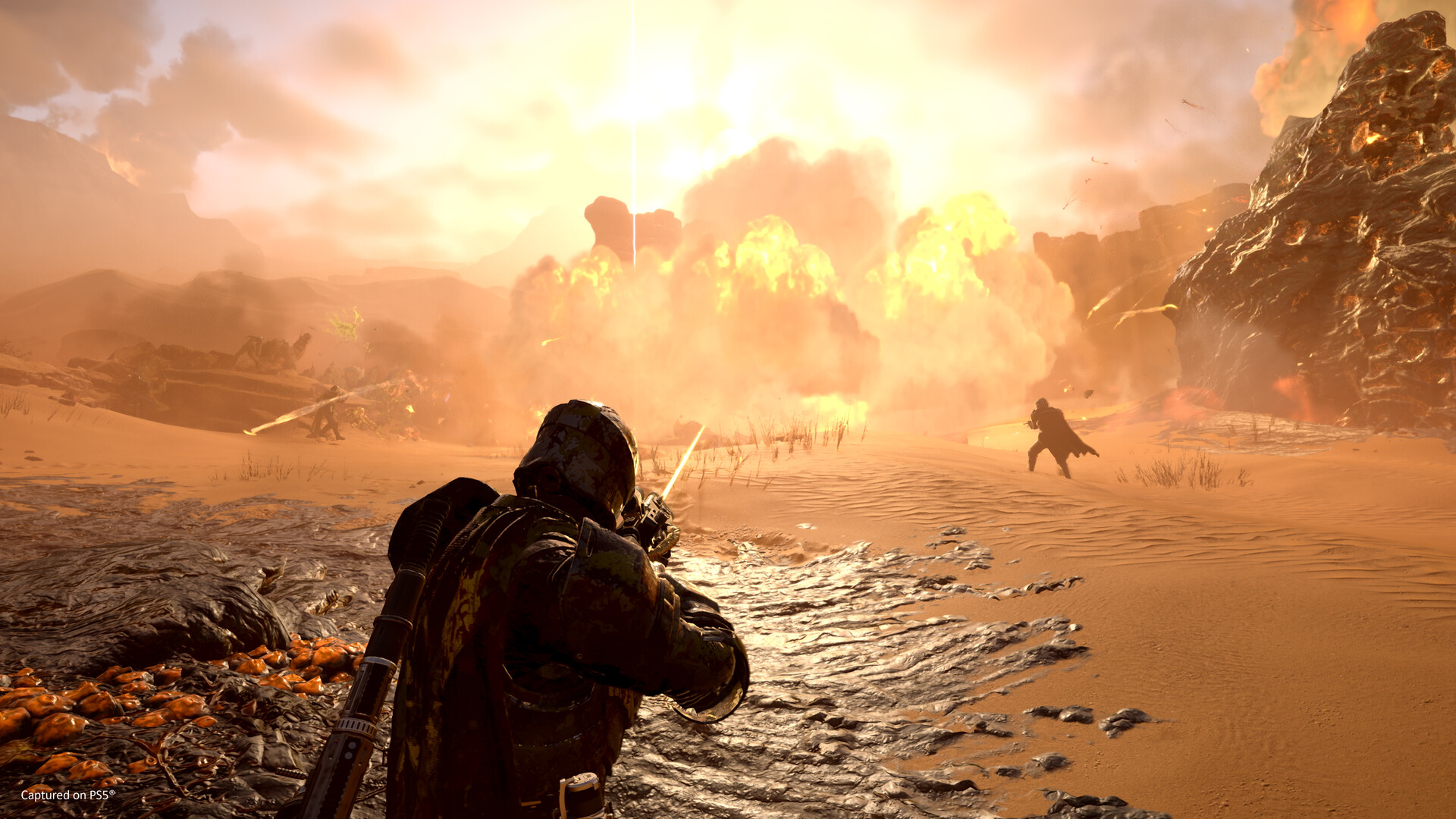
Screenshots

Reviewed by
HD2 Guides Editorial
Expertise: Editorial team behind HD2 Guides. Content is compiled from official patch notes, community wikis, and playthrough notes, then reviewed and updated on schedule.
Sources
Helldivers 2 Missions Guides →
Browse the complete missions collection and its focused guides.
Related Guides
🔥 Popular Guides
Helldivers 2 Armor Tier List — Best Passives Ranked
Helldivers 2 armor tier list ranked by passive value: scout, medium, heavy, and specialist sets. Best passives for solo, co-op, and high difficulties.
Helldivers 2 Warbond Tier List — Best Warbonds to Buy First
Ranked Helldivers 2 warbond tier list: which warbonds to buy first, best value for medals, and what to skip. Updated for current meta.
Helldivers 2 Tier List — Weapons, Warbonds, Armor & Stratagems
Master Helldivers 2 tier list hub: warbond rankings, armor passives, weapons, and stratagems. Jump to the warbond or armor list for your build.
Helldivers 2 helldivers 2 warhammer 40k collaboration update Patch Notes Explained
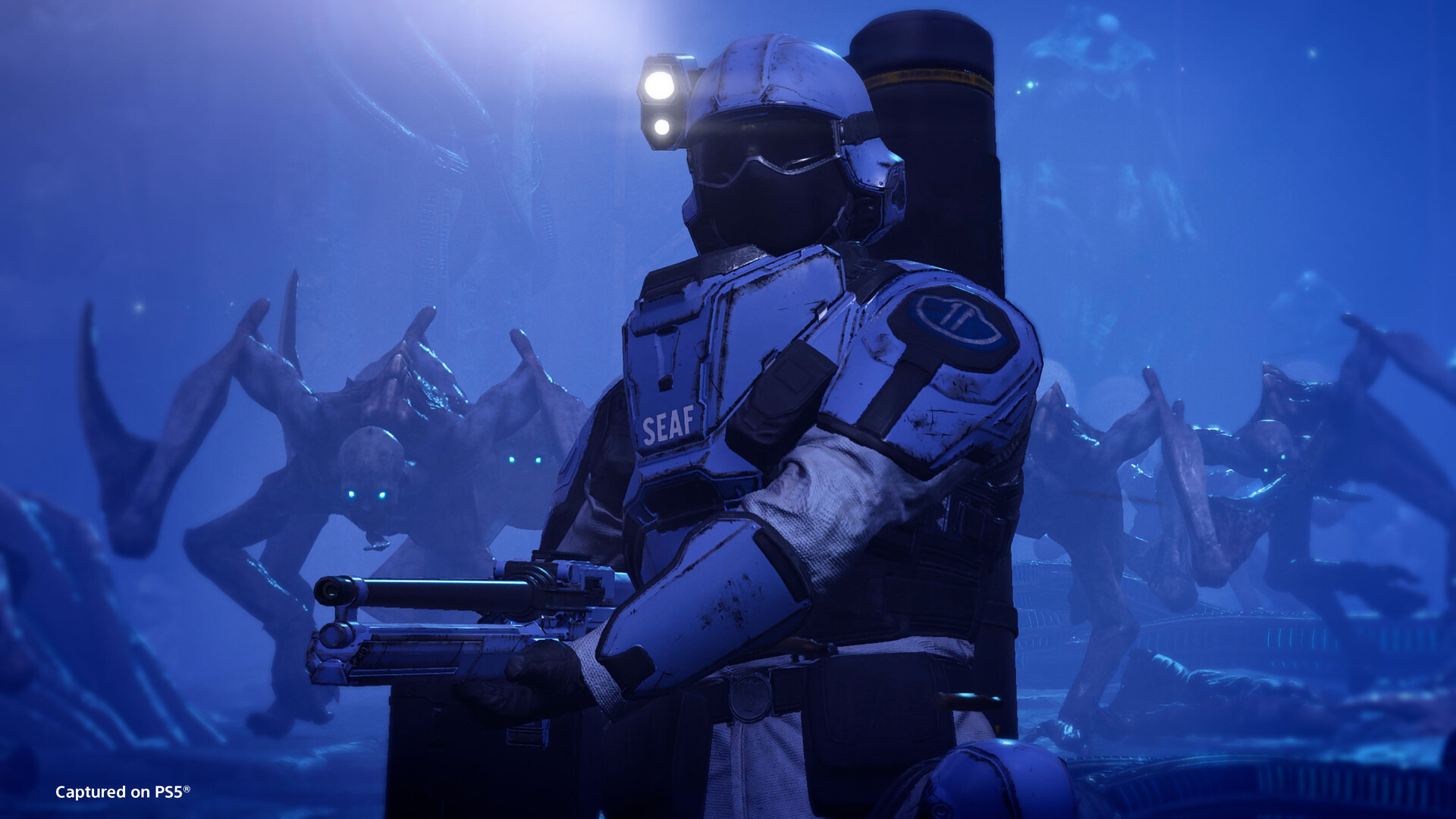
Helldivers 2’s Warhammer 40K crossover adds Castellan’s Creed, new weapons, armor, enemies, missions, SEAF allies, and more.
📋 Patch Notes & Updates
🛠️ Popular Tools
Frequently Asked Questions
Quick answers from the guide · click a question to expand.
Is Helldivers 2 good for beginners?
Yes, but only if you accept that learning is part of the fun. The early game teaches spacing, resource use, and team coordination quickly, and the difficulty curve rewards players who adapt rather than brute-force every mission.
What should I buy first in Helldivers 2?
Buy tools that make missions safer and more consistent before chasing niche power. Early priorities are usually survivability, resupply discipline, dependable stratagems, and broad-utility upgrades.
Should I play solo or with friends first?
Playing with friends is easier because communication reduces mistakes, but solo or public matches can still teach you the basics. The important part is learning how to react when the squad falls apart.
Which enemies are easiest for new players?
The easiest threats are usually the ones with obvious attack patterns and low coordination demands. Beginners should focus first on learning swarms, then ranged pressure, then elite or armored enemies.
How long does it take to understand the basics?
You can understand the core loop in a few sessions, but consistent competence takes longer. HowLongToBeat reports roughly 32.43 hours for the main story and 65.01 hours with extras Source, which matches the idea that the game teaches depth over time.
When should I start experimenting with advanced builds?
Start experimenting once you can complete missions without panic-spending all your resources. If you are still regularly dying to basic mistakes, stick to stable builds and refine fundamentals first.
Was this guide helpful?
Rate this guide so we can improve it.
Share your own tip
Found something not in the guide? Submit it below — our editors review every tip before publishing. No account required.