 Helldivers 2
Helldivers 2 SG 225 Breaker Beginner Guide
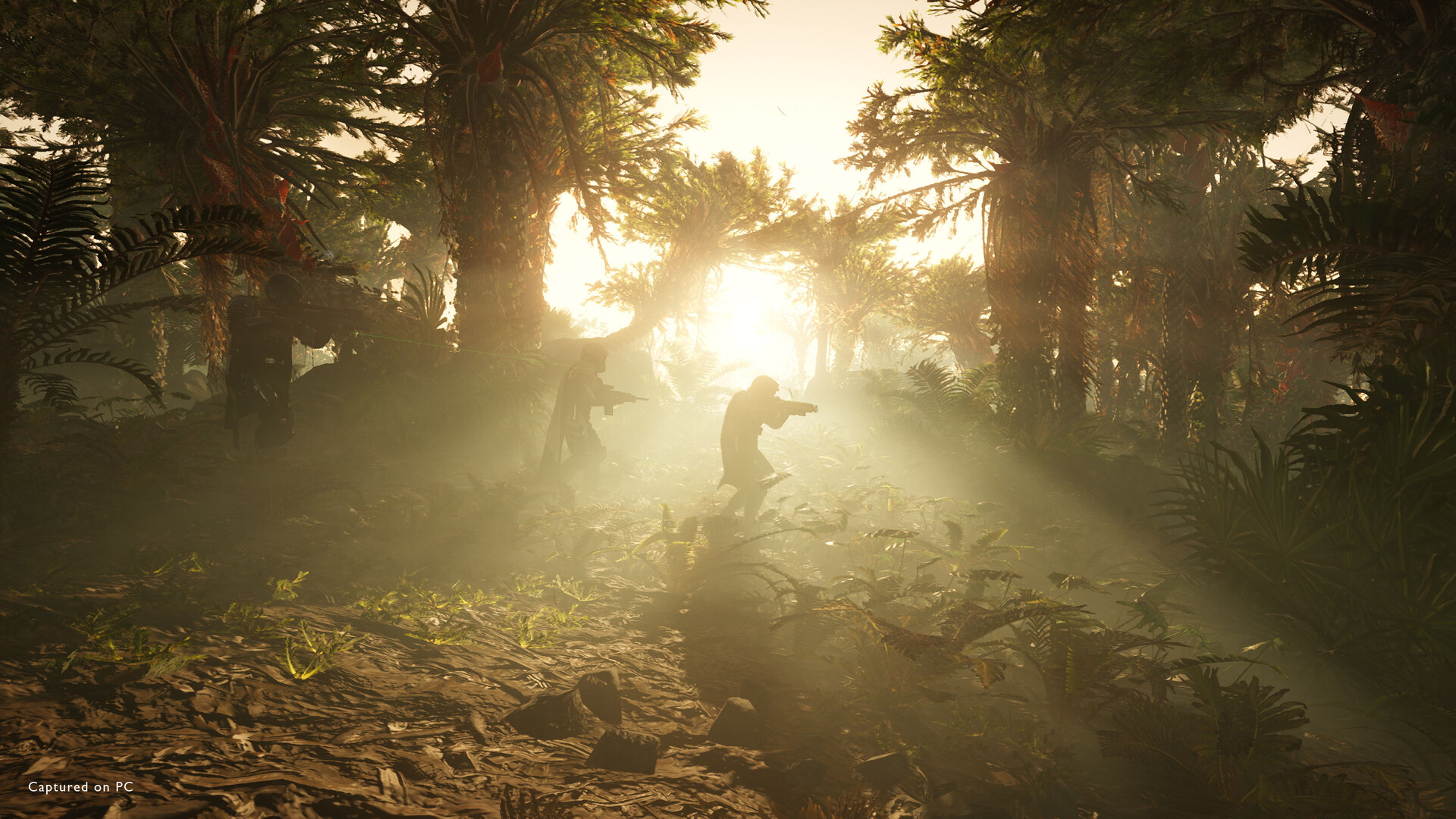
Quick Answer: Helldivers 2 SG 225 Breaker is a strong early-game shotgun for close-range clearing, but beginners should pair it with smart stratagems, objective play, and resource discipline to survive the first difficulty climb.
What the SG 225 Breaker Does Well
The Helldivers 2 SG 225 Breaker is one of the easiest primaries to understand because it rewards simple, aggressive play: point at a target, fire, and let the spread handle close-range enemies. In the current meta, that makes it a very practical beginner weapon for clearing light bugs, punishing enemies that rush your position, and keeping pressure off your squad while you learn mission flow.
The Breaker’s value is not that it solves every encounter. Its value is that it lets new players focus on the rest of Helldivers 2’s systems without also fighting their primary weapon. That matters because Helldivers 2 is built around layered decisions: positioning, stratagem timing, ammo management, friendly fire discipline, and objective routing. A forgiving shotgun reduces the number of variables you need to process at once.
It also teaches an important lesson about weapon role. The Breaker is best when enemies are already close, when you are holding a choke point, or when you are sweeping through a dense wave alongside teammates. It is weaker when you are trying to snipe, delete armored targets by itself, or play too far from your squad. Beginners often misread that and think a strong-feeling shotgun should be used everywhere. It should not.
Three practical examples make its role clear:
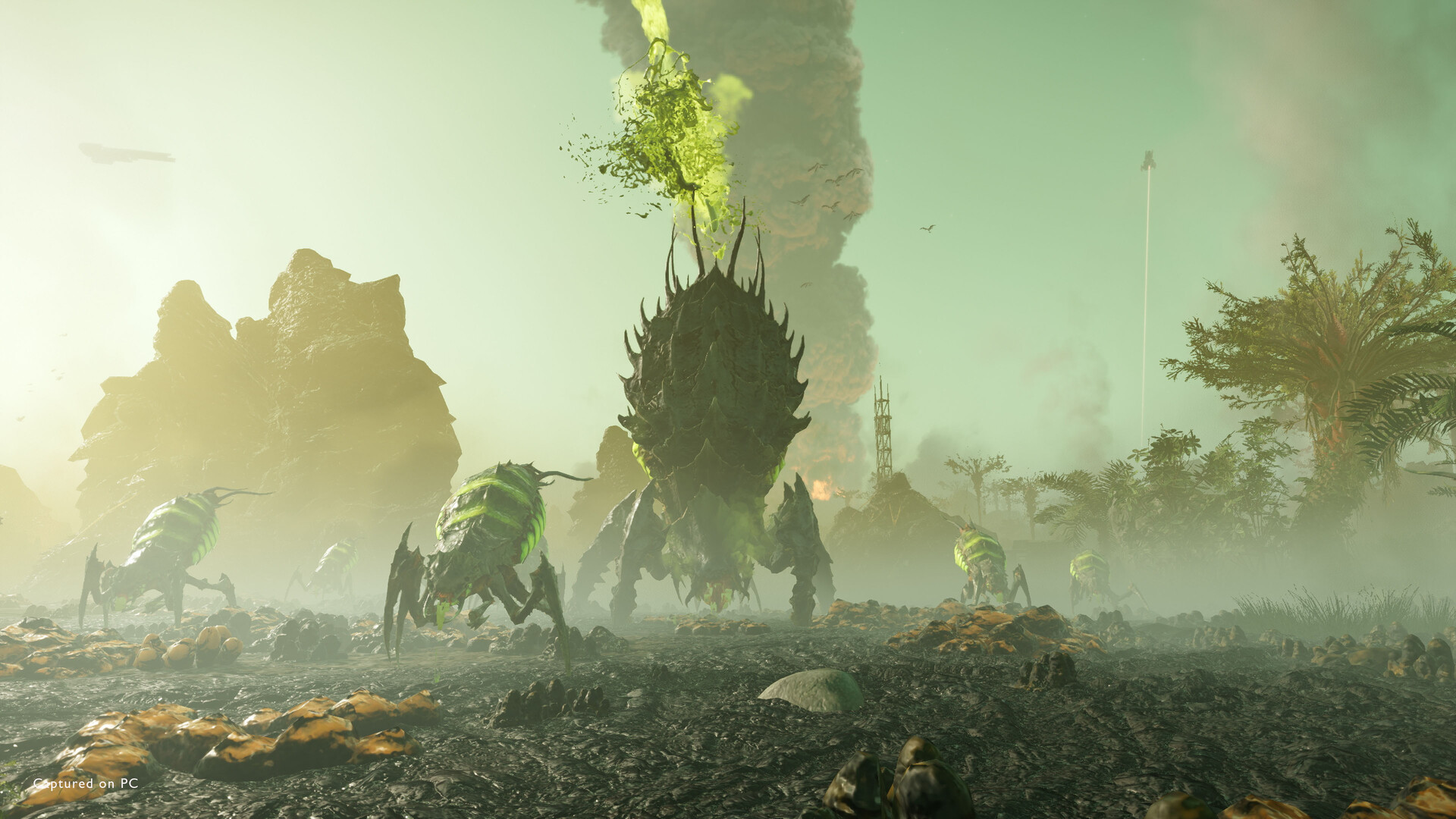
- A Terminid swarm closes on a drill site: the Breaker helps you erase Hunters and Warriors before they collapse on the objective.
- A teammate is reloading a support weapon under pressure: the Breaker can buy them space while they reset.
- You are moving between objectives and get ambushed at short range: the Breaker is reliable when reaction time matters more than precision.
The weapon also fits the game’s tone. Helldivers 2 is a cooperative third-person shooter where the mission is often more important than the kill count, and the Breaker supports that mindset well. It is not a prestige pick. It is a consistency pick. For beginners, that is usually the better trade.
First-Hour Checklist
Your first hour should be spent learning mission flow, unlocking your first dependable stratagems, and building habits that keep you alive more reliably than raw aim. Helldivers 2 is a 2024 cooperative shooter from Arrowhead Game Studios, and its early game punishes players who treat it like a standard run-and-gun shooter rather than an objective-first squad game. Steam currently describes it as “The Galaxy’s Last Line of Offence,” and community data shows it remains heavily active, with 29,205 players in game right now on Steam and 1151055 reviews at 75.1% positive Source.
Your first-hour priorities should look like this:
- Finish the tutorial and immediately practice stratagem input speed.
- Run low-difficulty missions to learn extraction timing and objective routing.
- Buy your first practical stratagems before chasing flashy unlocks.
- Test the Helldivers 2 SG 225 Breaker only after you understand ammo and positioning.
- Extract consistently, even if your kill count is modest.
What to do first
Start with missions where you can learn safely instead of trying to impress anyone. On the lowest difficulties, you want examples like bug extermination runs, simple mission objectives, and short extraction sequences. The point is to build a route in your head: drop in, identify the objective, clear the path, call in tools, finish, and extract without panic.
Focus on these actions:
- Memorize your reinforcement call and resupply timing.
- Learn how to place stratagem beacons behind cover.
- Practice moving after every burst rather than standing still.
- Pick up samples whenever the area is safe, but do not tunnel on them.
- Watch how teammates handle enemy flanks and copy the habit.
What to unlock first
Your earliest unlocks should improve survival and mission control, not just personal damage. In the opening hours, that usually means a dependable support weapon, one offensive stratagem, and one defensive or mobility tool. Examples that help beginners understand the shape of the game include an anti-swarm option, a way to punish grouped enemies, and a tool that helps with extraction pressure.
The order matters because Helldivers 2 rewards flexible loadouts. If you unlock only damage and ignore survivability, you will fail missions where holding ground matters more than deleting a single enemy. If you unlock only defense and never add a wave-clear tool, you will be overwhelmed by swarm pressure. The Breaker helps fill the gap on the primary slot, but it cannot replace stratagem planning.
What to practice during the first hour
Spend part of that first hour deliberately making mistakes in low-stakes missions. Fire while moving. Reload behind cover. Throw a stratagem at an angle, then correct it. Call a resupply before you are empty so you learn the timing. Use your primary and your grenade in different situations so you understand which tool solves which problem.
The most important habit is this: do not get attached to a fight that no longer serves the objective. New players often stay in one area too long because enemies keep spawning and the combat feels active. Helldivers 2 punishes that. Mission success comes from forward motion and controlled engagement, not from clearing every enemy on the map.
You might also like
- Helldivers 2 Reviewed by Game878Helldivers 2Read Full Review Story5Gameplay9Visuals9Audio8Value forMoney8 Beginner Guide
- Helldivers 2 How to Destroy Fuel Silos and Stockpiled Ammunition
- Helldivers 2 Failed to Establish Network Connection Error Beginner Guide
- Helldivers 2 Does Support Crossplay and Cross Save: Beginner Guide
- Helldivers 2 How to Fix Stuck in Drop Pod Bug
Resource Priority Order
Your resource priority order should favor progression, durability, and mission consistency before cosmetic or niche spending. Helldivers 2 has multiple currencies and unlock tracks, and beginners waste a lot of momentum by spending early resources on items they cannot use properly yet. That is especially true if you are trying to make the Helldivers 2 SG 225 Breaker your early primary, because its real power only matters when the rest of your kit supports it.
A practical priority order looks like this:
| Priority | Spend On | Why It Matters First | Early-Game Example |
|---|---|---|---|
| 1 | Core stratagems | They define mission success more than raw weapon stats | Resupply, anti-swarm, orbital support |
| 2 | Ship module upgrades | They improve the whole squad and scale better than single gear upgrades | Better cooldowns, stronger support options |
| 3 | Useful warbond unlocks | They expand loadout flexibility and answer specific threats | Secondary weapons, grenades, armor tools |
| 4 | Samples for upgrades | They matter, but only after you are reliably extracting | Collecting common samples during safe windows |
| 5 | Cosmetic or niche picks | They do not change beginner success much | Style choices, situational sidegrades |
What to hoard
Hoard anything that improves long-term flexibility. Super Credits, medals, and samples all have different uses, but the key beginner rule is the same: do not spend as soon as you can spend. Wait until you know what problem a purchase is solving. A beginner who buys random unlocks often ends up with a broad inventory and a weak actual build.
Three examples of sensible hoarding:
- Save unlock currency until you know whether you need more anti-armor, anti-swarm, or support utility.
- Keep samples for upgrades that benefit your current squad role rather than chasing a feature you barely use.
- Hold medals until you know which warbond section gives the biggest practical improvement to your loadout.
What to spend first
Spend first on tools that reduce mission failure. If your squad dies because you cannot recover from pressure, then a stronger offensive unlock will not solve your problem. If you fail objectives because you cannot manage groups, then a niche anti-armor weapon is not the best first buy. Early resources should reduce friction.
For most new players, that means buying around the following needs:
- A reliable way to answer swarms.
- A way to contribute against armored threats.
- A support option that helps the team survive bad drops.
- A defensive improvement that keeps you functional while learning.
This is also where the Breaker fits naturally. It is a practical buy if you are actively playing into close-range pressure and want a primary that forgives imperfect tracking. It is not the only viable beginner weapon, but it is one of the easiest to use correctly.
What not to spend early
Do not sink resources into loadout choices you cannot support with mission knowledge. That includes over-specialized tools, vanity unlocks, and anything that only works if the rest of your team is already coordinated. New players often see a flashy item and treat it as an upgrade because it looks stronger on paper. In practice, a bad purchase is just a delay in your actual progression.
Common Mistakes
New players usually fail in Helldivers 2 for the same few reasons, and the fixes are straightforward once you identify the pattern. The game is less about mechanical difficulty than about poor habits compounding under pressure. The Helldivers 2 SG 225 Breaker can hide some of those problems because it feels strong immediately, but it cannot cover poor positioning or sloppy team play.
1. Fighting every patrol
Players often engage patrols because the combat starts quickly and the enemies are tempting targets.
Why it happens: Helldivers 2 makes firefights feel active, so beginners assume more fighting means more progress.
Fix: Break line of sight, move around patrols when possible, and only commit when the fight is helping the objective. If a patrol is not blocking the route, bypass it.
2. Reloading in the open
Players reload at the wrong time because they panic after firing the last round.
Why it happens: The game’s pressure spikes fast, and newcomers treat reloading as a neutral action instead of a vulnerable one.
Fix: Reload behind terrain, during teammate aggression, or while repositioning after a wave. With shotguns like the Breaker, partial timing discipline matters more than squeezing out every shot.
3. Ignoring stratagem cooldowns
Players forget what is available and then die while waiting for a tool they already spent.
Why it happens: Early missions are forgiving enough that you can get away with sloppy management for a while.
Fix: Treat stratagems as rotation tools, not panic buttons. Learn your cooldown rhythm and plan the next use before the current one ends.
4. Overcommitting to the wrong target
Players tunnel on a Hulk, Charger, or heavily armored enemy and ignore the rest of the battlefield.
Why it happens: Big targets look like the immediate threat, especially when they draw attention.
Fix: Ask whether the target is actually blocking the objective. Sometimes the correct play is to clear the smaller enemies first, open space, then use the squad’s anti-armor tools on the heavier threat.
5. Standing still after a good shot
Players stop moving because the Breaker or another primary feels comfortable at close range.
Why it happens: The weapon feels efficient, so the player settles into a static rhythm.
Fix: Fire, move, re-center, fire again. In Helldivers 2, movement is not just defense; it is part of how you avoid becoming surrounded.
6. Treating extraction like a victory lap
Players relax too early when the objective is finished.
Why it happens: They think the mission is basically over once the main task is done.
Fix: Extraction is another combat phase. Save at least one tool for the final landing area, stay near cover, and expect a messy last push.
Pro Tips
Advanced beginner play is mostly about reducing wasted actions and learning how the mission systems actually flow. These tips go beyond the obvious “shoot enemies” level and help the Breaker and your broader loadout perform better.
Tip 1. Use the Breaker as a spacing tool
The Helldivers 2 SG 225 Breaker is best when you use it to force enemies to respect your lane, not when you try to duel everything at maximum speed. Fire into advancing light enemies, backpedal into cover, and let the shotgun create breathing room for your team.
Tip 2. Save your strongest stratagem for the second wave
A lot of new players spend their biggest tool on the first thing they see. That is usually wasteful. Hold an orbital or call-in for the point where the mission area gets crowded, such as an objective defense or extraction hold.
Tip 3. Reload before you are empty
The best time to reload a shotgun is usually after a short clean burst, not after the last shell is gone. That matters on missions where a surprise patrol appears while you are crossing open ground.
Tip 4. Move the fight toward friendly cover
When you are at a drill, terminal, or extraction pad, use terrain to control enemy approach angles. Fighting in open ground gives swarms more ways to close distance, while a choke point makes your primary and grenades much more efficient.
Tip 5. Learn one answer to each threat type
A beginner does better with a simple, reliable threat map than with a complicated loadout. Know which tool handles swarms, which handles armor, and which buys time. For example, the Breaker handles close-range trash, a stratagem handles grouped enemies, and a support weapon handles heavier targets.
Tip 6. Track where you are spending ammo
Ammo waste is one of the easiest hidden problems to fix. If you are using the Breaker to finish off one weak enemy at a time when a melee shove or movement would do, you are burning resources you will need later in the mission.
Tip 7. Extract with a plan, not a mood
Before the shuttle lands, decide who is covering which direction, where the resupply is going, and whether the team is saving a final offensive stratagem for the last seconds. Extraction goes better when it is already assigned in practice, even without voice chat.
Graduation Threshold
You are out of the beginner phase when you can complete missions without constantly relying on panic plays, and your loadout choices start reflecting matchup knowledge instead of simple comfort. In Helldivers 2, that point is less about level and more about consistency. The game’s broader community data shows a steep learning curve: Steam achievement data indicates the rarest tracked achievement sits at 10.7% Source, which is a good reminder that many players never get fully comfortable with the deeper mission demands.
There are three practical signs that you have graduated from beginner status:
- You know when to fight and when to move.
- You understand what each stratagem slot is doing for the team.
- You can finish missions while staying useful even when the map turns messy.
A more concrete test is how you handle a mission with mixed threats. If you can respond to a patrol, support a teammate, deal with an objective under pressure, and still extract without burning everything at once, you are past the first learning wall. The Breaker may still remain in your rotation, but it will become one option among many rather than a crutch.
Another signal is build awareness. Beginners often ask, “What is the strongest weapon?” More experienced players ask, “What problem is my squad missing?” That shift matters because Helldivers 2 is designed around squad composition and situational answers, not a single permanent best setup. If you are already thinking that way, you are moving into the next phase.
A final practical benchmark is mission confidence. When you can enter unfamiliar content, recognize threat spacing, and adapt your loadout without having to restart the whole plan, the beginner label no longer fits. You do not need to know everything. You just need to stop being surprised by the same mistakes.
Related Guides
The best next reads are the ones that deepen loadout planning and mission execution rather than repeating beginner advice.
- helldivers 2 available platforms Helldivers 2 best early-game builds
- related guide Helldivers 2 stratagem tier list for beginners
- helldivers 2 why tips Helldivers 2 mission walkthrough and objective basics
- related guide Helldivers 2 armor and survivability guide
- legendary warbond release date Helldivers 2 weapons tier list for new players
Sources
- https://store.steampowered.com/app/553850/
- https://howlongtobeat.com/?q=helldivers2
- https://api.steambase.io/games/553850
- https://www.protondb.com/app/553850
- https://steamcommunity.com/stats/553850/achievements
- https://www.metacritic.com/game/helldivers-2
- https://steamspy.com/app/553850
- https://www.speedrun.com/Helldivers2
See also
- Helldivers 2 How to Get the EX-03 Prototype 3 Armor Set
- Helldivers 2 How to Get Major Order Reward
- Helldivers 2 Super Earth issued Tool Rack Beginner Guide
- Helldivers 2 Battle Pass Guide: How to Progress Warbonds
- Helldivers 2 Beginner Guide: Smart First Steps, Resources, and Common Mistakes
- Helldivers 2 How to Go First Person Mode
- Helldivers 2 Send a ticket to wiki gg Beginner Guide
- Helldivers 2 Beginner Guide
- Helldivers 2 How to Get and Use the Anti-Materiel Rifle
- Helldivers 2 How to Use the Safe and Unsafe Railgun Modes
Screenshots


Reviewed by
HD2 Guides Editorial
Expertise: Editorial team behind HD2 Guides. Content is compiled from official patch notes, community wikis, and playthrough notes, then reviewed and updated on schedule.
Sources
Helldivers 2 Missions Guides →
Browse the complete missions collection and its focused guides.
Related Guides
🔥 Popular Guides
Helldivers 2 helldivers 2 warhammer 40k collaboration update Patch Notes Explained
Helldivers 2’s Warhammer 40K crossover adds Castellan’s Creed, new weapons, armor, enemies, missions, SEAF allies, and more.
Helldivers 2 super helldive achievement guide
Achievement guide for Helldivers 2 covering rare trophies, hidden requirements, missable timing, and a full Super Helldive completion route.
HELLDIVERS™ 2 all achievements: complete achievements guide
Full Helldivers 2 achievements guide with rarest trophies, hidden unlocks, missables, and a 100% completion route.
Helldivers 2 patch notes 7.0.2: What changed in the Void update era
What changed in Helldivers 2 patch notes 7.0.2, including new Illuminate threats, SEAF support, the level cap increase, and squad action items.
📋 Patch Notes & Updates
🛠️ Popular Tools
Was this guide helpful?
Rate this guide so we can improve it.
Share your own tip
Found something not in the guide? Submit it below — our editors review every tip before publishing. No account required.