 Helldivers 2
Helldivers 2 How to Go First Person Mode
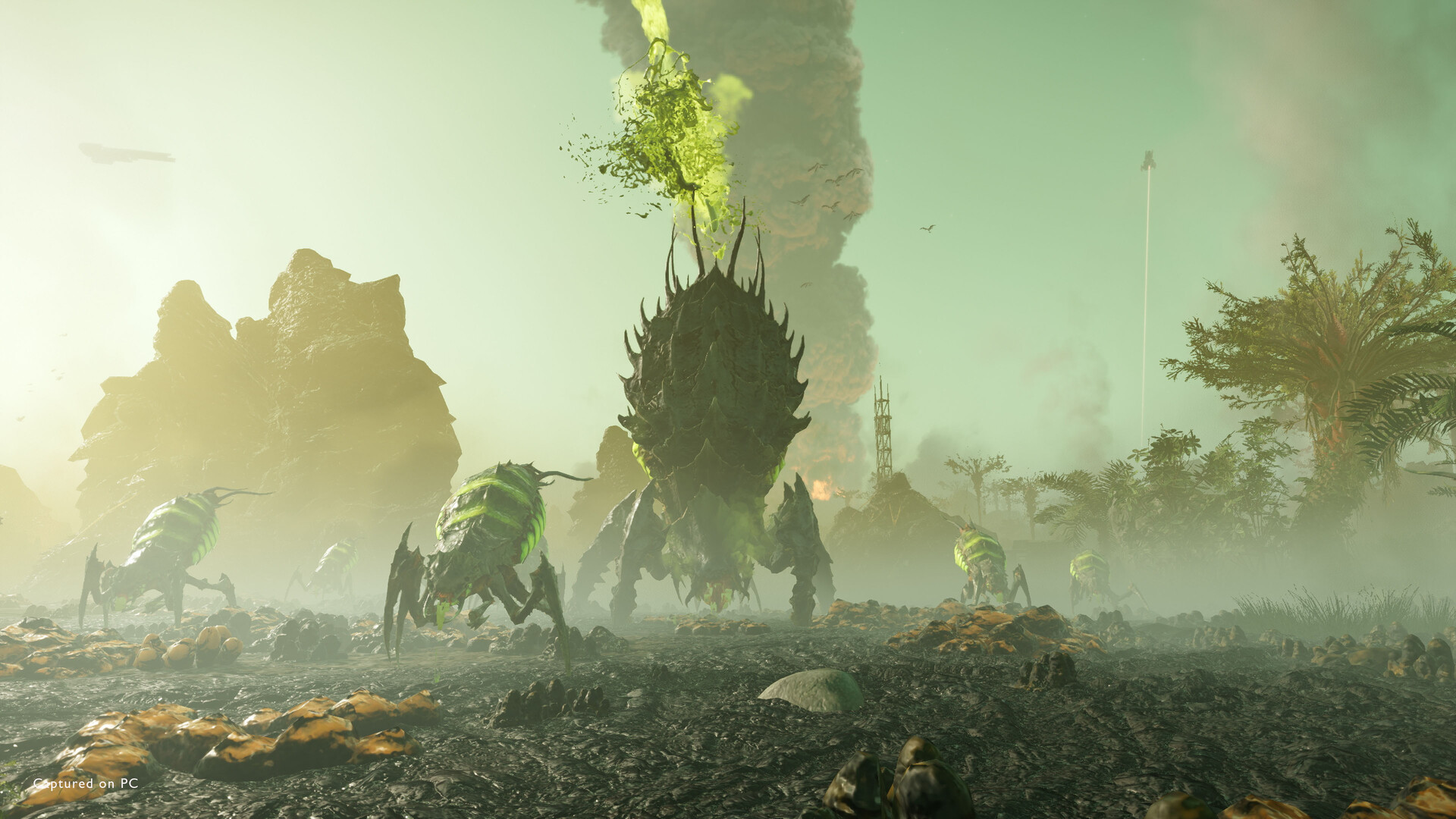
Quick Answer: In Helldivers 2, go first person by aiming down sights with a weapon that supports it; the mode is mainly used for precision shooting, not every gun or situation.
What First Person Mode Actually Does
First person mode in Helldivers 2 is a precision tool, not a full-time viewpoint swap. The game is built as a third-person co-op shooter, so the main loop is still about movement, positioning, stratagem timing, and team spacing. First person is what you use when you need to land a clean shot on a weak point, manage recoil at longer ranges, or stop wasting ammo on small targets that are easier to delete with controlled fire.
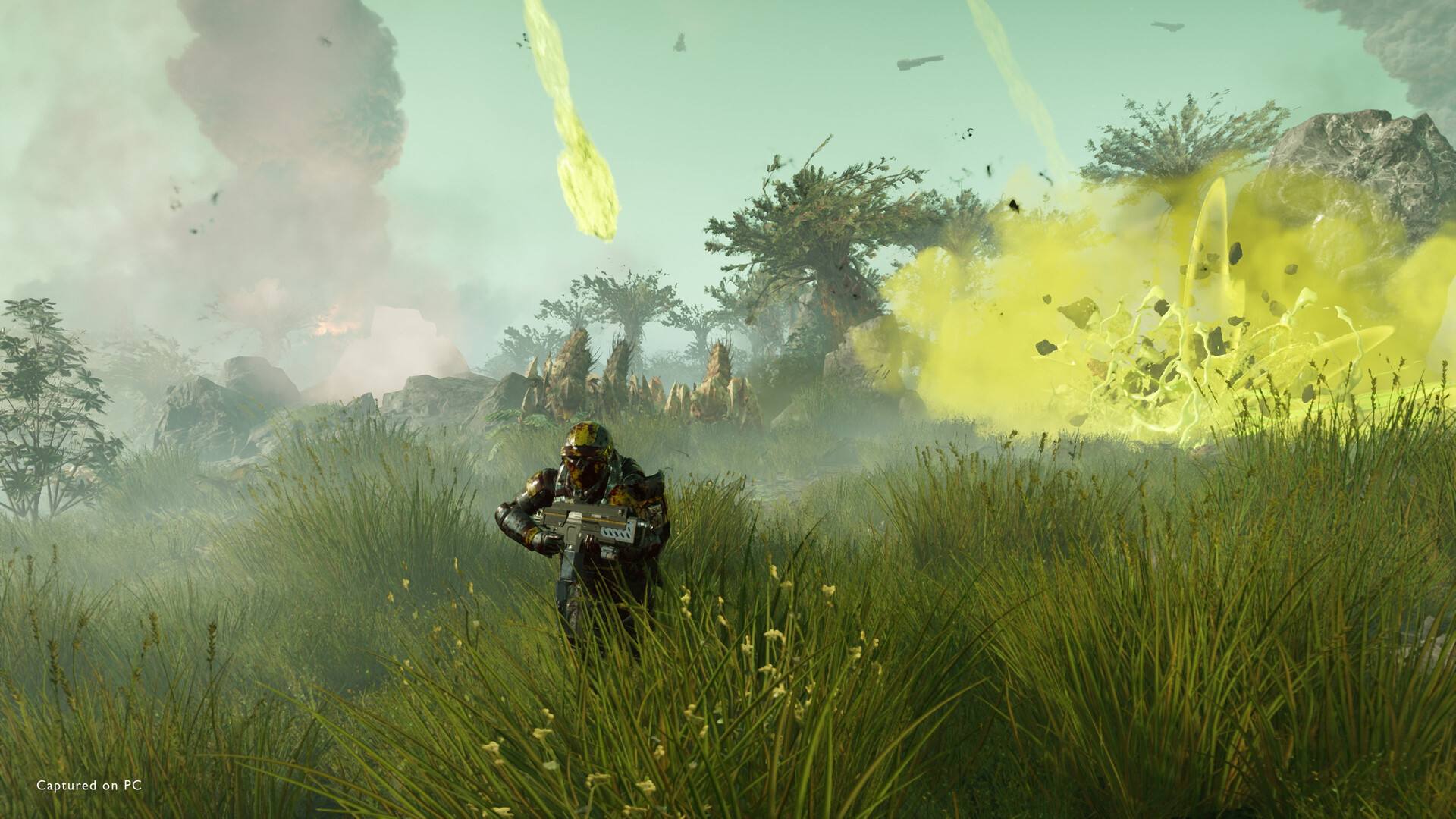
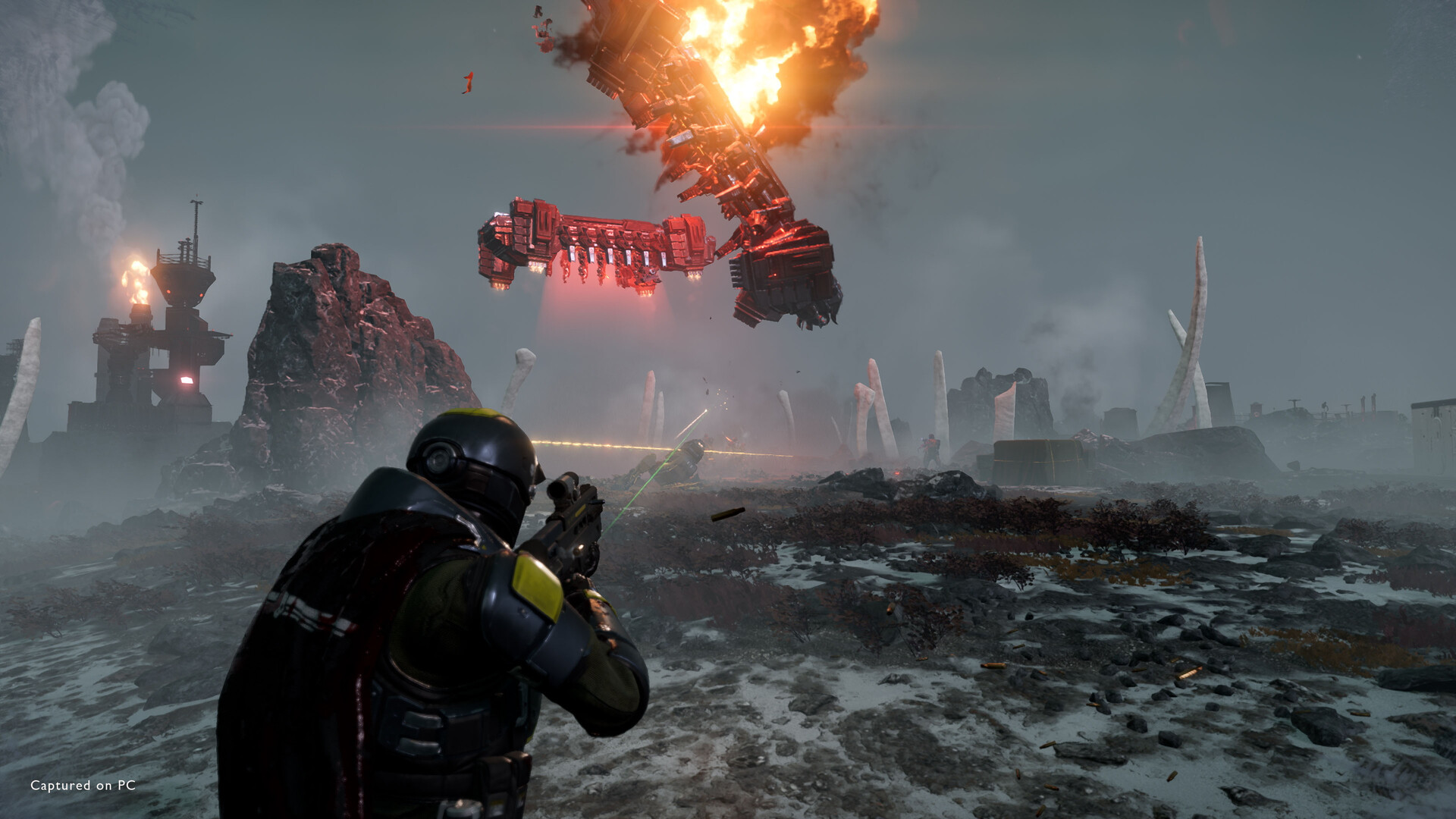
The important practical detail is that first person is tied to aiming, and the exact behavior depends on the weapon. A rifle like the Liberator or Diligence is naturally suited to this because their sights support careful target acquisition. A shotgun like the SG-225 Breaker is usually better handled in third person unless you are using the extra magnification to confirm a stagger setup or line up a dangerous target at range. Support weapons can also benefit, especially when you need to hit a specific enemy part on a Bile Spewer, Automaton Devastator, or Hulk.
There is a reason beginners often ask about Helldivers 2 How to Go First Person Mode early on: the game teaches you that the camera can help with aim, but it never over-explains when the tradeoff is worth it. First person narrows awareness. You gain precision, but you lose some immediate visibility around your character, which matters a lot when Hunters, Rocket Devastators, or flankers are trying to punish you. The skill is not just knowing how to enter it, but knowing when to leave it.
The right mindset is simple. Use first person when:
- you need to place shots on weak points,
- a target is at mid to long range,
- your weapon has enough stability to justify slower, deliberate fire,
- your squad has already secured the immediate area.
Stay in third person when:
- you are surrounded,
- you need to sprint, dodge, or climb terrain,
- you are clearing close-range trash,
- visibility matters more than shot precision.
First-Hour Checklist
Your first hour should focus on learning how to move, aim, call stratagems, and survive long enough to extract consistently. The fastest way to get comfortable with Helldivers 2 How to Go First Person Mode is to treat it as one tool inside a basic survival routine, not as a special trick to master in isolation.
Do these actions in your first few missions
- Complete the tutorial and pay attention to stratagem input flow.
- Run a low-difficulty mission with a flexible loadout, such as a Liberator, a basic sidearm, and one simple support option.
- Practice entering first person only when you are already stable behind cover or at range.
- Test a few enemy types: Scavengers, Warriors, and one armored target like a Devastator or Hive Guard.
- Extract at least once with a full squad so you see how mission pacing changes after objectives are complete.
What to learn immediately
- How recoil behaves in first person with your chosen primary.
- Which enemies are easier to hit in first person and which are better deleted from third person.
- How much time you lose if you stop to aim when the fight is already collapsing.
- How quickly you can swap between sights and movement without getting caught stationary.
A practical first-hour route
Start with an easier operation and build from there. Use your first mission to establish the camera rhythm: third person for travel, first person for deliberate shots, third person again whenever the battlefield becomes messy. That pattern is useful against both bug and bot factions because the core problem is the same in both cases: you are balancing precision against awareness.
The first hour is also where you should identify your personal comfort weapons. A player who likes the Diligence will usually use first person more often than a player who prefers a flamethrower-style close-range approach. Likewise, a squadmate running a Recoilless Rifle or Anti-Materiel Rifle will often value first person much more than someone clearing small enemies with area damage.
If you are learning Helldivers 2 How to Go First Person Mode, do not try to force it every time you right-click or aim. Build the habit around specific triggers: distant targets, isolated threats, and weak-point shots.
You might also like
- Helldivers 2 Available Platforms Updated 3/7/2024 See all the available platforms and consoles for Beginner Guide
- Helldivers 2 Why Now May Be the Perfect Time for a New Enemy Faction
- Helldivers 2 Reviewed by Game878Helldivers 2Read Full Review Story5Gameplay9Visuals9Audio8Value forMoney8 Beginner Guide
- Helldivers 2 How to Destroy Fuel Silos and Stockpiled Ammunition
- Helldivers 2 Failed to Establish Network Connection Error Beginner Guide
Resource Priority Order
Your early resources should go first into survivability, mission flexibility, and unlocks that make your squad more consistent. Helldivers 2 does not reward random spending as much as it rewards a clean progression path, especially when you are still learning the combat camera and trying to decide when first person is actually useful.
| Priority | Spend on | Why it matters early | Example of a good early pick |
|---|---|---|---|
| 1 | Stratagem versatility | Gives you answers to armored targets, swarms, and objectives | Eagle Airstrike, Machine Gun, Orbital Precision Strike |
| 2 | Ship module upgrades | Improves core mission reliability for the whole squad | Module lines that enhance cooldowns, ammo, or support uptime |
| 3 | Warbond unlocks | Expands your weapon and utility options | Primary weapons, grenades, armor perks |
| 4 | Cosmetics | Nice to have, but not a progression bottleneck | Armor looks, capes, emblems |
| 5 | Experimental niche picks | Useful later, but often not beginner-efficient | Highly specialized strats or situational weapons |
The main resource idea is that you should not chase novelty too early. A beginner can burn a lot of time and currency on a flashy unlock that looks strong in a clip but is awkward in actual missions. Early on, what you need is reliable coverage across mission types. If you are fighting Terminids, you want tools for chaff and armor. If you are fighting Automatons, you need answers for ranged pressure, armored units, and surprise angles. A weapon that feels great in first person still needs to fit the mission structure.
For most new players, spending should follow this order:
- Unlock a dependable primary.
- Unlock at least one answer to armored enemies.
- Improve ship modules that support the whole squad.
- Only then start branching into niche loadouts.
That logic also applies to first person usage. A beginner often wants to make every gun behave like a marksman weapon, but Helldivers 2 is more tactical than that. You spend resources to reduce friction, not to force every engagement into precision aim. A good early loadout might include a general-purpose rifle, a grenade that solves clustered enemies, and a support weapon that handles armor. Once that foundation is in place, first person becomes a tactical adjustment instead of a crutch.
A sensible hoarding rule is to keep enough currency and progression room for the next unlock tier rather than emptying everything into one flashy option. That way you can respond when your squad composition changes. In co-op, flexibility matters more than perfect personal optimization.
Common Mistakes
New players usually fail in Helldivers 2 because they overcommit to aim, ignore positioning, or spend progression on the wrong tools. The game punishes tunnel vision harder than many shooters, and that is especially true when learning Helldivers 2 How to Go First Person Mode.
Mistake 1: Staying in first person too long
Players do this because precision feels safer than the chaos around them. The problem is that first person reduces situational awareness and makes you slower to react to flankers, grenades, or sudden melee pressure.
Fix: Use first person only for the shot, not the whole fight. Aim, fire, then return to third person before moving. On missions against Hunters, Stalkers, or Rocket Devastators, this habit matters a lot.
Mistake 2: Treating every weapon like a marksman rifle
Players assume the sight picture makes any gun better at range. In practice, weapons like the Breaker, Flamethrower, or other close-range tools often lose value when you try to force precision they were not built for.
Fix: Match camera mode to weapon role. Use first person for rifles, DMR-style weapons, and support guns that reward weak-point shots. Keep spread-based or crowd-clear weapons in third person unless you are making a very specific shot.
Mistake 3: Ignoring movement while aiming
Players stop moving because they want a clean shot, and then they get erased by melee enemies or splash damage. That is a common failure state when fighting Bile Titans, Chargers, or bot artillery pressure.
Fix: Strafe before aiming, shoot in short bursts, then relocate. If you are using first person while standing still in the open, you are giving the enemy a free angle.
Mistake 4: Spending on flashy unlocks before core answers
Players often buy whatever looks coolest in the Warbond or whatever a clip made look overpowered. That creates a loadout that is fun in isolation but weak when the mission asks for armor control, crowd control, and extraction survival.
Fix: Prioritize one dependable primary, one anti-armor solution, and one mission-saving stratagem before chasing specialty gear.
Mistake 5: Forgetting the squad’s role split
Players sometimes optimize only for their own camera comfort and ignore the team’s actual gaps. A squad with four people trying to play the same angle leaves no one handling enemies that rush, flank, or snipe from range.
Fix: Build around coverage. If one player handles anti-armor, another can bring crowd clear, and another can focus on precision fire. First person is strongest when the team already has battlefield control.
Mistake 6: Trying to learn on too high a difficulty
Players jump into harder operations too early because they want faster rewards or better progression. That often turns every mistake into a wipe before they have learned the basic camera rhythm.
Fix: Spend your first sessions on easier missions until you can extract reliably, call stratagems under pressure, and swap between third and first person without freezing.
Pro Tips
These tips go beyond the obvious “aim better” advice and are useful once you already know the basics of the camera and combat loop.
Tip 1. Use first person for weak-point confirmation, not target acquisition
Snap to the enemy in third person first, then enter first person only once the target is already centered. This is much stronger against Devastators, Hive Guards, and other enemies where a small aim correction changes the outcome.
Tip 2. Pair first person with controlled recoil weapons
Weapons that reward burst discipline benefit the most. A Diligence-style rifle, a precise support weapon, or anything with a stable cadence becomes much easier to manage when you fire in short, deliberate strings instead of holding the trigger and hoping.
Tip 3. Exit first person before repositioning
The moment your shot lands, go back to third person and move. That small habit keeps you alive when the battlefield changes shape after an explosion, a patrol spawn, or a sudden melee push.
Tip 4. Use camera mode to manage mission tempo
If your squad is advancing through an objective zone, stay in third person and keep pace. If the squad is holding an extraction perimeter or protecting a fixed target, switch to first person more often because the fight becomes about lane control and precision.
Tip 5. Keep one loadout that teaches aim discipline
A beginner-friendly rifle loadout is useful even after you unlock more exciting options. Running a straightforward primary with a sidearm and a support weapon gives you repeated reps on sight alignment, recoil control, and target prioritization.
Tip 6. Practice on mixed enemy groups
The best place to learn is not a perfect shooting range scenario. Practice against mixed groups where one enemy wants to rush you while another is vulnerable to precision shots. That pressure teaches when first person helps and when it gets you killed.
Tip 7. Save first person for high-value shots
Do not spend extra attention on trash enemies unless they are blocking a more dangerous threat. In actual missions, a few clean shots into the dangerous unit are worth far more than perfect aim into low-threat targets.
Graduation Threshold
You are out of the beginner phase when you can survive missions, choose loadouts for a reason, and use first person as a tactical option instead of a panic habit. The clearest sign is not your level or one specific unlock; it is whether you can read an encounter and decide, in real time, whether precision is worth the visibility tradeoff.
A player is usually ready to move beyond beginner behavior when they can do the following consistently:
- complete missions without relying on teammates to rescue every mistake,
- call stratagems under pressure without fumbling,
- switch between third person movement and first person aiming smoothly,
- identify enemy roles quickly, including armor, ranged pressure, and melee threats,
- bring loadouts that solve mission problems instead of just feeling good to use.
You also graduate when your resource spending starts to reflect mission logic. For example, if you unlock a weapon because it improves your answer to Automaton weak points, or you choose a stratagem because your team lacks anti-armor, you are thinking like a competent Helldiver rather than a newcomer collecting toys. The same is true if you stop asking how to make every gun work in first person and start asking which tools deserve precision at all.
A useful self-check is whether you can handle the following situations without freezing:
- a patrol appears while you are aiming down sights,
- a Charger closes distance before you finish lining up a shot,
- a Devastator or similar ranged enemy punishes a stationary aim posture,
- extraction gets crowded and you need to swap from precision to survival instantly.
If you can answer those situations correctly more often than not, you have moved past the beginner stage. At that point, first person is no longer a question mark. It becomes one more part of your combat toolkit, used with intention rather than habit.
Common Mistakes
This section expands on the mistakes most likely to keep a new player stuck in the early game loop. The key theme is that Helldivers 2 rewards decision quality more than mechanical glamour.
Mistake 1. Learning aim without learning spacing
Why it happens: Players come from other shooters where raw aim solves more of the game.
Fix: Practice moving before you shoot. Stay at a distance where you can see the enemy’s behavior and still reposition when the fight changes.
Mistake 2. Ignoring mission objectives while fighting
Why it happens: Combat is loud and rewarding, so it is easy to drift into endless skirmishing.
Fix: Finish the objective, then clear the area only as needed. In many missions, your mission success depends on completing tasks efficiently, not on total enemy elimination.
Mistake 3. Bringing a one-dimensional loadout
Why it happens: A weapon feels strong in one situation, so players overvalue it.
Fix: Carry at least one answer to armored enemies and one tool for crowds. A balanced kit is more valuable than a loadout that wins only one kind of fight.
Mistake 4. Panicking at extraction
Why it happens: Extraction is where enemy pressure spikes and mistakes become visible.
Fix: Save at least one answer for the final holdout. Do not spend every tool the moment a fight starts.
Mistake 5. Underestimating team spacing
Why it happens: Solo habits carry over, and players cluster without noticing.
Fix: Spread out enough to avoid shared damage, but stay close enough to support each other. That spacing helps every role, including players who rely on first person for precision shots.
Related Guides
- Helldivers 2 Best Beginner Loadouts
- Helldivers 2 Best Early Stratagems
- Helldivers 2 Weapon Tier List
- Helldivers 2 Armor Guide
- Helldivers 2 Mission Types Explained
- Helldivers 2 Solo Play Guide
- Helldivers 2 Terminid Faction Guide
- Helldivers 2 Automaton Faction Guide
Sources
- Steam store page
- HowLongToBeat: Helldivers 2
- Steam reviews and player count snapshot
- Metacritic game page
- Steam achievements stats
- ProtonDB app page
See also
- Helldivers 2 How to Fix Stuck in Drop Pod Bug
- Helldivers 2 Does Support Crossplay and Cross Save: Beginner Guide
- Helldivers 2 Beginner Guide: Start Strong, Spend Smart, and Survive the Early War
- Helldivers 2 How to Get Major Order Reward
- Helldivers 2 How to Get the EX-03 Prototype 3 Armor Set
- Helldivers 2 Super Earth issued Tool Rack Beginner Guide
- Helldivers 2 Battle Pass Guide: How to Progress Warbonds
- Helldivers 2 Beginner Guide: Smart First Steps, Resources, and Common Mistakes
- Helldivers 2 Beginner Guide
- Helldivers 2 How to Get and Use the Anti-Materiel Rifle
Screenshots


Reviewed by
HD2 Guides Editorial
Expertise: Editorial team behind HD2 Guides. Content is compiled from official patch notes, community wikis, and playthrough notes, then reviewed and updated on schedule.
Sources
Helldivers 2 Missions Guides →
Browse the complete missions collection and its focused guides.
Related Guides
🔥 Popular Guides
Helldivers 2 helldivers 2 warhammer 40k collaboration update Patch Notes Explained
Helldivers 2’s Warhammer 40K crossover adds Castellan’s Creed, new weapons, armor, enemies, missions, SEAF allies, and more.
Helldivers 2 super helldive achievement guide
Achievement guide for Helldivers 2 covering rare trophies, hidden requirements, missable timing, and a full Super Helldive completion route.
HELLDIVERS™ 2 all achievements: complete achievements guide
Full Helldivers 2 achievements guide with rarest trophies, hidden unlocks, missables, and a 100% completion route.
Helldivers 2 patch notes 7.0.2: What changed in the Void update era
What changed in Helldivers 2 patch notes 7.0.2, including new Illuminate threats, SEAF support, the level cap increase, and squad action items.
📋 Patch Notes & Updates
🛠️ Popular Tools
Was this guide helpful?
Rate this guide so we can improve it.
Share your own tip
Found something not in the guide? Submit it below — our editors review every tip before publishing. No account required.