 Helldivers 2
Helldivers 2 FS-05 Marksman Beginner Guide
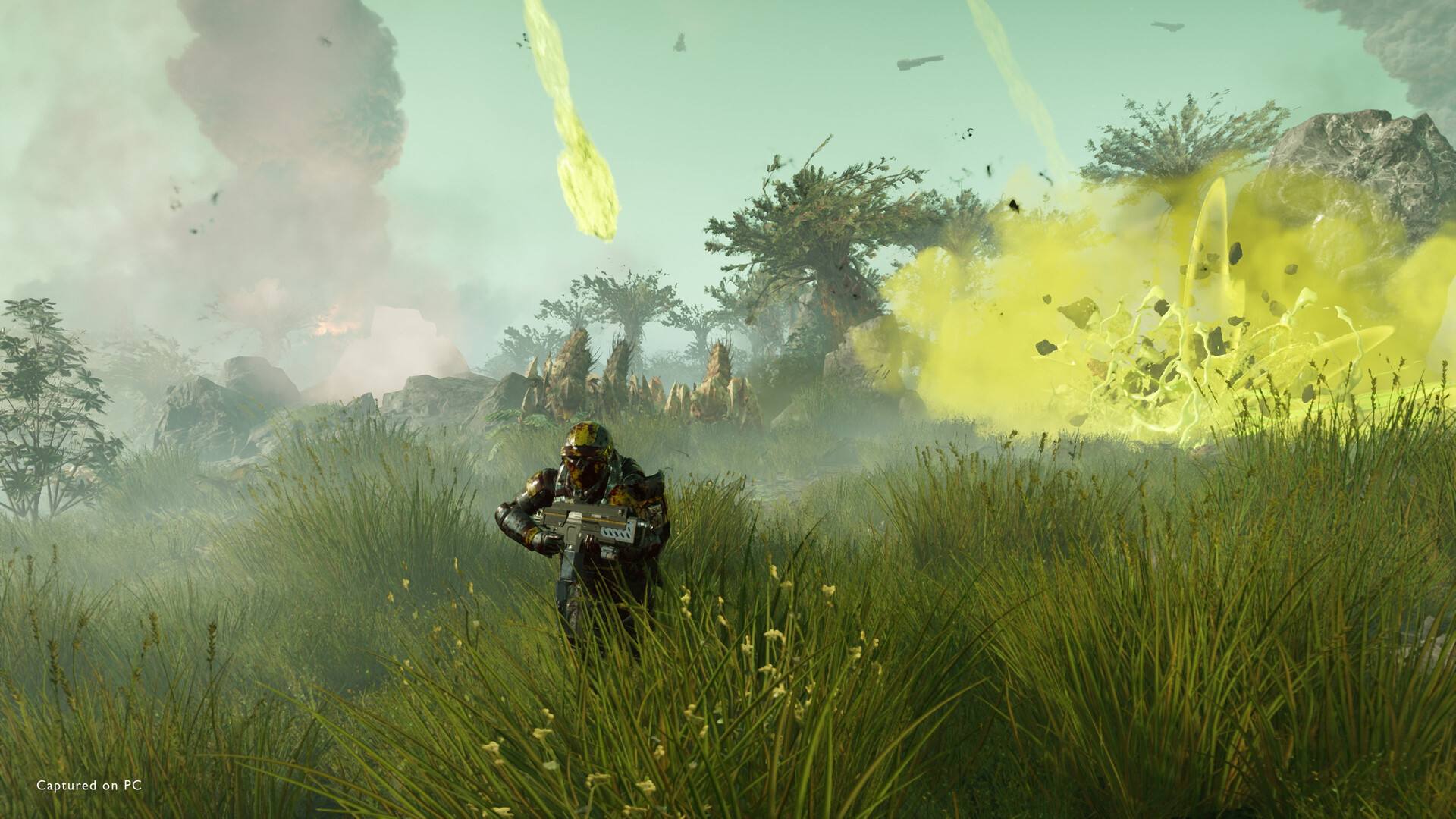
Quick Answer: Helldivers 2 FS-05 Marksman is a precise early-to-mid-game marksman-style pick for players who want safer headshots, cleaner target priority, and better long-range control while learning mission flow, stratagem timing, and squad positioning.
What The FS-05 Marksman Is For
The Helldivers 2 FS-05 Marksman is best used as a disciplined accuracy tool for players who want to punish weak points from a safer range. It shines when you are learning how to read patrols, isolate priority enemies, and avoid dumping ammo into armor you cannot realistically break on your own. In practice, that means it feels strongest in missions where you can keep your distance, hold an angle, and help your squad finish off targets before they get messy.
This kind of weapon setup fits a new Helldiver who is still building map awareness. For example, if your squad is pushing an Automaton base and a Devastator appears at the edge of the fight, a marksman-oriented playstyle lets you deal with the problem before it reaches your line. The same logic applies against Terminid swarms when you need to cut down smaller threats or delete a dangerous bug that is straying into open ground. It also teaches a skill that carries through the whole game: hit the right target first, not the closest one.
That matters because Helldivers 2 is a squad game built around pressure, timing, and chaos. The game is described as a fast, frantic, and ferocious third-person shooter on Steam, and that is accurate to how it feels moment to moment Source. A marksman approach gives beginners a little breathing room inside that chaos. You are still expected to move, call stratagems, and support the team, but you are doing it from a position of control instead of panic.
A useful mindset is to treat the FS-05 Marksman as a training wheel for battlefield discipline, not a solo carry tool. It rewards patience, but it punishes tunnel vision. If you fire it into armored plates, miss moving targets, or stand too close to the front line, you lose the benefit very quickly. If you use it to finish wounded enemies, peel off snipers, and stabilize fights before they spread, it becomes a real force multiplier.
First-Hour Checklist
Your first hour should be spent unlocking mission flow, learning enemy tells, and building a loadout that keeps you alive long enough to practice the FS-05 Marksman properly. The biggest mistake beginners make is jumping into random operations without a plan, then blaming the weapon for problems that are really about positioning and panic. The fix is to spend the opening hour on a short, repeatable routine.
Start With These Actions
- Run the tutorial and pay attention to stratagem input timing, not just movement.
- Play lower-difficulty missions first so you can observe enemy behavior without constant collapse.
- Test the FS-05 Marksman on isolated targets before using it in a full swarm.
- Practice calling one offensive stratagem and one defensive stratagem every mission.
- Extract even on imperfect runs so you learn mission completion flow, not just combat.
- Rebind controls only after you understand which actions feel awkward in live play.
Those steps matter because Helldivers 2 has a long learning curve hidden inside simple systems. HowLongToBeat lists roughly 32.43 hours for the main story, 65.01 hours with extras, and 89.29 hours for completion Source. That is not a strict guide to the first hour, but it is a useful reminder: the game is much bigger than the first few missions, and early habits stick. A clean opening hour saves you from spending the next several sessions unlearning bad habits.
What To Do In Actual Missions
Pick mission types with clear objectives and manageable fights. Search-and-destroy style operations, sample collection runs, and simple extract missions are better for practice than high-pressure objectives where the whole map can snowball. Use the FS-05 Marksman to break smaller threats at range, then rotate closer only when your squad has control. Example scenarios include picking off a lone Automaton Trooper before it alarms the base, deleting a Pouncer before it reaches the team, or finishing a weakened Heavy Devastator after your ally strips attention away from it.
In your first hour, also learn what not to fight. If a target is armored enough that the FS-05 Marksman is doing tiny, unrewarding damage, do not keep insisting on the duel. Swap to stratagem support, reposition, or let a teammate handle the armor while you clear the supporting units. That habit turns a beginner into a useful teammate much faster than trying to be the main damage source in every engagement.
First-Hour Focus
| Focus | What to Learn | Good Example |
|---|---|---|
| Aim discipline | Weak-point targeting and trigger control | Headshots on Troopers |
| Survival | When to disengage | Backing off from a Charger pack |
| Squad support | Playing for team tempo | Covering a teammate while they call a stratagem |
| Mission flow | Objective, extract, repeat | Completing a simple retrieval mission |
| Loadout behavior | What the FS-05 Marksman can and cannot handle | Finishing light targets, not brute-forcing armor |
If you complete those basics, the rest of the game starts to make sense faster. You will also feel the difference between “my weapon feels weak” and “my positioning is weak,” which is one of the biggest beginner breakthroughs in Helldivers 2.

You might also like
- Helldivers 2 Available Platforms Updated 3/7/2024 See all the available platforms and consoles for Beginner Guide
- Helldivers 2 Why Now May Be the Perfect Time for a New Enemy Faction
- Helldivers 2 Reviewed by Game878Helldivers 2Read Full Review Story5Gameplay9Visuals9Audio8Value forMoney8 Beginner Guide
- Helldivers 2 How to Destroy Fuel Silos and Stockpiled Ammunition
- Helldivers 2 How to Fix Stuck in Drop Pod Bug
Resource Priority Order
Your resource priority should favor survival, mission reliability, and account-wide progression over flashy unlocks that look stronger but do not help you finish missions yet. Helldivers 2 rewards steady progression, and beginners get more value from broad utility than from chasing a single cool upgrade path too early.
Spend First On Reliability
- Unlock stratagems that help you survive bad fights.
- Upgrade ship modules that improve core squad value.
- Save Super Credits for Warbonds that give practical gear, not cosmetic distractions.
- Spend Requisition Slips on tools that fit most mission types.
- Hold onto samples until you can meaningfully improve ship systems.
- Avoid spreading resources across too many niche options at once.
The reason for this order is simple: the strongest early progression is the one that reduces mission failure. A new player who can stabilize a fight, revive a teammate, and extract consistently gets more long-term value than someone who bought a niche weapon they can barely use. This is especially true when using a precision weapon like the FS-05 Marksman, because that style depends on having enough support tools to cover its weak points.
What Each Resource Should Do For You
| Resource | Early Priority | Why It Matters | Good Beginner Use |
|---|---|---|---|
| Requisition Slips | High | Unlocks practical stratagems | Resupply, support weapons, area control |
| Samples | High | Improves ship modules | Boosts squad-wide performance |
| Medals | High | Progresses Warbond unlocks | Opens gear that changes loadout options |
| Super Credits | Medium-High | Unlocks Warbond access or cosmetics | Save for useful gear tracks |
| Common and rare progression currency | High | Helps broaden build choices | Invest in reliable mission tools |
| Time and mission attempts | Highest | Teaches execution and pacing | Repeating manageable missions for consistency |
A good rule is to spend on tools that help every mission, not just the ones where the FS-05 Marksman feels comfortable. That means supportive stratagems, defensive options, and upgrades that improve your margin for error. A beginner who can retreat safely, reinforce efficiently, and complete objectives without panic is progressing faster than a beginner who is overfitted for one preferred gun.
What To Hoard
You should hoard resources when you have not yet identified your preferred role. Do not rush into specialized unlocks just because they look powerful on paper. In the current meta, the most important question is whether an unlock helps you complete missions more consistently. If the answer is no, it can wait. This is especially true with weapon choices that require precise aim or good team coordination, because those tools become stronger as your fundamentals improve.
A practical example is this: if you can already survive with the FS-05 Marksman and one dependable stratagem, then your next resource spend should go toward something that covers a weakness, such as crowd control or armor pressure. If you are still dying to basic patrols, spend on stability first. That way, every later unlock has a better foundation.
Common Mistakes
Beginners usually fail with the FS-05 Marksman for the same handful of reasons: they overstay in bad positions, waste shots on the wrong targets, and assume precision alone can replace team support. The weapon is strong when it is used as part of a plan, but it gets punished quickly when you try to play it like a general-purpose spray tool.
The Most Common Problems
Standing too close to the front line: New players like the feeling of pressure and end up fighting inside the danger zone.
Fix: Stay one layer behind the brawlers and angle your shots around their push.Shooting armored targets without a plan: Beginners often keep firing at armor because they do not want to “waste” a target.
Fix: Break off, ping the threat, and call a stratagem or teammate to handle the armor.Ignoring patrol routes: Players get focused on the next objective and walk straight into a reinforcement chain.
Fix: Pause before entering open ground, watch patrol movement, and clear isolated enemies first.Using the FS-05 Marksman like a panic weapon: People fire too quickly under stress and miss the weapon’s real value.
Fix: Slow your trigger rhythm, take the clearer shot, and disengage if visibility is bad.Forgetting the squad role: A beginner may try to do everything personally, including crowd control, armor break, and objective soloing.
Fix: Build your turn around one job at a time: support fire, target removal, or objective cover.Holding position after the fight is lost: New players often stay in the same spot until they are overwhelmed.
Fix: Rotate early, even if that means abandoning a “good” firing lane.
These mistakes show up in both enemy factions. Against Automatons, a new player may keep peeking the same lane and get deleted by return fire or a stronger unit. Against Terminids, the mistake is often slower but just as fatal: a player keeps trying to snipe while the frontline collapses, then gets surrounded when the swarm closes the gap. The FS-05 Marksman is not the problem there; the missed timing is.
A simple correction is to use a “shoot, move, reassess” loop. Fire a few controlled shots, move to a new angle, and check whether the squad has advanced or fallen back. That rhythm keeps you alive and makes your shots matter more. It also forces you to learn when the map is safe enough to keep using the marksman approach and when you need to swap to a more aggressive support pattern.
Pro Tips
The FS-05 Marksman becomes much better once you stop thinking only about damage and start thinking about battlefield shaping. Good Helldivers use precise weapons to control where enemies can safely stand, which enemy gets to act, and how much room the squad has to breathe.
Tip 1. Fire Before The Enemy Fully Commits
Start shooting when a dangerous enemy enters your lane, not when it reaches melee range. This is especially useful on Automaton units that advance in a straight line and on Terminids that break from the pack. You want to create staggered pressure early so your squad has time to reposition.
Tip 2. Pair The Weapon With One Panic Button
Carry one stratagem that can rescue a bad situation, such as a defensive strike, turret, or emergency support option. The FS-05 Marksman is strongest when it does not have to solve every problem alone. If you miss a target or a patrol turns into a swarm, your panic button keeps the run alive.
Tip 3. Learn Which Targets Are Worth Your Time
Prioritize the enemies that create extra problems, not the ones that merely exist. A single support unit, sniper, or high-value threat is often a better shot than a low-value mob target. For example, removing an enemy that can call reinforcements is often more important than finishing the last weak enemy in a group.
Tip 4. Use Terrain To Reduce Incoming Angles
Fight from ridges, corners, and broken sightlines whenever possible. The marksman style gets much stronger when enemies have to approach through a narrow route. That is especially useful when your squad is extracting, defending an objective, or crossing open ground where multiple patrols could intersect.
Tip 5. Treat Misses As Positioning Feedback
If you keep missing, do not only blame aim. Missing often means your position is wrong, your target is too mobile, or your team has moved the fight too close. Adjust the angle, wait half a beat, and take the shot when the lane opens. That habit improves consistency faster than pure mechanical grinding.
Tip 6. Reload With Intent
Reload during lulls, after a clean kill, or while moving to a safer angle. Do not wait until the fight is already breaking. A precision weapon feels much better when you reload proactively, because you preserve control instead of entering a desperate empty-magazine state.
Tip 7. Use The Marksman To Buy Breathing Room
When a teammate is reviving someone, calling an objective action, or trying to stabilize a defense, use the FS-05 Marksman to remove the most disruptive enemy in the area. That is where this playstyle pays off in squads: not by topping a damage chart, but by making the next 10 seconds easier for everyone else.
Graduation Threshold
You are out of the beginner phase when you can clear missions without relying on panic, guesswork, or constant revives. At that point, the FS-05 Marksman is no longer just a comfortable learning tool; it becomes one option inside a real build decision. You have graduated when your decisions start looking intentional rather than reactive.
Signs You Have Moved Past Beginner Play
- You can identify priority targets in a fight before the squad tells you.
- You know when to keep holding the angle and when to rotate.
- You can use at least one offensive and one defensive stratagem without fumbling the timing.
- You understand which enemies the FS-05 Marksman handles well and which ones require support.
- You complete missions consistently on your chosen difficulty without feeling carried.
- You can explain why you died, not just that you died.
That last point is the real threshold. Once you can describe the mistake, you can fix it. Maybe you stayed too close to the objective. Maybe you stopped moving while reloading. Maybe you chose the wrong target and let a stronger enemy free up the fight. Once you can name the cause, your runs improve quickly.
For many players, the jump out of beginner status comes when they stop using the FS-05 Marksman as a comfort item and start using it as a role tool. You are then making real decisions about whether your squad needs more weak-point pressure, more crowd control, or more armor answer. That is the point where you are no longer learning just the gun. You are learning mission leadership.
A practical benchmark is consistency across different mission types. If you can bring the marksman setup into a base clear, a moving objective, and an extraction defense without feeling lost, you are past the onboarding stage. At that point, your next improvement comes from refining build synergy, not from simply getting used to the game.
Related Guides
These are the next articles that naturally follow this beginner guide and help you build out a stronger Helldivers 2 setup.
- Helldivers 2 Best Early Weapons Guide
- Helldivers 2 Stratagem Priority Guide
- Helldivers 2 Difficulty Progression Walkthrough
- Helldivers 2 Armor and Mobility Guide
- Helldivers 2 Sample Farming Guide
- Helldivers 2 Warbond Unlock Guide
Sources
- https://store.steampowered.com/app/553850/
- https://howlongtobeat.com/?q=helldivers2
- https://www.metacritic.com/game/helldivers-2
- https://store.steampowered.com/app/553850/
- https://steamcommunity.com/stats/553850/achievements
- https://steamspy.com/app/553850
- https://www.protondb.com/app/553850
- https://api.steambase.io/games/553850
See also
- Helldivers 2 Beginner Guide: Start Strong, Spend Smart, and Survive the Early War
- Helldivers 2 Super Earth issued Tool Rack Beginner Guide
- Helldivers 2 How to Get the EX-03 Prototype 3 Armor Set
- Helldivers 2 Battle Pass Guide: How to Progress Warbonds
- Helldivers 2 Beginner Guide: Smart First Steps, Resources, and Common Mistakes
- Helldivers 2 New Heart of Democracy Missions Beginner Guide
- Helldivers 2 Beginner Guide
- Helldivers 2 How to Get and Use the Anti-Materiel Rifle
- Helldivers 2 How to Use the Safe and Unsafe Railgun Modes
- Helldivers 2 All You Need To Know: Beginner Guide
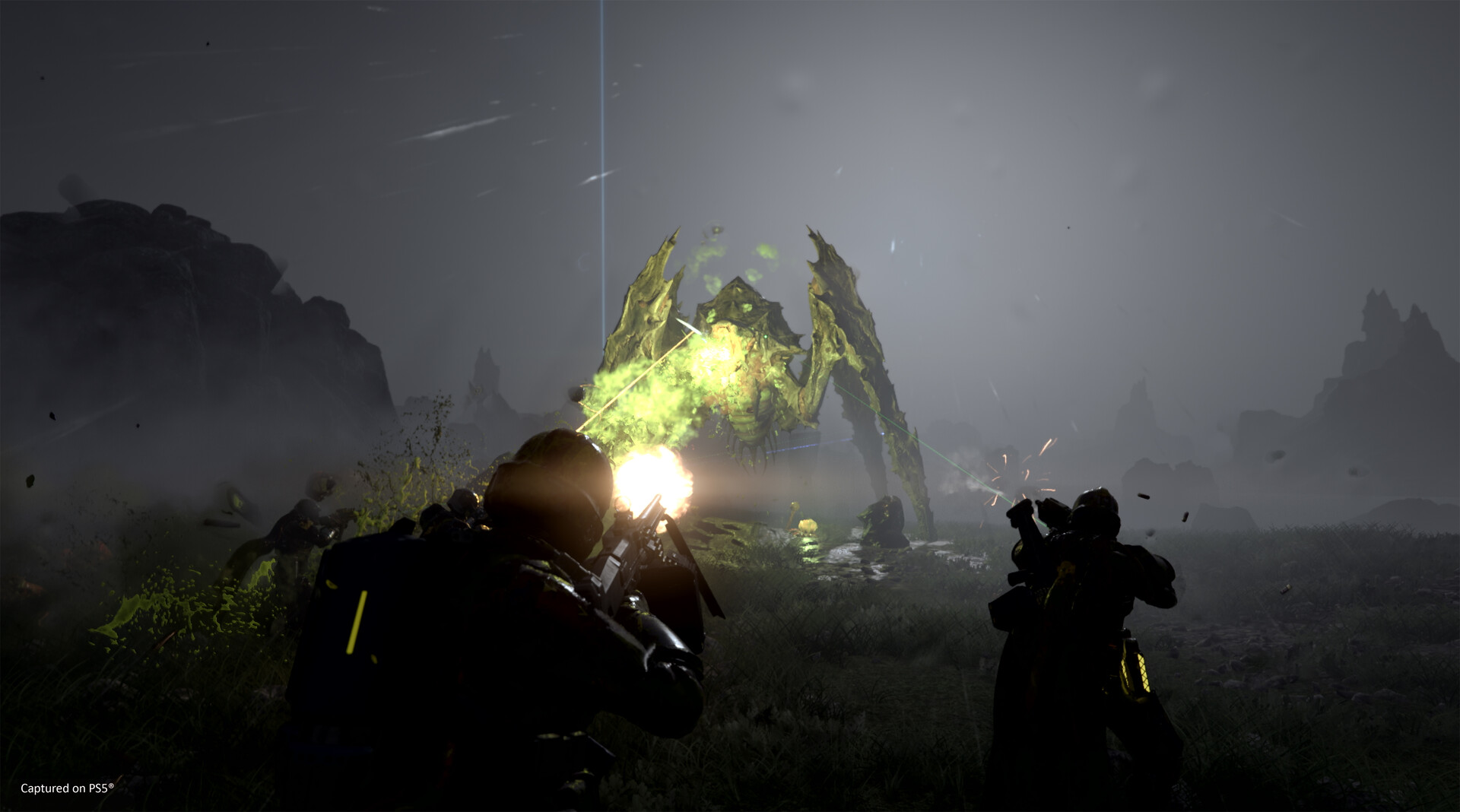
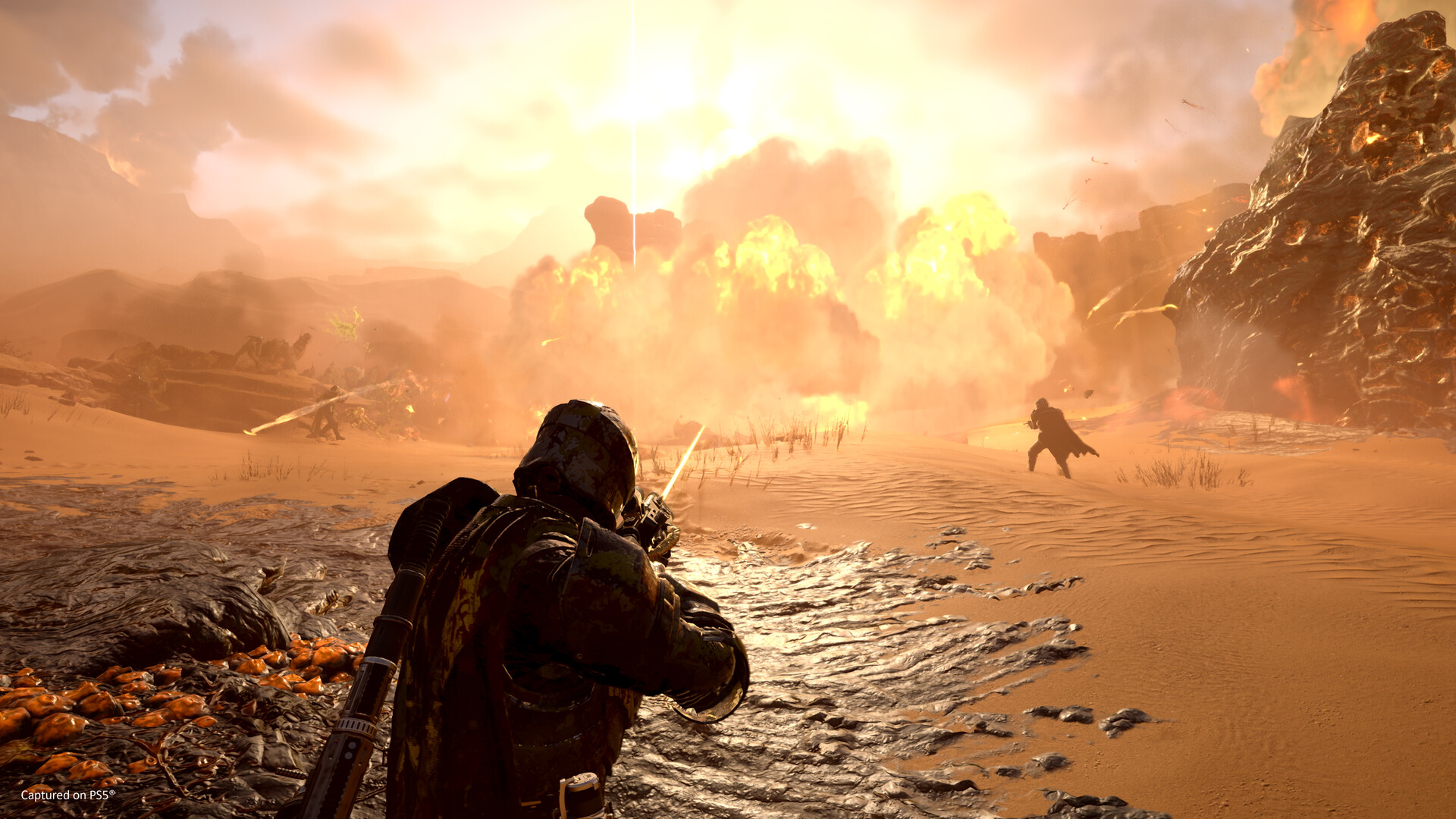
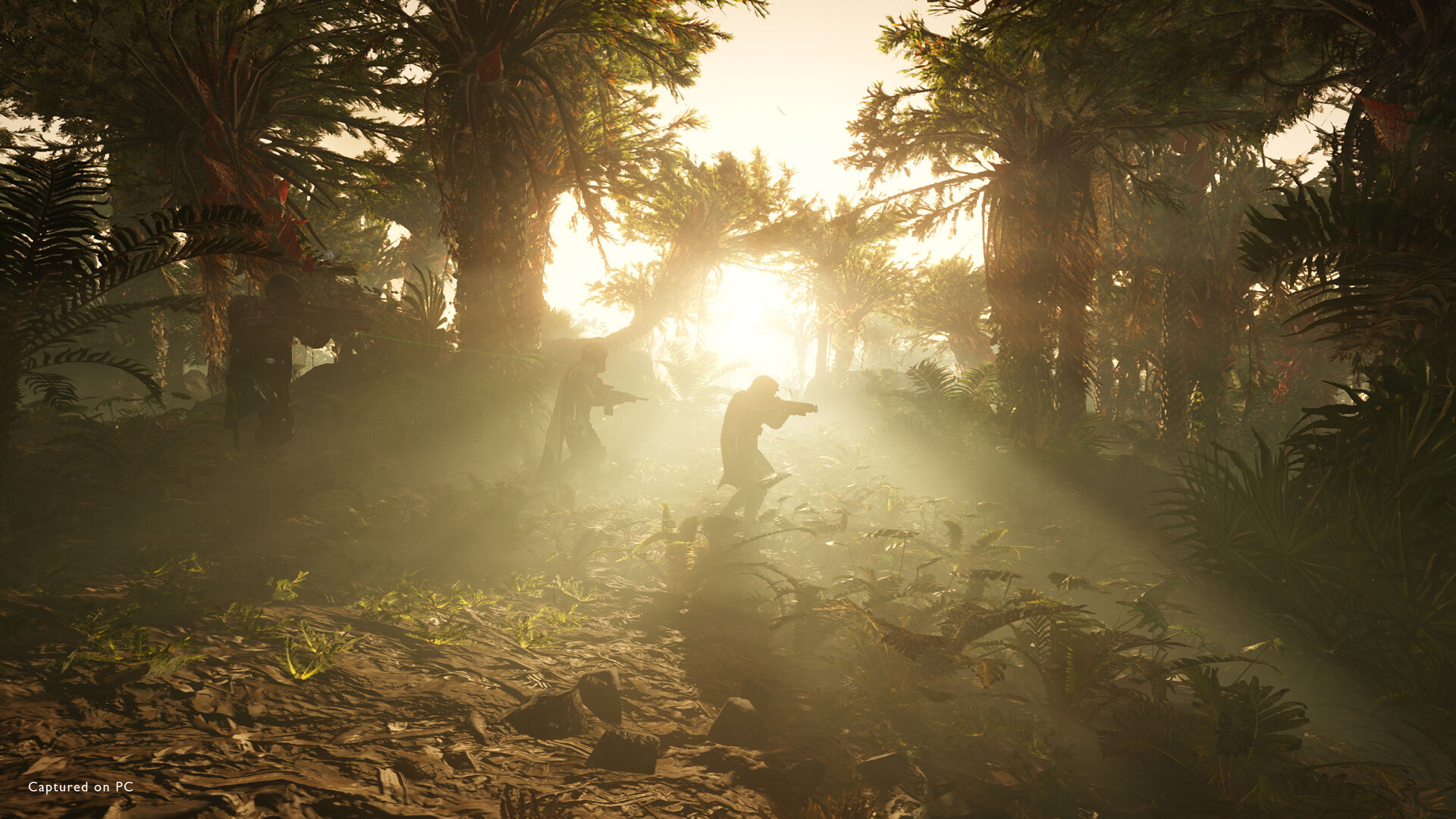
Screenshots

Reviewed by
HD2 Guides Editorial
Expertise: Editorial team behind HD2 Guides. Content is compiled from official patch notes, community wikis, and playthrough notes, then reviewed and updated on schedule.
Sources
Helldivers 2 Missions Guides →
Browse the complete missions collection and its focused guides.
Related Guides
🔥 Popular Guides
Helldivers 2 helldivers 2 warhammer 40k collaboration update Patch Notes Explained
Helldivers 2’s Warhammer 40K crossover adds Castellan’s Creed, new weapons, armor, enemies, missions, SEAF allies, and more.
Helldivers 2 super helldive achievement guide
Achievement guide for Helldivers 2 covering rare trophies, hidden requirements, missable timing, and a full Super Helldive completion route.
HELLDIVERS™ 2 all achievements: complete achievements guide
Full Helldivers 2 achievements guide with rarest trophies, hidden unlocks, missables, and a 100% completion route.
Helldivers 2 patch notes 7.0.2: What changed in the Void update era
What changed in Helldivers 2 patch notes 7.0.2, including new Illuminate threats, SEAF support, the level cap increase, and squad action items.
📋 Patch Notes & Updates
🛠️ Popular Tools
Was this guide helpful?
Rate this guide so we can improve it.
Share your own tip
Found something not in the guide? Submit it below — our editors review every tip before publishing. No account required.