 Helldivers 2
Helldivers 2 FS-23 Battle Master Beginner Guide
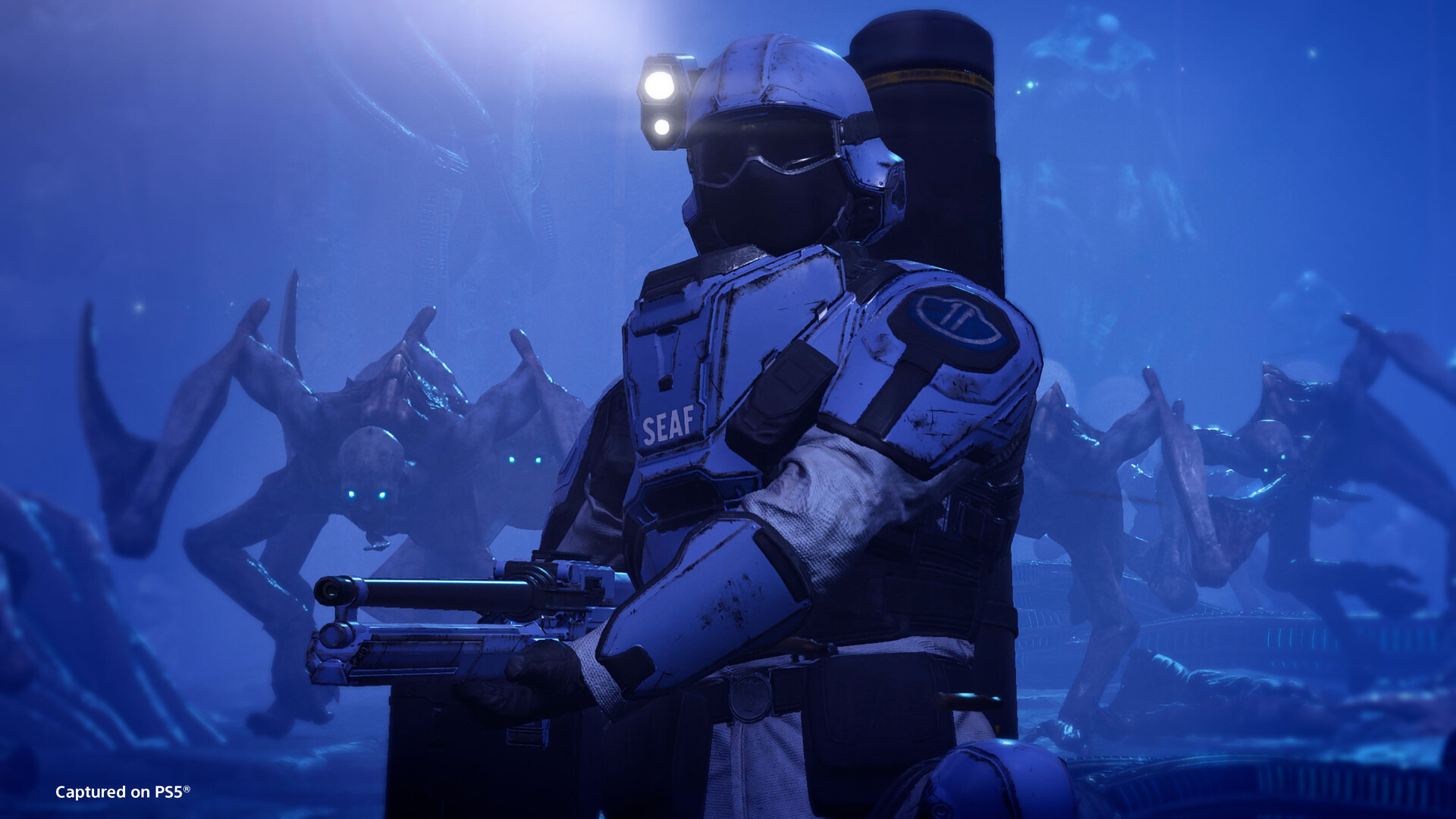
Quick Answer: Helldivers 2 FS-23 Battle Master is best treated as an early armor choice for players who want stronger frontline survivability while learning mission flow, stratagem timing, and squad positioning in a chaotic co-op shooter.
What Helldivers 2 FS-23 Battle Master Is
Helldivers 2 FS-23 Battle Master is a defensive armor option that fits beginners who keep getting deleted while they are still learning how missions, stratagems, and friendly fire actually work. In practice, it is the kind of kit you reach for when your hands are doing three jobs at once: staying alive, calling support, and not dropping a laser on your teammate’s head.
Helldivers 2 itself is a cooperative third-person shooter developed by Arrowhead Game Studios and published by Sony Interactive Entertainment, released in 2024 Source. The pitch is simple enough: you drop into hostile planets, complete objectives, extract, and try to keep the squad from turning into a cautionary tale. Steam describes it as “The Galaxy’s Last Line of Offence” and frames it as a fast, frantic, ferocious shooter about fighting for freedom across a hostile galaxy Source.
For a beginner, the FS-23 Battle Master matters less as a flashy “best in slot” badge and more as a stabilizer. It helps when you are still learning why bugs, bots, and your own stratagems are all equally eager to ruin your day. If you are coming from lighter shooters, this armor gives you room to make mistakes while you build the habits that actually matter: moving with the squad, using cover, and not panic-throwing stratagems into a teammate’s evac path.
It is also worth keeping perspective on the game’s scale. HowLongToBeat currently reports roughly 32.43 hours for the main story, 65.01 hours with extras, and 89.29 hours for completion Source. That is a good reminder that Helldivers 2 is not a “learn everything in one evening” game. The beginner phase lasts long enough that a reliable armor pick like the FS-23 Battle Master can save you a lot of frustration while your game sense catches up.
First-Hour Checklist
Your first hour should focus on unlocking the core loop, learning one loadout, and making one successful extraction instead of trying to be a hero in every firefight. The biggest beginner mistake in Helldivers 2 is treating the first few missions like a loot race; the real goal is to learn how to survive long enough to complete objectives.
1. Finish the tutorial and test every core input
Start by completing the training mission, then immediately practice the controls in a low-stakes operation. You want the basics to become automatic: movement, aiming, calling stratagems, and reinforcing teammates. Try a mission where you can safely test the difference between a primary weapon, a support weapon, and a stratagem call-in. For example, compare how the AR-23 Liberator feels against a support weapon call like the MG-43 Machine Gun or an orbital strike. The point is not damage numbers. The point is to learn what each tool is for before the screen becomes fireworks and regret.
2. Pick one primary role and stick to it
In your first hour, choose one simple job and stay with it. Good beginner roles include:
- Objective runner: focus on terminals, radar, and mission items.
- Crowd clearer: use grenades, orbitals, and AoE tools on swarms.
- Support anchor: stick near allies and bring ammo, resupply, or revive tools.
If you are using Helldivers 2 FS-23 Battle Master, the role that fits best is usually “support anchor that can still survive a bad angle.” Wear the armor, stay near cover, and avoid charging ahead just because you feel sturdy. A durable beginner who stays with the squad is worth more than a flashy solo player who dies five meters from the objective.
3. Spend early resources only on flexibility
Your earliest currencies and unlocks should go into options that broaden your choices, not vanity picks. Unlock tools that help in many mission types: a reliable primary, a basic support weapon, and a couple of stratagems for anti-armor and crowd control. Test them on common mission types like bug eradication, bot infiltration, and objective-heavy operations. If a choice only helps one niche scenario, leave it for later.
4. Run at least one mission with randoms
Helldivers 2 is built around squad chaos, so the first hour should include at least one public mission. Watch how better players move between objectives, when they use pings, and how often they retreat instead of standing in the open like they are paying rent there. Even a messy match teaches useful habits. For beginners, the lesson is often painfully simple: stay close, reinforce quickly, and do not waste stratagems on one scavenger when ten more are coming.
5. Extract once, even if the mission feels ugly
Your first solid win is not “perfect kills.” It is a completed objective chain and a successful extraction. If the mission is getting away from you, lower the ambition and finish what matters. In Helldivers 2, a partial success with samples and medals beats a glorious pile of bodies and an empty shuttle. That is also where armor like the FS-23 Battle Master earns its keep: it gives you a little more forgiveness while you learn when to push and when to bail.
You might also like
- Helldivers 2 Why Now May Be the Perfect Time for a New Enemy Faction
- Helldivers 2 Beginner Guide: Start Strong, Spend Smart, and Survive the Early War
- Helldivers 2 How to Get the EX-03 Prototype 3 Armor Set
- Helldivers 2 How to Use the Safe and Unsafe Railgun Modes
- Helldivers 2 Beginner Guide: Smart First Steps, Resources, and Common Mistakes
Resource Priority Order
Your resource priority should be medals first, then practical unlocks, then long-term upgrades, while Super Credits and samples should be spent with more restraint. Beginner progression in Helldivers 2 moves fastest when you avoid scattering resources across too many cute ideas.
Here is a clean priority order that works well for new players:
| Priority | Resource | Spend on first | Why it matters |
|---|---|---|---|
| 1 | Medals | Core Warbond unlocks that improve your survival and mission control | Medals buy immediate power and flexibility |
| 2 | Requisition Slips | Useful stratagems you can bring into many missions | These shape your loadout more than raw stats |
| 3 | Samples | Ship module upgrades that strengthen your whole account | Samples scale well over time |
| 4 | Super Credits | Warbond access or key premium unlocks | Good value, but easy to waste on vanity choices |
| 5 | Credits on cosmetics-like priorities | Armor or weapons that fit your current role | Only after your core kit is stable |
The practical version is easier than the table sounds. Medals should usually go to the unlocks that improve your ability to live through mistakes and complete objectives. If you are running the FS-23 Battle Master, that means pairing it with tools that support a durable front line: a dependable primary, a way to handle armor, and a stratagem set that does not collapse the moment a Charger or Hulk shows up.
Samples are the long game, so do not burn them on upgrades that sound fun but barely change how you play. A ship module that improves your stratagem economy or call-in consistency usually beats a niche perk that only matters once in a blue moon. The same logic applies to Requisition Slips: get the stratagems that solve common problems first. Examples include anti-armor options, resupply support, and flexible offensive calls that work across bot and bug missions.
Super Credits deserve special care because they are the easiest beginner resource to waste. The current patch environment has also made players more sensitive to anything that touches premium progression, so it is even more important to spend them intentionally. If a Warbond page gives you a choice between a weapon that fixes a real weakness and a shiny item that just looks expensive, take the useful one. That is the boring answer, but boring answers are why squads survive extraction.
Two useful resource habits for beginners:
- Bank samples until you can buy an upgrade that benefits your usual mission type.
- Use medals to round out your kit, not to chase every cosmetic branch in sight.
If you want one simple rule, use this: spend for consistency first, variety second, style last. Helldivers 2 rewards players who can repeat a working plan under pressure, not players who collect six half-finished plans and hope one becomes a personality.
Common Mistakes
New players make the same mistakes in Helldivers 2 because the game looks louder and simpler than it actually is. The fix is rarely “play better” in the abstract; it is usually one concrete habit change.
1. Running ahead of the squad
Players do this because moving fast feels productive, and a lot of early missions seem like you should sprint from objective to objective. The fix is to move at the pace of the slowest useful player, not the fastest impatient one. Stay within reinforcement distance, use pings, and check that at least one teammate can cover your retreat.
2. Treating stratagems like panic buttons
This happens because stratagems are exciting, powerful, and very easy to throw badly. The concrete fix is to pre-plan your call-ins before contact. For example, save an airstrike for a choke point, use an orbital on grouped enemies, and reserve support drops for lulls between waves. If you are wearing Helldivers 2 FS-23 Battle Master, you can afford to wait a second longer and place the call correctly instead of tossing it mid-stumble.
3. Ignoring armor and positioning
Beginners often think raw aim is the whole game, then wonder why they keep getting flattened by elite enemies. The fix is to use cover, vertical space, and movement discipline. Against bots, fight from angles where you are not staring down every turret at once. Against bugs, backpedal through open space instead of standing in a neat little death circle.
4. Hoarding samples and never extracting
This mistake appears when players get sample-hungry and stop respecting the mission timer. The fix is to decide early whether the run is a sample run or a completion run. If the mission is falling apart, extract with what you have. Unbanked samples help nobody.
5. Bringing a loadout that cannot answer armor
This usually happens when players build around crowd clear and forget that the game likes to spawn problem targets with a very rude health pool. The fix is to make sure your squad or your own kit covers anti-armor. Examples include a support weapon, an orbital option, or a stratagem that can punish heavy threats before they reach the objective.
6. Forgetting friendly fire exists
This mistake is common because the game is visually messy and everyone is moving at once. The fix is simple: announce danger with pings or voice, throw explosives away from extraction lanes, and never fire a support weapon across a teammate who is already engaged. In Helldivers 2, bad timing is often worse than bad aim.
Common Mistakes
These are the beginner traps worth watching for every session.
- Splitting from the squad too early: People do it to “save time,” then lose reinforcements and objective support. Fix it by sticking to a two-person minimum on harder missions.
- Using heavy ordnance in cramped spaces: It feels powerful until the blast radius deletes the team. Fix it by stepping back, marking the target, and waiting for line of sight.
- Ignoring reinforcements until after the fight: New players hold revives too long and watch the team snowball into disaster. Fix it by reinforcing as soon as the area is safe enough to land the pod.
- Chasing every enemy instead of objectives: Players get baited into endless fights because the gunplay is fun. Fix it by finishing terminals, disabling objectives, and moving on.
- Overcommitting to one weapon: A good primary is not a complete solution. Fix it by pairing your main weapon with a support option and a stratagem that handles the threats your gun cannot.
Pro Tips
These are the habits that start to matter once you can survive the basics and want to play cleaner than the average pub squad.
Tip 1. Use movement as defense, not just sprinting
When a Charger, Hulk, or heavy patrol starts closing in, the best answer is often a lateral move into cover rather than a straight retreat. A good Helldiver keeps enemies turning, which buys time for support weapons and stratagems to land properly.
Tip 2. Save one stratagem for the “oh no” moment
If your loadout includes three offensive calls, do not spend all three in the first skirmish. Keep one answer for the ugly surprise that always arrives near extraction, especially on bot missions where reinforcements can snowball fast.
Tip 3. Learn the squad’s rhythm before you improvise
If the team is already moving toward an objective, do not stop to solo-clear every patrol. Use pings, follow the route, and let the squad’s rhythm dictate pace. You will finish more missions and burn fewer reinforcements.
Tip 4. Pair the FS-23 Battle Master with a stable support answer
Helldivers 2 FS-23 Battle Master works best when the rest of your kit solves problems consistently. A durable armor choice becomes much more valuable when you also carry a dependable support weapon and a stratagem that can break heavy armor or suppress a crowded push.
Tip 5. Learn enemy behavior by mission type
Bots and bugs punish different habits. Against bots, respect sight lines and cover. Against bugs, respect spacing and mobility. If you keep trying to use the same micro-decisions in both cases, the game will happily correct you.
Tip 6. Reinforce in a safe lane, not in the middle of the mess
A reinforcement pod is useful only if the landing spot lets the returning player act immediately. Aim for a lane, edge, or flank instead of dropping your teammate directly into the same blast zone that just killed them.
Tip 7. Extract with discipline, not ego
Extraction is where a lot of otherwise good runs get sloppy. Hold your position, clear the approach, and stop chasing stragglers unless they are actually blocking the shuttle. The mission is already won when the shuttle doors close.
Graduation Threshold
You are out of the beginner phase when you can finish standard missions without relying on panic, guesswork, or constant revives. In Helldivers 2, that means you have moved from “I hope this works” to “I know why this works,” which is a much better place to be.
A good threshold is when you can do the following reliably:
- Read a mission map and predict where the ugly fights will happen.
- Build a loadout that covers anti-armor, crowd control, and survival.
- Stay near the squad without feeling glued to them.
- Reinforce teammates quickly and safely.
- Finish objectives while under pressure instead of wandering into unnecessary fights.
You will also notice that your armor choice starts to feel situational rather than desperate. That is where Helldivers 2 FS-23 Battle Master fits nicely into the graduation discussion. If you are still using it because you need the extra safety cushion, you are probably still in the beginner lane. If you are using it because you want a deliberate frontline role while you optimize the rest of your kit, you are getting close to the next step.
Another useful sign is mission comfort. When you can swap between a bug mission and a bot mission without your whole plan collapsing, you are no longer depending on luck. Same thing if you can handle a messy extraction, recover from a bad reinforcement, and still leave with samples. That is the point where the game starts feeling less like a scramble and more like controlled chaos.
The most practical graduation test is this: can you join a random squad, bring a useful loadout, understand the objective flow in the first minute, and help the team finish without being carried? If yes, you are past the beginner phase. You are still learning, obviously, because Helldivers 2 will keep finding ways to humble you, but you are no longer just surviving the tutorial layer in the wild.
Related Guides
- Helldivers 2 best early armor guide
- Helldivers 2 beginner stratagem walkthrough
- Helldivers 2 weapon tier guide
- Helldivers 2 sample farming guide
- Helldivers 2 solo vs squad basics
- Helldivers 2 mission types explained
Sources
- https://store.steampowered.com/app/553850/
- https://howlongtobeat.com/?q=helldivers2
- https://www.metacritic.com/game/helldivers-2
- https://steamcommunity.com/stats/553850/achievements
- https://www.protondb.com/app/553850
- https://steamspy.com/app/553850
- https://www.cheapshark.com/redirect?dealID=m%2FqQjo0uKy1J43MzqV%2B3wHWO4xOCNp9UMfo%2BfATGaNY%3D
See also
- Helldivers 2 How to Get and Use the Anti-Materiel Rifle
- Helldivers 2 Beginner Guide
- Helldivers 2 Beginner Guide: Xbox Launch and ODST Warbond Release Time
- Helldivers 2 Beginner Guide: Getting Started, Resources, and Early Progress
- Helldivers 2 Beginner Guide: Start Strong on Super Earth
- Helldivers 2 How to Farm Super Credits: Tips and Tricks
- Helldivers 2 How to Fix Failed to Join Game Lobby
- Helldivers 2 Beginner Guide: Early Progress, Resources, and Common Mistakes
- Helldivers 2 Tips and Tricks for Getting Started
- Helldivers 2 How to Get the CM-17 Butcher Armor Set
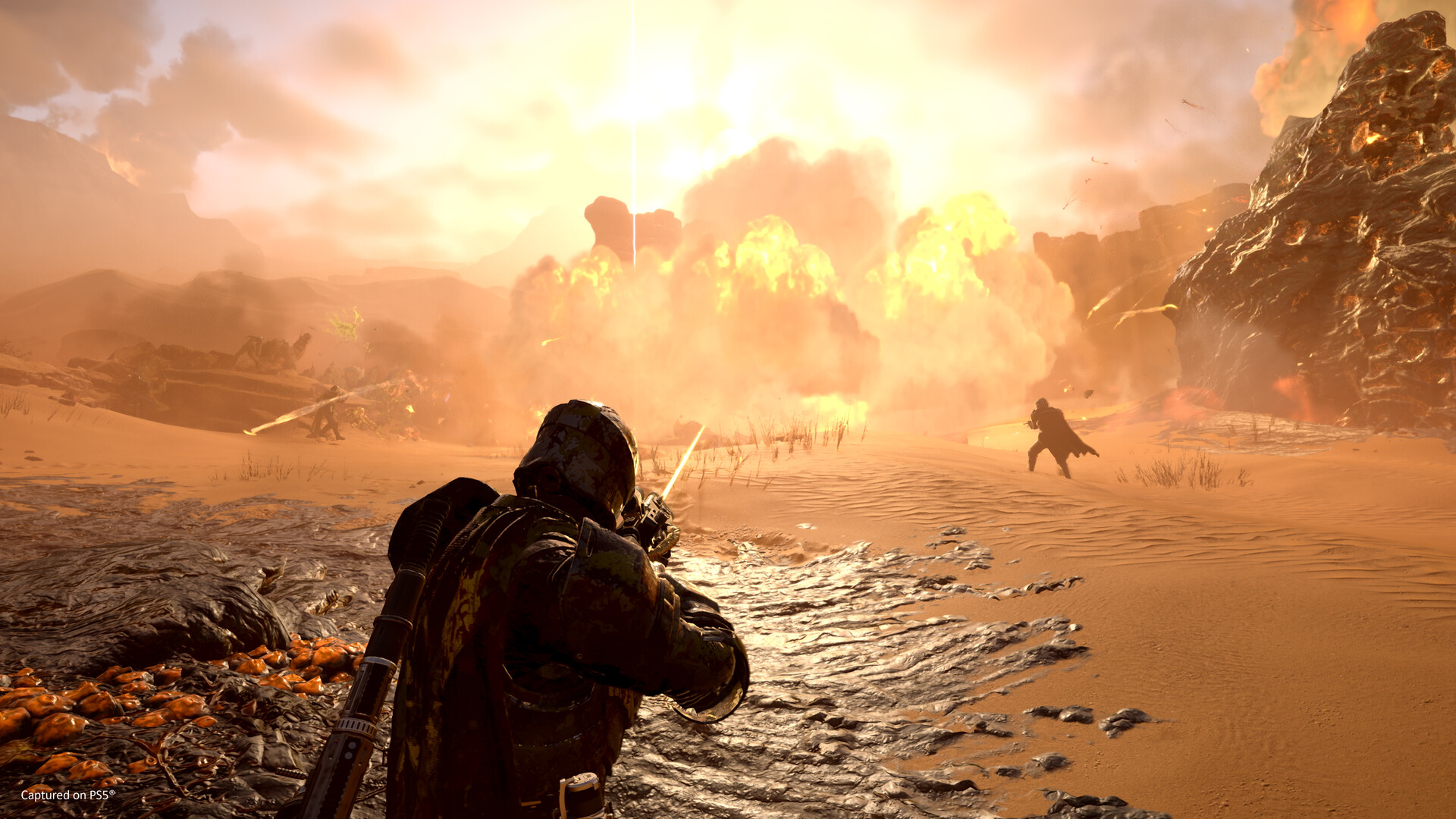
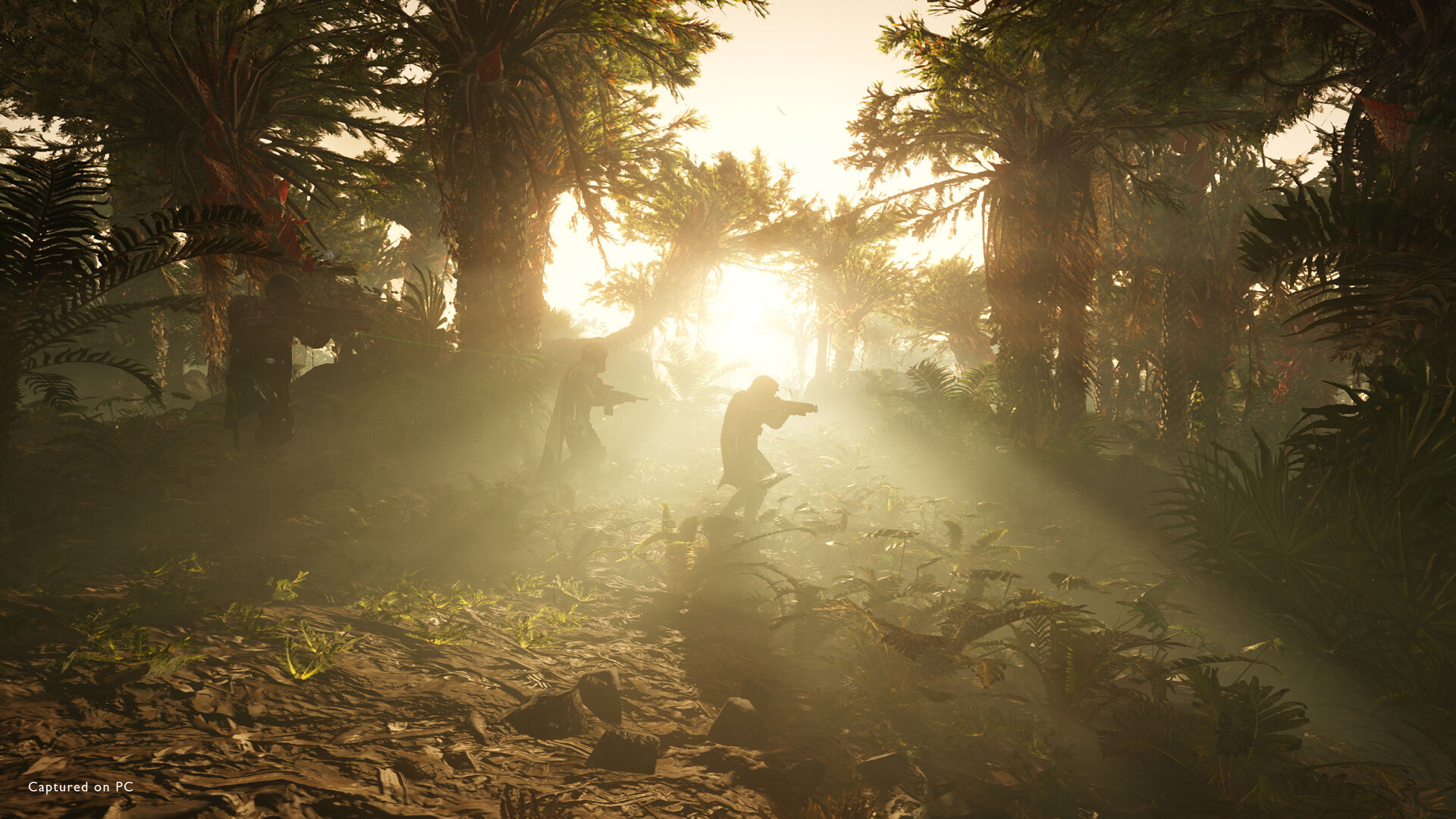
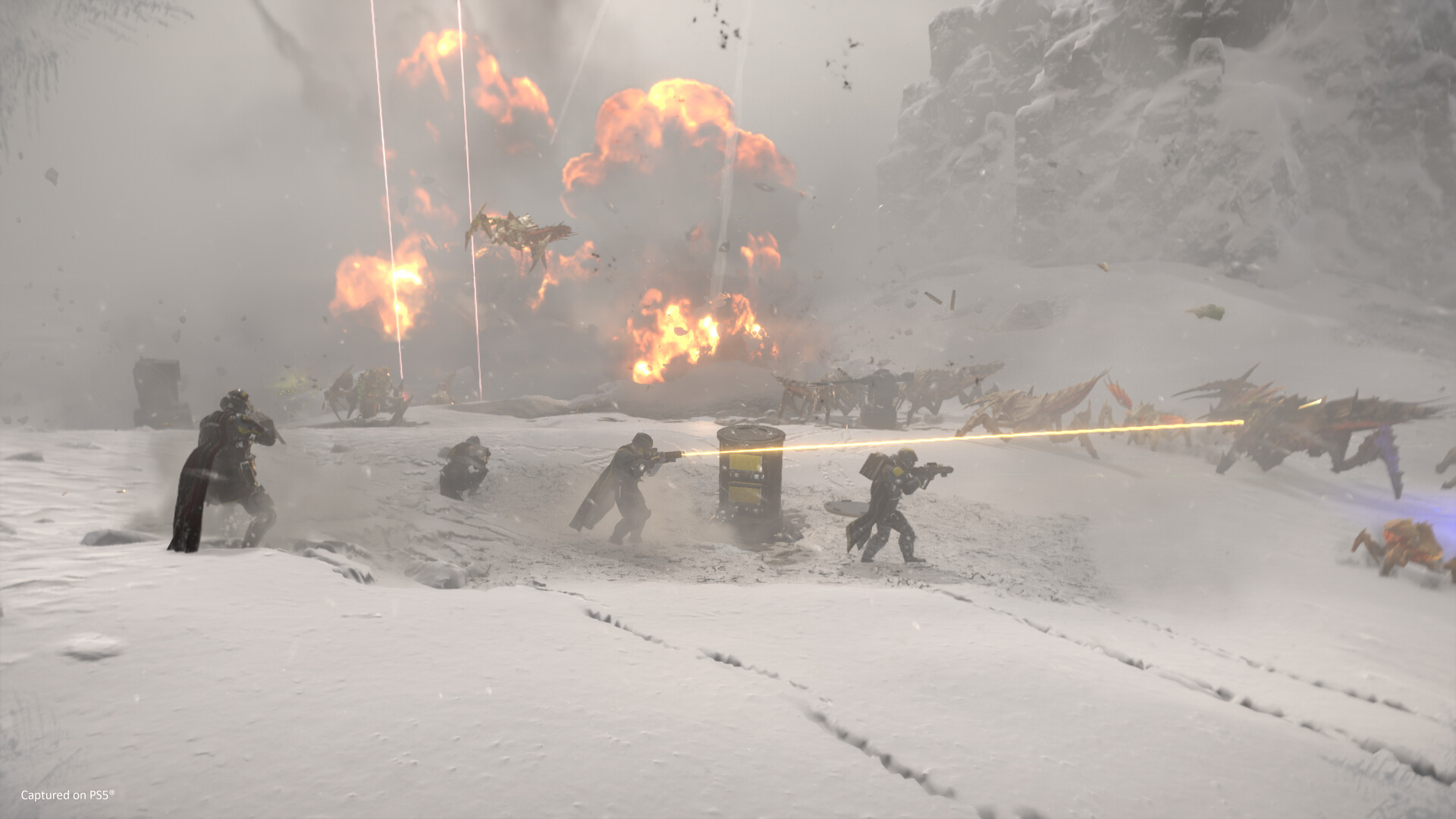
Screenshots

Reviewed by
HD2 Guides Editorial
Expertise: Editorial team behind HD2 Guides. Content is compiled from official patch notes, community wikis, and playthrough notes, then reviewed and updated on schedule.
Sources
Helldivers 2 Missions Guides →
Browse the complete missions collection and its focused guides.
Related Guides
🔥 Popular Guides
Helldivers 2 helldivers 2 warhammer 40k collaboration update Patch Notes Explained
Helldivers 2’s Warhammer 40K crossover adds Castellan’s Creed, new weapons, armor, enemies, missions, SEAF allies, and more.
Helldivers 2 super helldive achievement guide
Achievement guide for Helldivers 2 covering rare trophies, hidden requirements, missable timing, and a full Super Helldive completion route.
HELLDIVERS™ 2 all achievements: complete achievements guide
Full Helldivers 2 achievements guide with rarest trophies, hidden unlocks, missables, and a 100% completion route.
Helldivers 2 patch notes 7.0.2: What changed in the Void update era
What changed in Helldivers 2 patch notes 7.0.2, including new Illuminate threats, SEAF support, the level cap increase, and squad action items.
📋 Patch Notes & Updates
🛠️ Popular Tools
Was this guide helpful?
Rate this guide so we can improve it.
Share your own tip
Found something not in the guide? Submit it below — our editors review every tip before publishing. No account required.