 Helldivers 2
Helldivers 2 Captain's Log: Beginner Guide
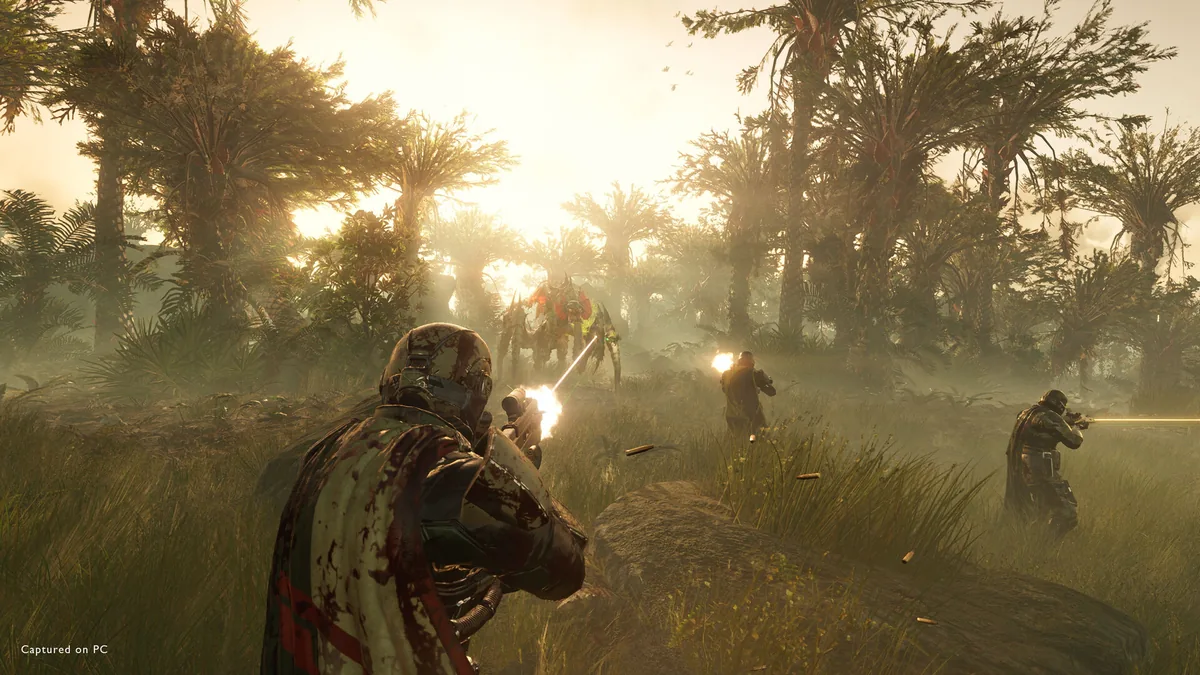
Quick Answer: Helldivers 2 Captain's Log is a beginner guide to learning the early game loop, choosing upgrades wisely, avoiding common squad mistakes, and reaching the point where you can handle higher difficulties with confidence.
First-Hour Checklist
Your first hour should focus on unlocking the core loop: a few missions, a usable stratagem set, and a clear sense of how the game expects you to fight. Helldivers 2 is built around short, high-pressure operations rather than long leveling grinds, so the best early progress comes from learning mission flow, not from chasing every shiny unlock. The fastest way to waste that opening hour is to over-focus on kills and under-focus on extraction, objectives, and reinforcement timing.
Start with the opening tutorial prompts and then run a handful of low-difficulty missions on your own or with a squad. Choose missions that are simple to read at a glance, such as basic elimination, retrieval, or activation tasks. The goal is to get comfortable with calling in stratagems, moving while under fire, and using cover against enemies like Terminids and Automatons. If you can complete a mission while remembering how to reload, throw equipment, and reinforce a teammate, you are on the right track.
What to do first
- Complete the onboarding and inspect your ship menus before queueing serious missions.
- Equip one general-purpose support weapon, one defensive tool, and one mobility or extraction tool.
- Run missions on the easiest difficulty that still lets you practice stratagem timing.
- Practice throwing resupply, reinforcement, and support calls in safe space before combat starts.
- Extract even on messy runs, because finishing objectives matters more than inflating your kill count.
A useful mental model is this: your first-hour success is not measured by performance highlights, but by repeated, clean mission completion. For example, learning how a standard patrol escalates when you stay too long in one place is more valuable than dropping a perfect orbital strike once. The same is true for sample collection. Pick up Common Samples when they are nearby, but do not turn the run into a scavenger hunt. Early on, you want to build habits, not hoard every resource in sight.
It also helps to sample multiple enemy situations. One mission against Terminids teaches kiting, swarm spacing, and dealing with Chargers. Another against Automatons shows you how quickly line-of-sight, armor, and ranged fire can punish poor positioning. A third mission should be used to test a different support weapon or stratagem set, such as the MG-43 Machine Gun, Recoilless Rifle, or Eagle Airstrike. These are the kinds of first-hour experiments that make the rest of the game easier.
Finally, pay attention to the ship and mission screen prompts that introduce difficulty, objective modifiers, and reward types. Helldivers 2 is cooperative and reactive by design, so the best early habit is reading before dropping. If a mission asks for a defend-style objective, bring tools for area denial. If it is a fast strike mission, prioritize mobility and burst damage. That habit will save more time than any early unlock.
Resource Priority Order
Your resource priority should favor unlocks that improve mission consistency first, then quality-of-life upgrades, then specialized power. In practice, that means you should spend early rewards on the tools that help you survive mistakes, handle more enemy types, and contribute even when your squad is not perfectly coordinated. Helldivers 2 rewards versatile loadouts more than narrow ones at the start, because the beginner phase is mostly about learning what the game asks of you in real fights.
A good early rule is to avoid spending on the first exciting thing you see if it only helps in a narrow situation. For example, a flashy stratagem that deletes one enemy pack can feel great, but it is less valuable than a reliable option that helps you clear objectives, extract, and recover from a bad ambush. The same applies to ship modules and warbond purchases: broad utility beats niche style while you are still learning.
| Resource type | Priority | What to spend it on first | What to delay |
|---|---|---|---|
| Requisition Slips | High | Reliable stratagems that solve common problems, such as air support, anti-armor, or reinforcement utility | Narrow novelty picks that only work in one enemy matchup |
| Samples | High | Ship upgrades that improve survivability, cooldowns, or support consistency | Late-tier upgrades that only matter in optimized builds |
| Medals | Medium | Warbond pages with universal weapons, armor passives, or useful utility gear | Cosmetics and situational sidegrades |
| Super Credits | Medium | Warbond unlocks that round out your kit, especially if they solve a weakness | Impulse buys that do not improve mission success |
| Common in-game materials | High | Early upgrades and baseline progression | Holding them “just in case” with no target upgrade in mind |
A practical spending order is simple. First, make sure you have at least one dependable anti-armor answer, one anti-swarm answer, and one utility stratagem for objective work or extraction. Second, improve your ship modules when the upgrade gives a broad benefit such as better uptime, resilience, or stronger support calls. Third, use medals to move through warbond pages that unlock weapons or armor with real beginner value. A weapon like the Breaker, a support option like the Anti-Materiel Rifle, or a call-in like Eagle Airstrike can all do more for a new player than a cosmetic or a narrow tool.
You should also resist the urge to hoard everything forever. Resources in Helldivers 2 are meant to be converted into capability. If you are sitting on enough currency to unlock a meaningful module or a loadout-defining stratagem, use it. The beginner trap is saving for a future build that never arrives while continuing to fight missions with a half-finished kit. That delays learning because the game keeps compensating for weak choices instead of teaching you how strong choices feel.
The cleanest spending pattern is to keep one eye on flexibility and one eye on team utility. A new player who can bring resupply, reinforcement, and one answer to armor is already contributing. A new player who only chases damage numbers is usually depending on the rest of the squad to patch every weakness. The earlier you convert resources into self-sufficiency, the faster you exit beginner status.
You might also like
- Helldivers 2 Available Platforms Updated 3/7/2024 See all the available platforms and consoles for Beginner Guide
- Helldivers 2 similar games co op shooter deep rock galactic remnant outriders Beginner Guide
- Helldivers 2 fourth faction alternative multiple enemies planet why Beginner Guide
- Helldivers 2 Which enemy faction do you enjoy fighting in: Beginner Guide
- Helldivers 2 Why Now May Be the Perfect Time for a New Enemy Faction
Common Mistakes
Common beginner mistakes in Helldivers 2 usually come from treating it like a standard shooter instead of a team-first mission game. The failures are not usually mechanical precision problems. They are pacing, positioning, and loadout problems. Fixing them early improves every mission more than any single weapon unlock.
1. Ignoring the objective
Many new players focus on enemy kills and forget that the mission only ends when the target is completed and extraction succeeds. This happens because the combat is loud and immediate, while objectives can feel secondary at first. The fix is to check the map and mission directive every time the fight stabilizes, then move decisively toward the next objective instead of farming enemies in place.
2. Calling stratagems carelessly near teammates
Players often throw airstrikes, orbital barrages, or supply calls into crowded fights without checking friendly spacing. The reason is simple: stratagems are powerful and exciting, so people overvalue the moment and undervalue the blast radius. The fix is to call out your target area, wait for teammates to clear the zone, and use a narrower tool when the squad is bunched up.
3. Fighting every patrol
A lot of beginners shoot at every enemy group they see, which turns a manageable mission into a constant escalation chain. This usually comes from the instinct to clear the screen first and move later. The fix is to pass patrols when possible, engage only when the route requires it, and break line of sight after the main objective is done so you do not keep summoning reinforcements.
4. Taking too much gear for one job
New players often build for damage only and bring no answer to armor, no way to recover from a wipe, and no utility for objectives. That happens because early success against light enemies can give a false sense of coverage. The fix is to run a balanced loadout: one anti-swarm tool, one anti-armor tool, and one support or mobility stratagem that helps the mission rather than the kill feed.
5. Hoarding samples and dying with them
It is common to collect samples, get overconfident, and lose them during a bad push or failed extraction. Players do this because samples feel rare and therefore precious. The fix is to bank progress by extracting regularly and treating sample collection as a bonus objective, not the reason the mission exists.
6. Reviving in the wrong place
Some squads spam reinforcements into the same kill zone where the team just died. This happens because people want to get back into the fight immediately. The fix is to pause for a moment, respawn near cover or near the next objective when possible, and use the reinforcement moment to reset positioning rather than to repeat the same mistake.
A beginner who avoids these errors will look dramatically better without changing raw aim. That is the key lesson of the Helldivers 2 Captain's Log mindset: mission discipline matters more than highlight plays. Even a modest squad with sensible spacing, clean reinforcement habits, and patient objective play can outperform a group that shoots more but thinks less.
Pro Tips
Advanced beginner success in Helldivers 2 comes from small habits that improve consistency under pressure. These tips are not about obscure tech; they are about making the game easier in moments where new players usually panic.
Tip 1. Learn one reliable answer to armored enemies
Bring at least one tool that can handle Chargers, Hulks, or other heavy targets without depending on the rest of the team. A Recoilless Rifle, Railgun, or similar anti-armor option gives you a plan when the mission suddenly stops being about infantry. Use it on predictable spawns and during objective defense so you are not trying to improvise under pressure.
Tip 2. Save one stratagem for recovery, not damage
A mission often goes bad because the squad has nothing left when the situation turns messy. Keep one utility option in reserve, such as resupply, reinforcement, or a defensive call-in, so you can reset after a wipe or survive a bad push. This matters most on longer missions where attrition, not raw enemy count, is the real threat.
Tip 3. Throw support items before you are desperate
Drop ammo, support weapons, and other team tools while the fight is still manageable. If you wait until everyone is out of ammo and pinned down, the call-in itself becomes dangerous. Good timing lets the squad keep momentum instead of pausing for emergency recovery.
Tip 4. Use terrain to split enemy pressure
Fight around rocks, ridges, buildings, and narrow approaches instead of standing in open ground. Terminid swarms become easier when they have to funnel, and Automaton fire is less punishing when sight lines are broken. A simple shift in position often does more than another damage stratagem.
Tip 5. Treat extraction as a planned phase
Extraction should begin before the timer becomes a crisis. Clear the landing zone, restock if possible, and drop defensive tools before the shuttle arrives. Beginners often treat extraction as a victory lap, but it is really another combat objective with its own failure conditions.
Tip 6. Build one loadout you know well
Stop rotating equipment every mission once you have a workable setup. It is better to know exactly how your favorite primary, support weapon, and stratagem trio behaves than to keep changing for novelty. Familiarity improves reaction time, and reaction time matters more than theoretical power in Helldivers 2.
Tip 7. Watch for mission flow, not just enemy type
Two missions against the same faction can demand different answers. A defend mission may reward area denial and turret support, while a mobile strike mission rewards speed and flexible anti-armor. Read the objective first, then tailor your loadout to the job instead of assuming faction identity alone tells the whole story.
These habits matter because beginner performance is usually limited by decision latency. If you already know where to stand, what to save, and which tool solves which problem, you spend less time hesitating and more time completing the operation. That is the point where the game starts feeling fairer and your squad starts looking coordinated even when it is improvised.
Graduation Threshold
You are out of the beginner phase when you can complete missions without constant rescue, understand why a run failed, and build a loadout around the mission instead of around panic. The transition is not about reaching a specific level alone. It is about whether you can read the battlefield, manage your resources, and contribute consistently across several mission types.
A good test is whether you can handle the same mission twice in a row with different conditions and still make sensible decisions. For example, if a Terminid mission goes wrong because of bad anti-armor coverage, can you adjust your stratagems the next run? If an Automaton operation becomes a problem because the squad keeps dying during extraction, can you identify whether the issue was positioning, turret placement, or support timing? Once you can answer those questions in real time, you are moving beyond beginner play.
You should also judge graduation by independence. A new player relies on teammates to carry armor removal, objective control, and recovery. A developing player can contribute one of those jobs consistently. A ready player can handle two of them, at least in the current meta and on the difficulties they are targeting. The difference is obvious in mission flow: a beginner asks the team to adapt around them, while a stronger player adapts their own kit to the mission and the squad.
The most practical signs that you have graduated from beginner status are these:
- You can complete multiple missions without burning all reinforcements early.
- You know when to ignore a fight and when to commit to it.
- You can explain why a loadout fits a mission instead of just saying it feels strong.
- You use samples, medals, and requisition slips with a plan rather than an impulse.
- You can survive extraction with partial objective pressure still active.
A more specific example helps here. If you can drop into a standard operation with a loadout like Eagle Airstrike, a dependable support weapon, and one utility stratagem, then adapt that setup based on whether you are fighting hordes or armor, you are beyond the tutorial mindset. If you also understand why a squad might swap in a turret for a defensive hold or a mobility tool for a rapid objective chain, that is another sign you are past the beginner stage.
The Helldivers 2 Captain's Log phase ends when your habits become deliberate. At that point, the game is no longer teaching you the basics through repeated failure. It is asking you to refine execution, coordinate with others, and specialize your approach without losing flexibility.
Related Guides
These are the next guides that fit naturally after a beginner overview.
- Helldivers 2 Best Early Loadouts
- Helldivers 2 Stratagem Tier List
- Helldivers 2 Mission Walkthroughs
- Helldivers 2 Armor and Perk Guide
- Helldivers 2 Sample Farming Guide
- Helldivers 2 Support Weapon Guide
Sources
- https://store.steampowered.com/app/553850/
- https://howlongtobeat.com/?q=helldivers2
- https://store.steampowered.com/app/553850/
- https://www.metacritic.com/game/helldivers-2
- https://steamcommunity.com/stats/553850/achievements
See also
- Helldivers 2 Super Destroyer Screen Display Interactive Update: Beginner Guide
- Helldivers 2 Ground All Terrain Extraction Rig GATER Beginner Guide
- Helldivers 2 Reviewed by Game878Helldivers 2Read Full Review Story5Gameplay9Visuals9Audio8Value forMoney8 Beginner Guide
- Helldivers 2 fan creates indoor dungeon mission concept: Beginner Guide
- Helldivers 2 Beginner Guide: Start Strong, Spend Smart, and Survive the Early War
- Helldivers 2 How to Destroy Fuel Silos and Stockpiled Ammunition
- Helldivers 2 How to Check Galactic War Progress: Beginner Guide
- Helldivers 2 Pages using DynamicPageList3 parser function: Beginner Guide
- Helldivers 2 How to Get the EX-03 Prototype 3 Armor Set
- Helldivers 2 How to Fix Stuck in Drop Pod Bug
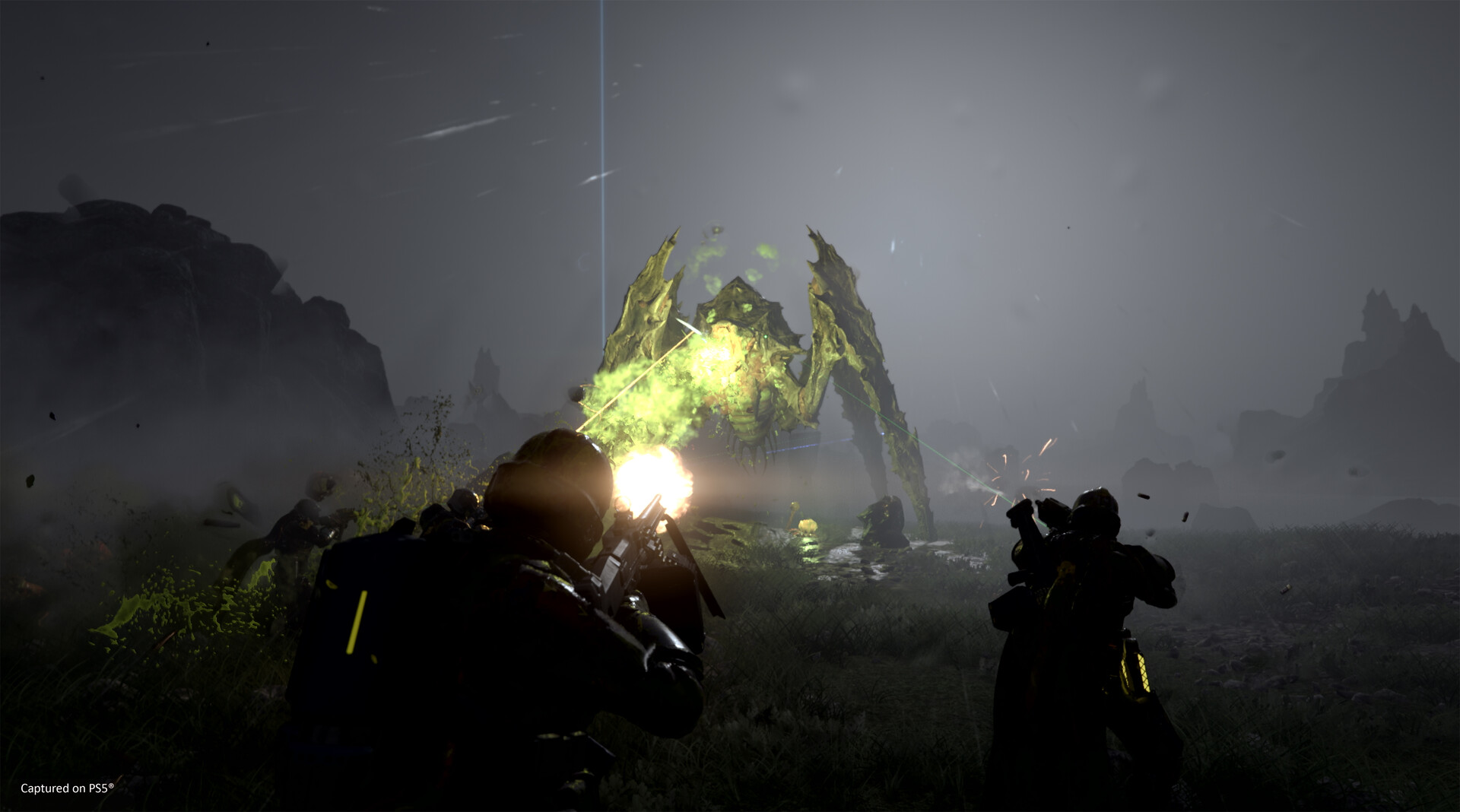
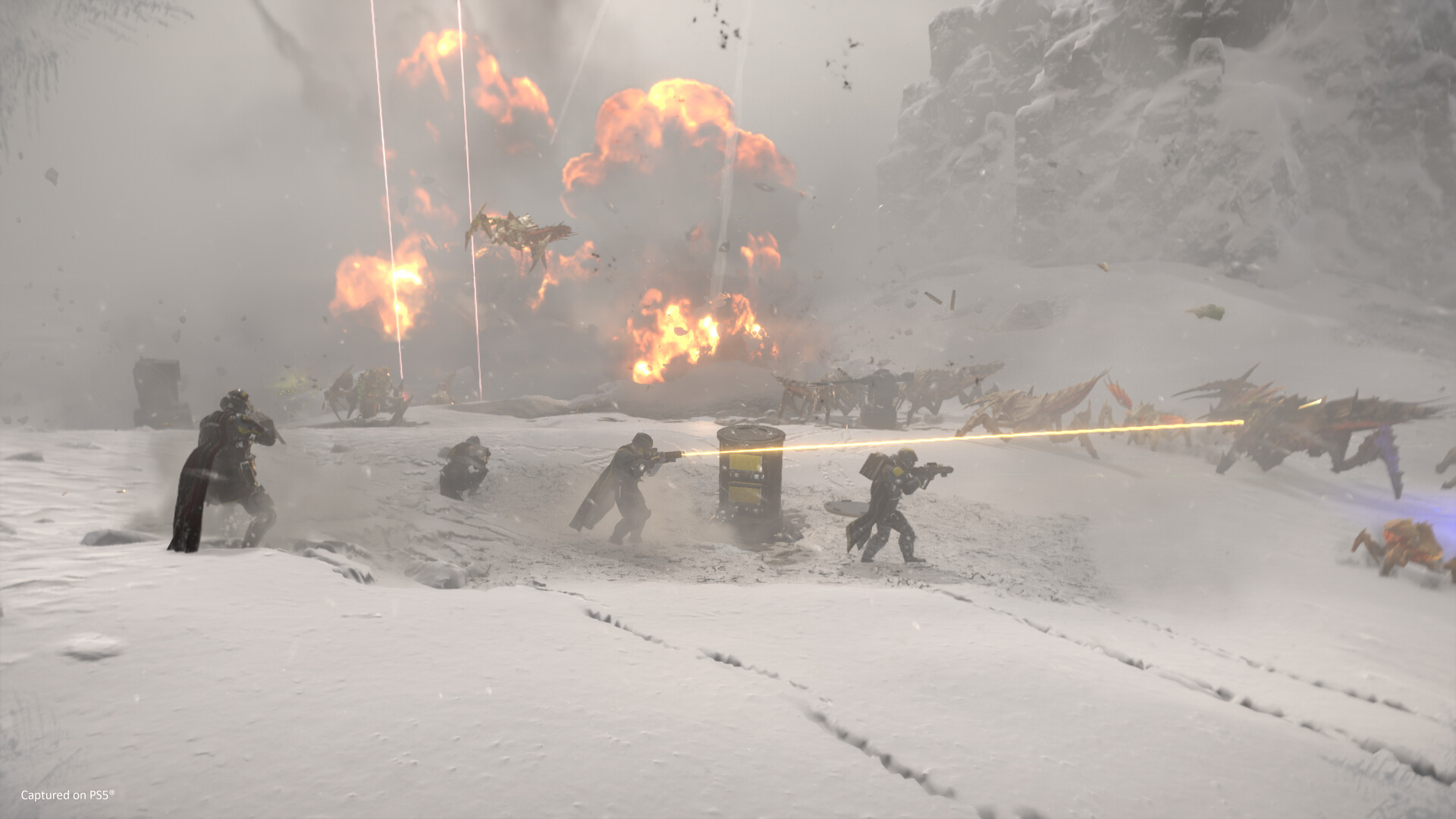
Screenshots


Reviewed by
HD2 Guides Editorial
Expertise: Editorial team behind HD2 Guides. Content is compiled from official patch notes, community wikis, and playthrough notes, then reviewed and updated on schedule.
Sources
Helldivers 2 Missions Guides →
Browse the complete missions collection and its focused guides.
Related Guides
🔥 Popular Guides
Helldivers 2 Tier List — Weapons, Warbonds, Armor & Stratagems
Master Helldivers 2 tier list hub: warbond rankings, armor passives, weapons, and stratagems. Jump to the warbond or armor list for your build.
Helldivers 2 Armor Tier List — Best Passives Ranked
Helldivers 2 armor tier list ranked by passive value: scout, medium, heavy, and specialist sets. Best passives for solo, co-op, and high difficulties.
Helldivers 2 Warbond Tier List — Best Warbonds to Buy First
Ranked Helldivers 2 warbond tier list: which warbonds to buy first, best value for medals, and what to skip. Updated for current meta.

Helldivers 2 Weapon Tier List: Best Weapons for Every Loadout
Compare the best Helldivers 2 weapons, budget substitutes, late-bloomers, reroll advice, and endgame loadout investments.
📋 Patch Notes & Updates
🛠️ Popular Tools
Was this guide helpful?
Rate this guide so we can improve it.
Share your own tip
Found something not in the guide? Submit it below — our editors review every tip before publishing. No account required.