 Helldivers 2
Helldivers 2 In Universe Media Beginner Guide
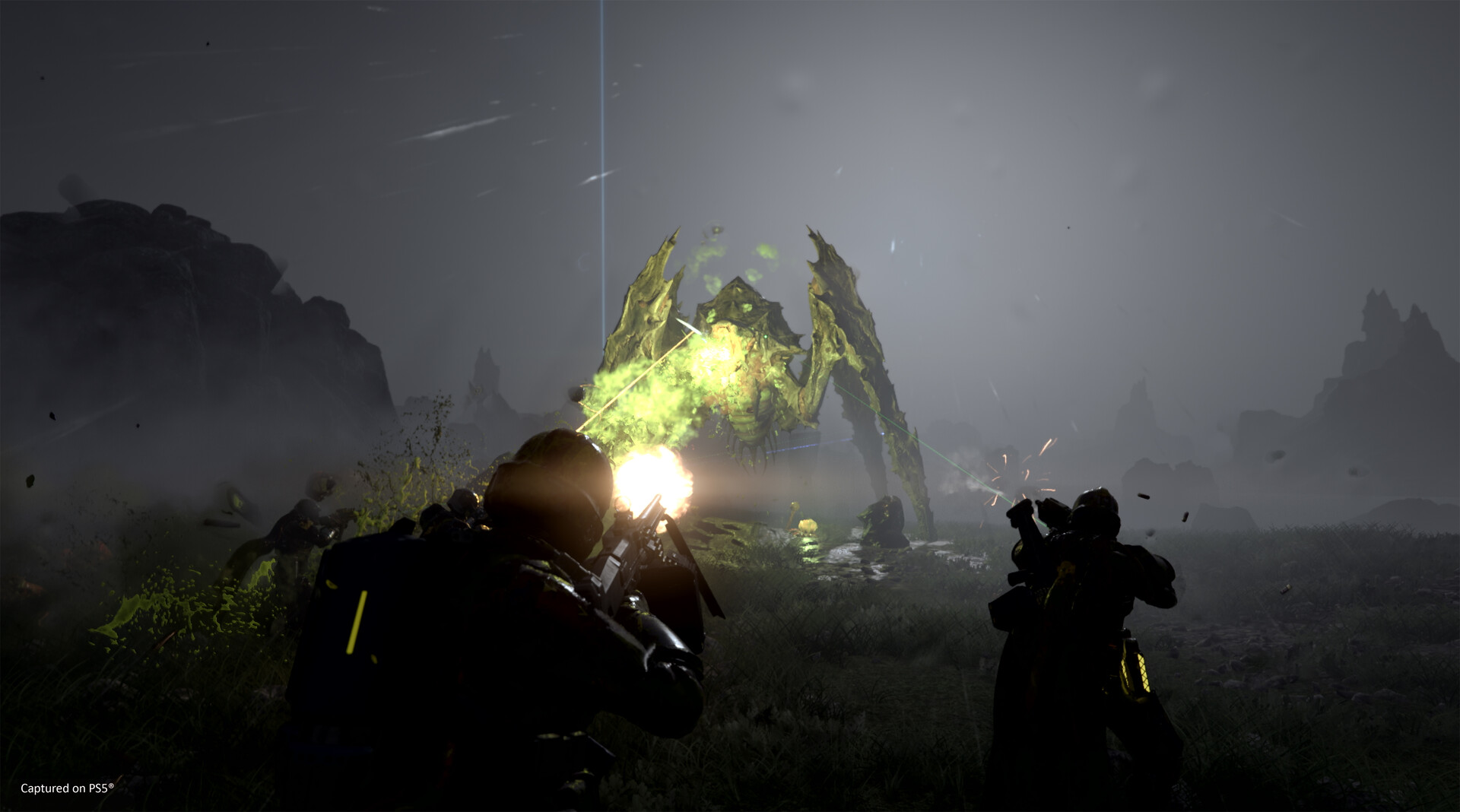
Quick Answer: Helldivers 2 In Universe Media is a beginner guide for learning the game’s core loop fast: unlock the right stratagems, spend Super Credits and samples wisely, avoid friendly fire mistakes, and reach comfortable difficulty clears.
Helldivers 2 is a 2024 cooperative multiplayer third-person shooter from Arrowhead Game Studios and Sony Interactive Entertainment, and its tone is all about frantic squad play, resource planning, and managed democracy in a hostile galaxy Source. Steam currently labels it “Mostly Positive” at 75.1% positive across 1,151,055 reviews, which is a good sign that the game rewards players who learn its systems early Source. The official store also describes the experience as a fast, frantic, and ferocious shooter, which is exactly why a focused first-hour plan matters Source.
What Helldivers 2 Actually Wants You to Learn First
Helldivers 2 wants you to learn survival, stratagem timing, and team coordination before raw aim matters. New players often assume the game is mainly about shooting enemies faster, but the real beginner wall is usually logistics: when to call supplies, when to run, when to hold a position, and when to stop fighting and finish the objective.
The game is built around short, high-pressure missions where one mistake can spiral into a squad wipe. That means you should treat the first hours as a systems tutorial, not a loot hunt. For example, a mission against Terminids on a low difficulty can still punish careless grenade use if you throw near a teammate who is carrying a Sickle, while an Automaton defense mission can turn ugly if you waste a stratagem call-in on the wrong side of a ridge. Likewise, a sample-rich map with a Charger nest is not “bonus content” for beginners; it is a lesson in when to disengage and return with better tools.
A useful beginner mindset is to focus on three things in every mission:
- Complete the objective, even if the map looks tempting.
- Practice one support tool at a time, such as Orbital Precision Strike or Eagle Airstrike.
- Leave with samples and requisition rather than chasing kills.
That shift in priorities helps you understand the Helldivers 2 In Universe Media angle as well: the game’s “media” and worldbuilding are not just flavor, they reinforce that you are expendable frontline infantry, so your job is to accomplish the mission, not to survive heroically at all costs.
The core loop in plain terms
Your basic loop is drop in, complete the primary objective, grab what you safely can, and extract. If you remember nothing else, remember that kills are secondary to mission success. A squad that extracts with fewer kills but more samples and completed objectives progresses faster than one that spends ten minutes farming enemies and then dies on the shuttle pad.
Examples of what this looks like in practice:
- On a Terminid eradication mission, you should clear the bug breaches only long enough to move to the next objective.
- On an Automaton launch-site mission, you should stop re-engaging patrols once the terminal is active and the route to extract is clear.
- On a mission with scattered PoI caches, you should grab Super Credits or samples only if the area is secure or your squad is already moving that direction.
First-Hour Checklist
Your first hour should be spent unlocking basic tools, testing one weapon loadout, and learning how to finish easy missions without overextending. Do not try to “solve” the entire game in the first session; instead, build a reliable routine that you can repeat.
1. Finish the opening tutorials and training actions
Start by completing every onboarding prompt the game gives you. The tutorial exists to teach the essentials that are easy to miss later, especially stratagem input and basic movement under pressure. Practice calling in a Resupply, a support weapon, and at least one offensive stratagem until the input becomes automatic.
Good early examples:
- Call a Resupply and notice how ammo, grenades, and stims all matter.
- Practice the Machine Gun or Anti-Materiel Rifle call-in so you understand support-weapon timing.
- Learn to throw an Eagle Airstrike or Orbital Precision Strike without standing in the blast radius.
2. Run low-difficulty operations with randoms or friends
Play a few low-difficulty missions as soon as possible, even if you are not confident. This game teaches best through repetition under light pressure. If you can, queue with at least one other player so you can see how experienced teammates move between objective markers, sample spots, and extraction.
Good mission examples:
- A simple bug clearing mission where you mostly practice movement and fighting off breaches.
- An Automaton objective mission where you learn how cover and line of sight matter.
- A mission with a fixed primary objective such as destroying eggs or activating terminals.
3. Unlock one offensive, one defensive, and one utility stratagem path
Do not spread your early unlocks across too many categories. Pick one tool from each category and keep it for several missions so your muscle memory develops. For many beginners, a balanced trio is something like Eagle Airstrike, a support weapon you like, and a defensive option such as a supply or turret tool.
Examples of useful early paths:
- Offensive: Eagle Airstrike, Orbital Precision Strike, or Eagle 500kg Bomb.
- Defensive: Machine Gun Sentry, Gatling Sentry, or Shield Generator Relay.
- Utility: Resupply, ammo economy support, or a mobility tool if available to your progress route.
4. Spend your first rewards on consistency, not novelty
Your first rewards should make the game easier to learn, not flashier. That means buying tools that solve common beginner problems like ammo starvation, poor mob control, and lack of area damage. A weapon that lets you survive longer is better than a “fun” option you cannot support yet.
5. Extract with samples and notice what you actually used
After each mission, pause and ask yourself three questions:
- Did I run out of ammo too often?
- Did I die because I was too aggressive, or because I had no escape option?
- Did I actually use the stratagems I equipped?
If you keep failing because you never had the right tool on cooldown, that is a sign to change your loadout. If you kept dying after being surrounded, that suggests you need a faster disengage strategy rather than more damage.

You might also like
- Helldivers 2 Available Platforms Updated 3/7/2024 See all the available platforms and consoles for Beginner Guide
- Helldivers 2 Why Now May Be the Perfect Time for a New Enemy Faction
- Helldivers 2 fan creates indoor dungeon mission concept: Beginner Guide
- Helldivers 2 Reviewed by Game878Helldivers 2Read Full Review Story5Gameplay9Visuals9Audio8Value forMoney8 Beginner Guide
- Helldivers 2 Pages using DynamicPageList3 parser function: Beginner Guide
Resource Priority Order
Your resource priority should be: unlock survivability and mission consistency first, then improve damage options, then invest in convenience and experimentation. Helldivers 2 has multiple progression currencies and unlock tracks, and beginners often waste them on weapons that sound strong but do not solve the problems they are actually having.
The most important rule is to avoid spending scarce progression on a meme build too early. The game’s economy rewards steady unlocks much more than one expensive vanity choice.
Priority table for beginner spending
| Priority | What to spend on first | Why it matters for beginners | Example purchase or unlock type |
|---|---|---|---|
| 1 | Core survival and ammo reliability | Lets you stay alive long enough to learn mission flow | Resupply-adjacent planning, reliable primary, supportive armor passive |
| 2 | One strong anti-heavy option | Solves Chargers, Hulks, and other high-threat targets | A support weapon or stratagem that handles armor well |
| 3 | One reliable crowd-control tool | Prevents swarms from overrunning objectives | Eagle Airstrike, sentry, or explosive area damage |
| 4 | Ship module improvements | Makes every future mission easier | Broad upgrades that improve stratagem effectiveness |
| 5 | Experimentation and luxury picks | Good after you can already clear comfortably | Situational weapons, niche utility, novelty armor |
What to hoard
You should hoard anything that is limited, broadly useful, or hard to replace.
- Samples: keep these for ship module progress; do not spend them carelessly on flashy upgrades if you still lack basic mission consistency.
- Super Credits: treat these as premium currency unless you are specifically buying a Warbond item that solves a current problem.
- Medals: save them for unlock tracks that improve your everyday loadout first, not just for cosmetics or niche weapons.
- Requisition Slips: spend them on stratagems that are usable across many mission types, such as versatile air support or dependable defensive options.
What to buy first, conceptually
The exact strongest choice changes with balance updates and personal skill, but the beginner logic stays the same:
- A primary weapon you can trust in panic situations.
- One anti-armor support option for tougher enemies.
- One area-control or anti-horde stratagem for breaches and dropships.
- One utility option that helps your squad survive longer, such as resupply support or a defensive barrier.
Examples of this approach:
- A player struggling against Terminid swarms may prioritize area damage before heavy armor tools.
- A player facing Automaton patrols may prefer armor-piercing support before crowd control.
- A duo player may prioritize ammo economy and revive safety over pure damage.
Common Mistakes
Beginners usually make the same handful of mistakes because Helldivers 2 teaches them through failure, not through menus. The good news is that almost every common error has a direct fix once you notice the pattern.
1. Fighting every patrol instead of moving past them
Players often assume every enemy group must be killed because the game is a shooter. That habit wastes ammo, time, and reinforce charges.
Why it happens: Enemy kills feel productive, and the game constantly throws threats at you, so standing your ground feels natural.
Fix: Only fight when a patrol blocks the objective, reveals your position dangerously, or threatens to call reinforcements. If the route is clear, move. If you are already on objective, finish the task before taking another fight.
2. Bringing three “fun” tools and no answer to armor
New players love flashy explosives, but then they meet a Charger or Hulk and realize they cannot reliably deal with heavy targets.
Why it happens: Early missions can lull you into thinking light enemies are the whole game.
Fix: Always bring at least one tool that answers armored threats. Examples include a support weapon tuned for armor, a strong orbital strike, or an Eagle option that can delete a priority target when timed well.
3. Standing too close to teammates during stratagem calls
Friendly fire is a core part of the game’s identity, and beginners frequently cluster around objectives or extraction points.
Why it happens: Squads naturally want to stack for protection, and many players do not yet respect blast radius.
Fix: Before tossing an Eagle Airstrike, Orbital Precision Strike, or similar call-in, take a second to confirm your teammates’ lanes. If in doubt, warn them and throw from an angle that gives everyone space.
4. Ignoring samples until the end of the mission
Many beginners leave samples behind because they are focused only on the primary objective.
Why it happens: The mission timer and enemy pressure make looting feel risky or optional.
Fix: Collect samples on the way to objectives, not as a separate expedition. If your squad is moving through a secure area, quickly sweep for sample containers and then keep moving.
5. Burning stims and ammo the moment trouble starts
Some players panic-heal or full-auto everything, then discover they have nothing left for the next fight.
Why it happens: The game’s combat is noisy and chaotic, which encourages panic reactions.
Fix: Use stims when you need to survive a fight, not just because your health is slightly low. Fire in controlled bursts when enemies are at medium range, and resupply before you are completely empty.
6. Ignoring extraction positioning
Extraction is not a victory lap; it is often the most dangerous part of the mission.
Why it happens: Players relax once the objective is done and stop reading the battlefield.
Fix: Treat the extraction zone like a defense mission. Hold high ground if possible, place sentries where they can cover approaches, and keep one eye on reinforcement waves until the shuttle lands.
Graduation Threshold
You are out of the beginner phase when you can complete standard missions without panic, build a loadout around a problem instead of a theme, and extract with resources more often than not. In practice, the shift happens when you stop asking “What kills this enemy?” every time and start asking “What does this mission need from me?”
A good beginner graduation test is whether you can handle the following situations without depending on luck:
- A patrol triggers a reinforcements call and you can recover instead of collapsing.
- A Charger or Hulk appears and you already know which tool you will use.
- A teammate dies near an objective and you can keep the mission moving while planning the revive.
- You finish an operation with samples, a completed objective chain, and at least one usable stratagem still contributing.
You also know you are leaving the beginner phase when you start adapting loadouts by mission type. For example, a bug hunt may push you toward crowd control and area denial, while an Automaton mission may make you favor cover-friendly tools, anti-armor options, and careful peeking. That is the moment Helldivers 2 becomes much deeper: you are no longer just learning mechanics, you are reading the battlefield.
Signs you are ready for the next difficulty step
- You rarely die to your own stratagems.
- You know when to retreat instead of overchasing enemies.
- You can identify priority targets quickly, such as Chargers, Hulks, or enemy units that call reinforcements.
- You are spending resources deliberately rather than whenever you can afford something.
If those boxes are mostly checked, you are ready to move beyond pure beginner advice and start thinking about build synergies, team roles, and mission-specific optimization.
Pro Tips
Advanced beginner success comes from small habits that save time, ammo, and lives over many missions. These tips matter most when you are already surviving but want to become consistently useful to your squad.
Tip 1. Treat stratagems like cooldown-managed answers
Use offensive stratagems only when they solve a specific problem, such as deleting a Charger, clearing a breach, or stopping an Automaton push. If you throw them just to see an explosion, you will often find yourself empty when the mission actually demands them.
Tip 2. Keep a mental “escape lane”
Before you engage a nest, outpost, or terminal, decide where you will run if the fight goes bad. This is especially helpful on narrow terrain, in bug tunnels, and around Automaton bases where a bad angle can trap the squad.
Tip 3. Use objectives as regroup points
If your team gets scattered, move toward the next objective marker rather than wandering around the map. Objectives naturally pull teammates back together, and that usually means safer revives and better stratagem coordination.
Tip 4. Save one tool for extraction
Do not spend every powerful option the moment the mission is complete. Holding one Eagle strike, one orbital, or one defensive stratagem for the extract phase often turns a disaster into a clean evac.
Tip 5. Learn enemy behavior by faction
Terminids and Automatons punish different mistakes. Bugs often overwhelm poor positioning and spacing, while bots punish exposed lines and lazy movement. If you notice you keep dying the same way, stop blaming your aim and adjust your positioning or route.
Tip 6. Communicate simple intentions
You do not need a full voice chat lecture. A quick “going left,” “need ammo,” “holding extract,” or “throwing airstrike” prevents more team damage than most fancy play ever will.
Helldivers 2 In Universe Media and the Game’s Identity
Helldivers 2 In Universe Media works best when you understand that the game’s tone supports its mechanics. The propaganda, the “managed democracy” framing, and the exaggerated military fiction are not just jokes; they justify the harsh squad gameplay loop where you are powerful, expendable, and expected to keep pushing forward. The sequel follows the Helldiver Corps of Super Earth in the 22nd century, fighting threats to humanity while spreading that same satirical ideology Source.
That matters for beginners because the game is constantly telling you, in-universe, to act like a disciplined soldier while also punishing undisciplined play. If you stand in the wrong place, blow up a teammate, or chase kills off-objective, the game is effectively mocking that behavior through failure. By contrast, when you extract after completing the mission with the team intact, the fantasy clicks: your squad did not merely survive, it executed the mission under pressure.
There is also a practical lesson here. The universe’s broadcast-style presentation can tempt new players to roleplay first and optimize later, but the best beginner results come from respecting the underlying systems. Think like a Helldiver, but play like an operator. That means choosing the right stratagem for the job, reading terrain, and treating every mission as a managed chaos problem rather than an arena shootout.
Examples of how this identity shows up in play:
- A squad using voice lines and pings to coordinate an extraction under fire.
- A player calling in support and then repositioning like a disciplined frontliner.
- A mission failure that becomes funny in retrospect because it perfectly fits the game’s satirical tone.
Related Guides
- Helldivers 2 Best Early Stratagems
- Helldivers 2 Beginner Loadouts
- Helldivers 2 Mission Types Explained
- Helldivers 2 Sample and Currency Guide
- Helldivers 2 Armor and Passive Effects Guide
- Helldivers 2 Terminid Enemy Guide
- Helldivers 2 Automaton Enemy Guide
Sources
- https://store.steampowered.com/app/553850/
- https://en.wikipedia.org/wiki/Helldivers_2
- https://store.steampowered.com/app/553850/
- https://howlongtobeat.com/?q=helldivers2
- https://store.steampowered.com/app/553850/
See also
- Helldivers 2 How to Destroy Fuel Silos and Stockpiled Ammunition
- Helldivers 2 Unnamed Super Earth Fighter Craft Beginner Guide
- Helldivers 2 Beginner Guide: Start Strong, Spend Smart, and Survive the Early War
- Helldivers 2 Pages using Tabber parser tag Beginner Guide
- Helldivers 2 How to Fix Stuck in Drop Pod Bug
- Helldivers 2 Helldivers 1:Chief Communications Officer Beginner Guide
- Helldivers 2 Failed to Establish Network Connection Error Beginner Guide
- Helldivers 2 Does Support Crossplay and Cross Save: Beginner Guide
- Helldivers 2 How to Get the EX-03 Prototype 3 Armor Set
- Helldivers 2 System Requirements and Recommended Specs: Beginner Guide
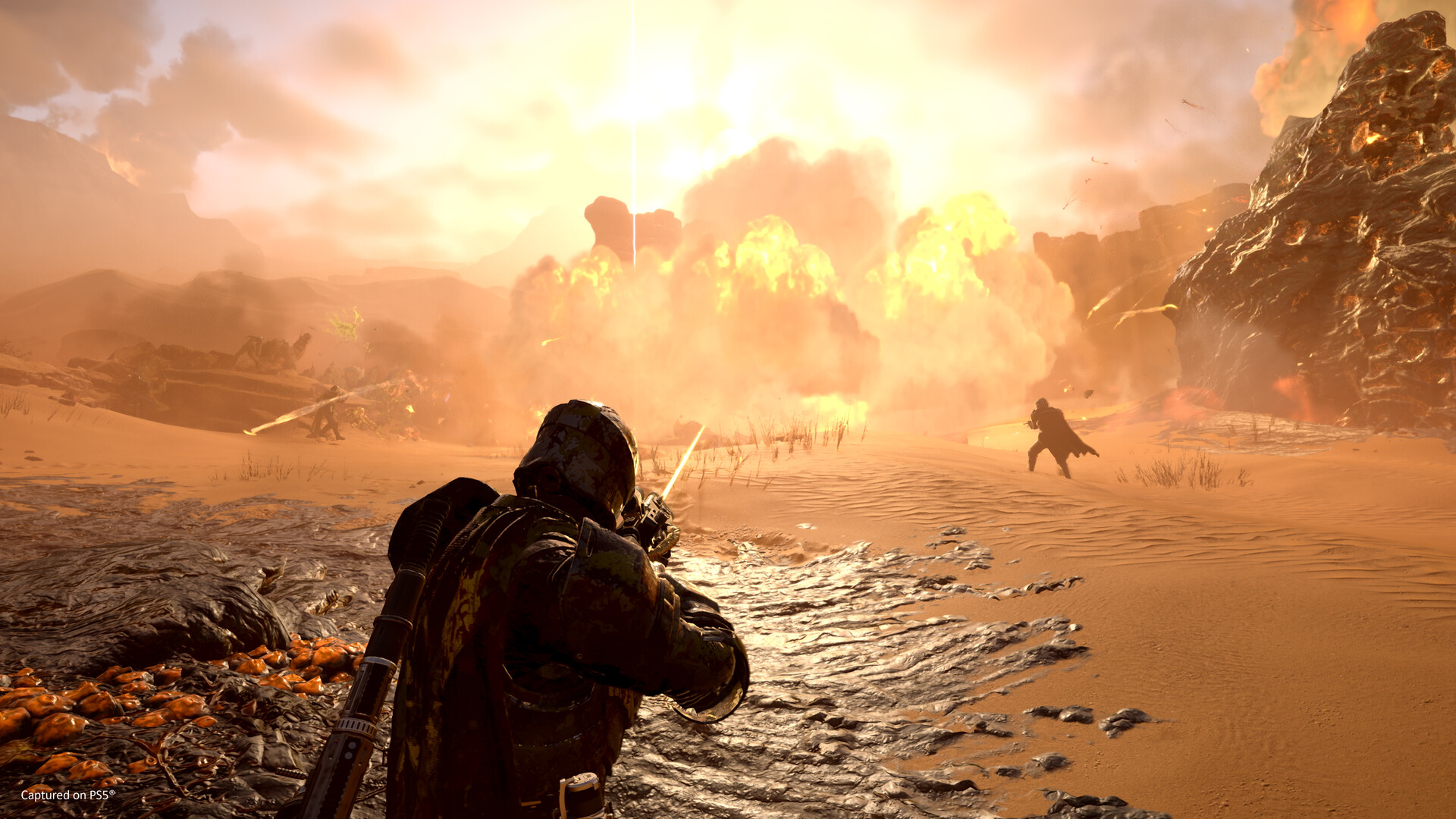
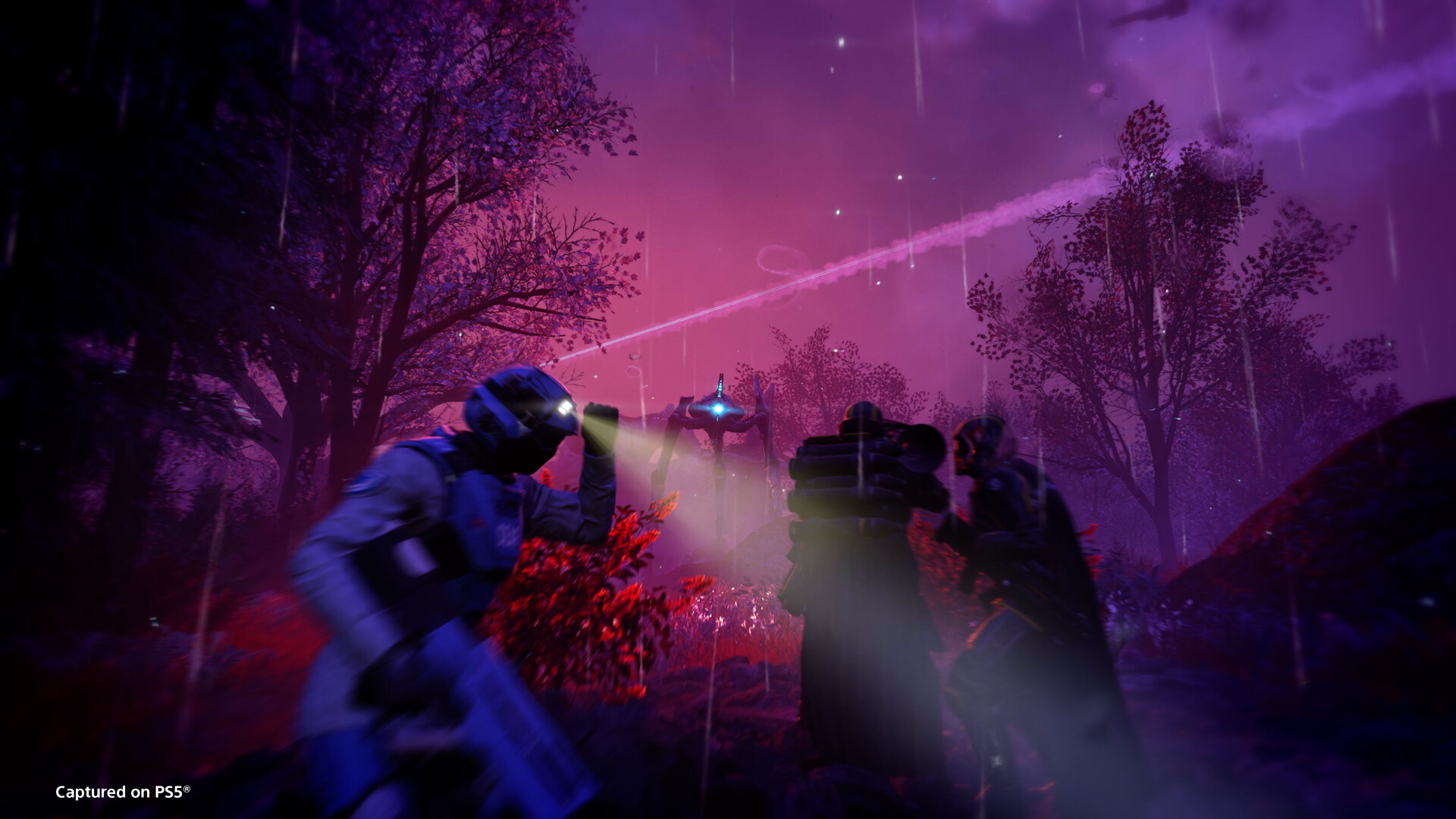
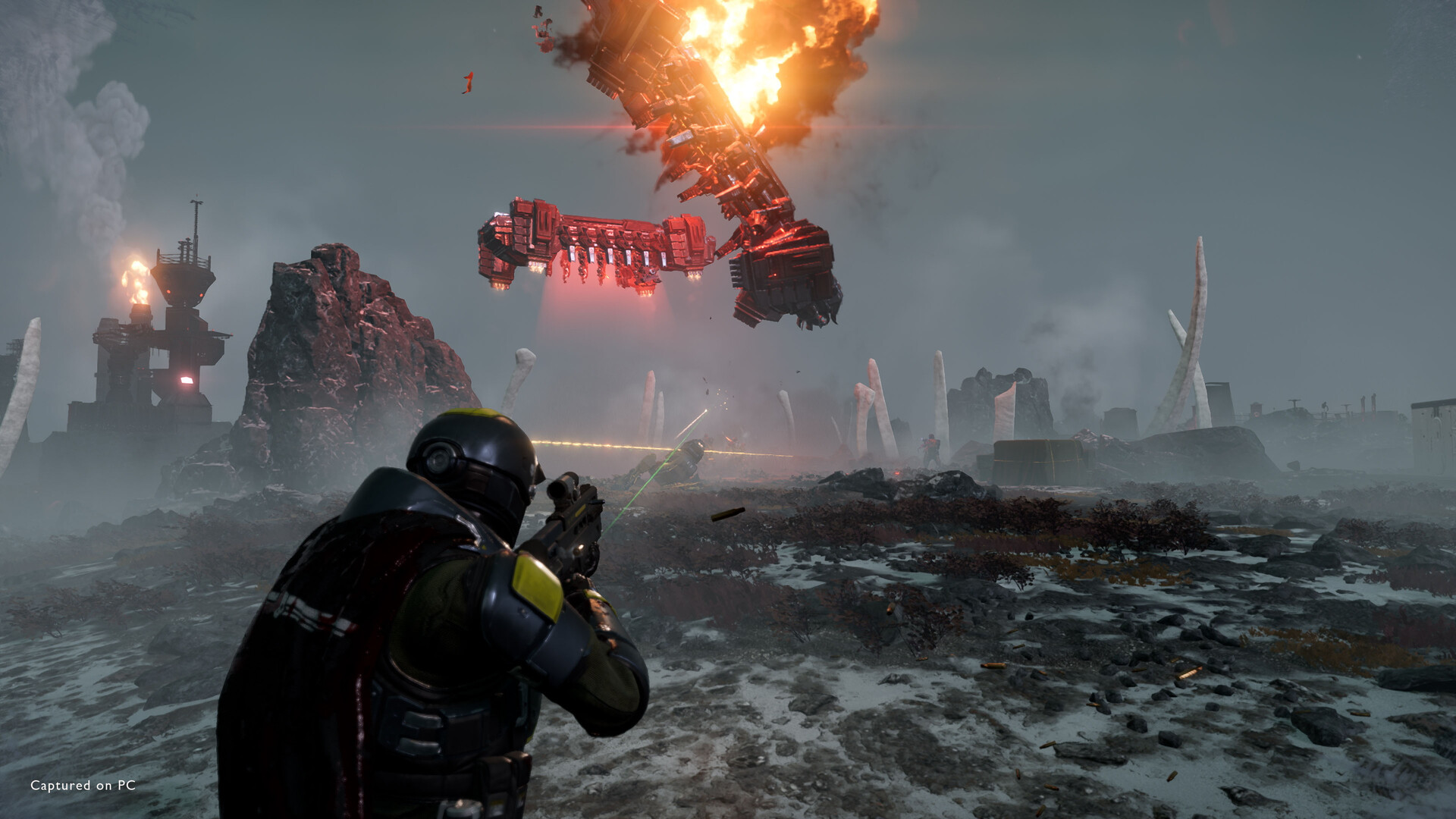
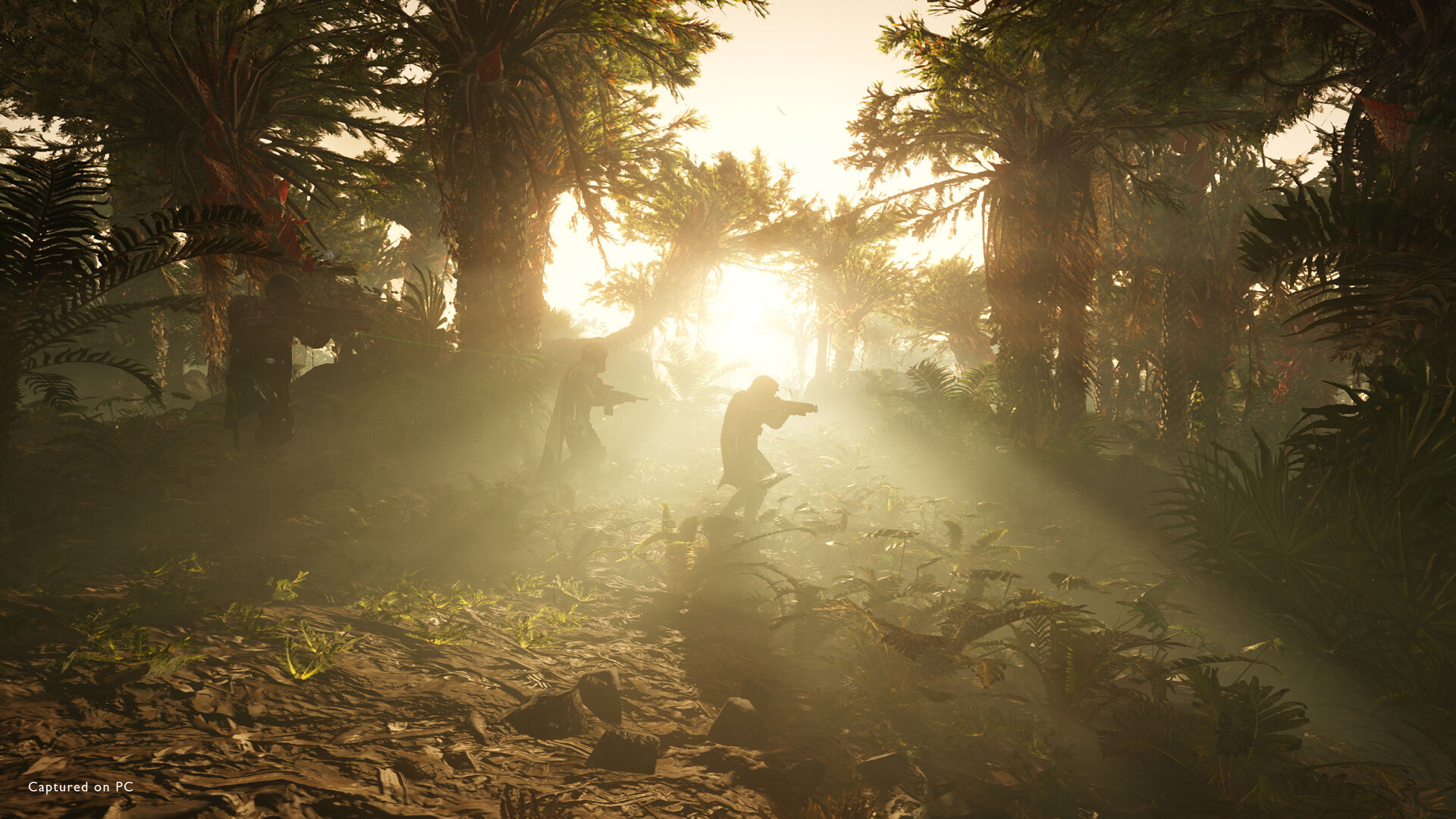
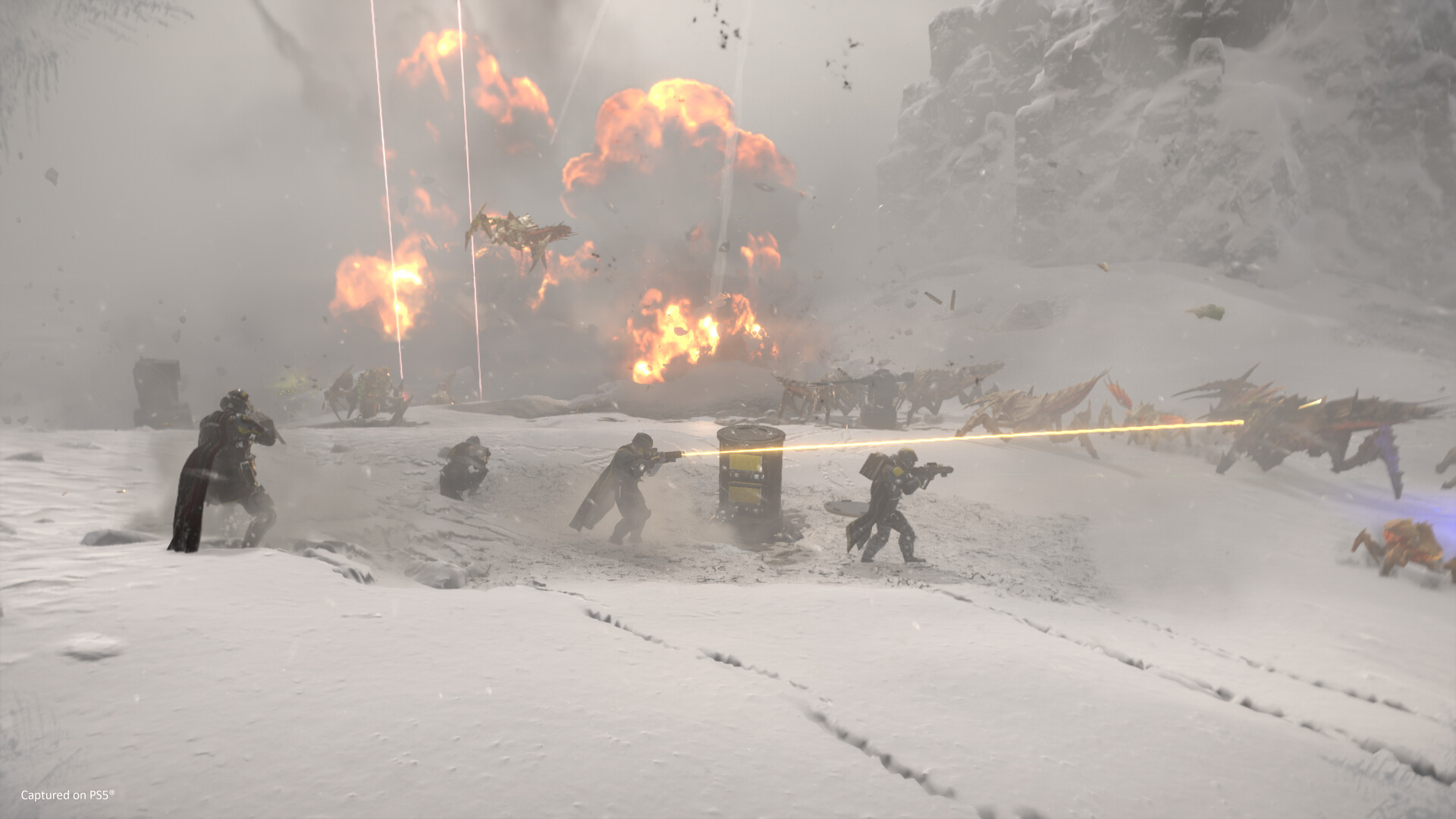
Screenshots

Reviewed by
HD2 Guides Editorial
Expertise: Editorial team behind HD2 Guides. Content is compiled from official patch notes, community wikis, and playthrough notes, then reviewed and updated on schedule.
Sources
Helldivers 2 Missions Guides →
Browse the complete missions collection and its focused guides.
Related Guides
🔥 Popular Guides
Helldivers 2 Armor Tier List — Best Passives Ranked
Helldivers 2 armor tier list ranked by passive value: scout, medium, heavy, and specialist sets. Best passives for solo, co-op, and high difficulties.
Helldivers 2 Warbond Tier List — Best Warbonds to Buy First
Ranked Helldivers 2 warbond tier list: which warbonds to buy first, best value for medals, and what to skip. Updated for current meta.
Helldivers 2 Tier List — Weapons, Warbonds, Armor & Stratagems
Master Helldivers 2 tier list hub: warbond rankings, armor passives, weapons, and stratagems. Jump to the warbond or armor list for your build.
Helldivers 2 helldivers 2 warhammer 40k collaboration update Patch Notes Explained
Helldivers 2’s Warhammer 40K crossover adds Castellan’s Creed, new weapons, armor, enemies, missions, SEAF allies, and more.
📋 Patch Notes & Updates
🛠️ Popular Tools
Was this guide helpful?
Rate this guide so we can improve it.
Share your own tip
Found something not in the guide? Submit it below — our editors review every tip before publishing. No account required.