 Helldivers 2
Helldivers 2 Dynamic Tracking Beginner Guide
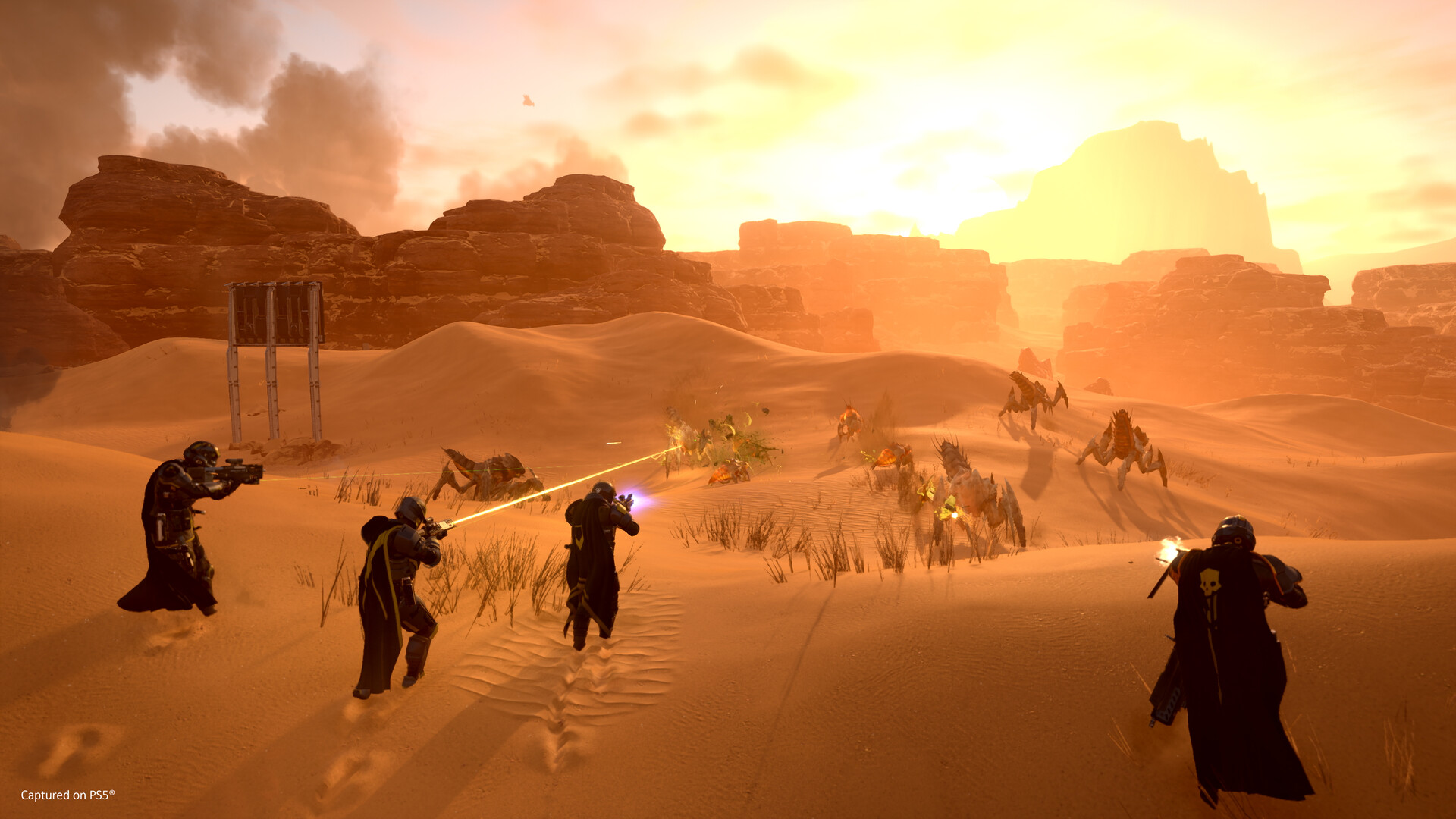
Quick Answer: Helldivers 2 Dynamic Tracking means reading the mission flow, enemy pressure, and squad positioning in real time so you spend stratagems, ammo, and movement on the right problem before the fight snowballs.
Helldivers 2 is a fast co-op shooter where good decisions matter more than raw aim, and the game’s pressure changes constantly as patrols, objectives, and extraction all stack up. Steam lists the game as a “fast, frantic, and ferocious third-person shooter” Source, and that rhythm is exactly why dynamic tracking matters so much for new players.
What Dynamic Tracking Means In Helldivers 2
Helldivers 2 Dynamic Tracking is the habit of continuously updating your plan based on what is happening right now, not what looked true ten seconds ago. In practice, that means you watch enemy types, squad health, ammo, stratagem cooldowns, and objective timing at the same time, then you adjust before the mission turns messy.
The idea sounds abstract, but it shows up in very concrete moments:
- A patrol spots your squad while you are carrying samples, so you stop pushing forward and clear the flank first.
- A Charger appears near an objective, so you switch from small-arms fire to a recoiless rifle, EAT-17, or an orbital strike.
- Your team is split between the uplink and extraction, so you stop chasing one more enemy and regroup before someone gets isolated.
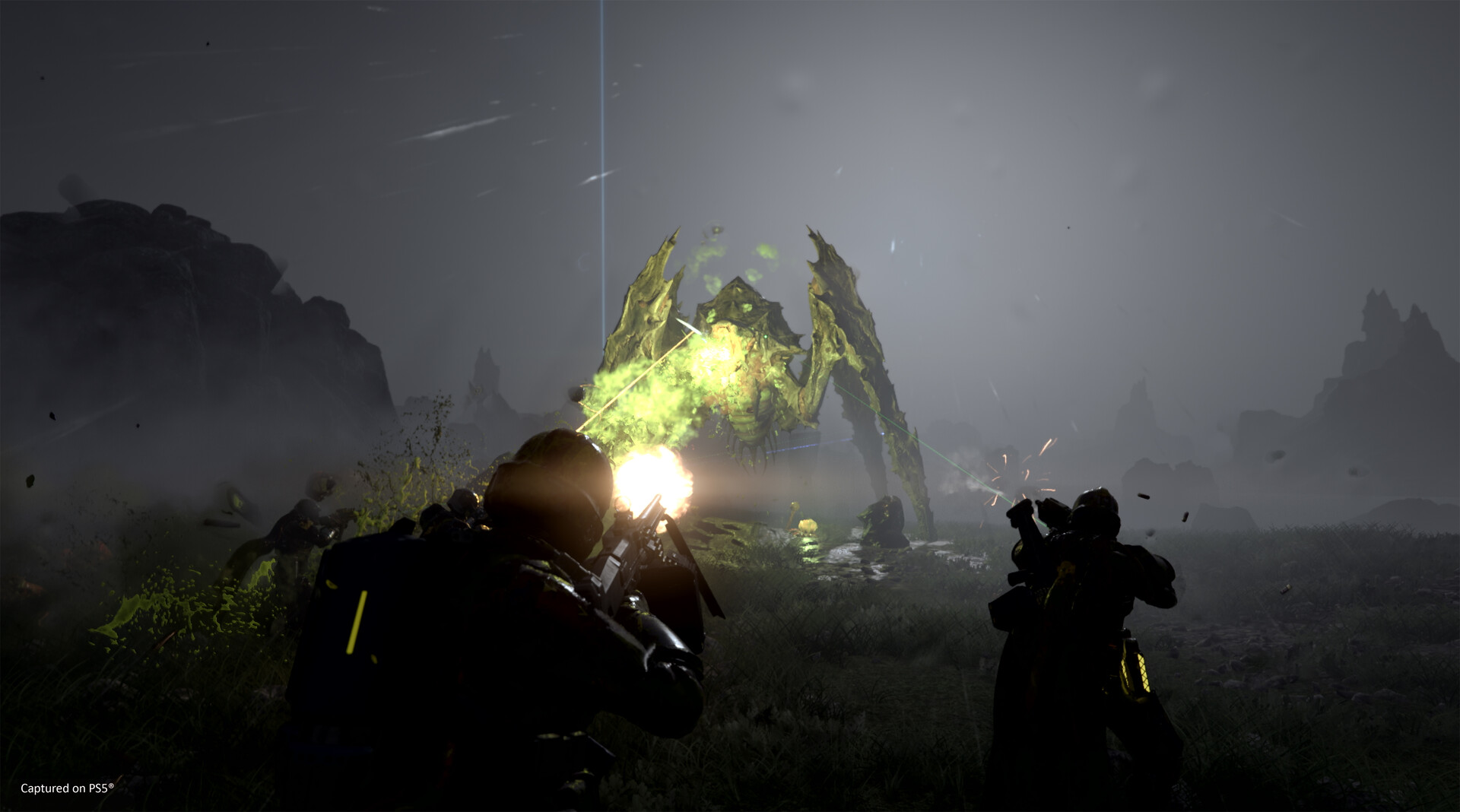
That is the core beginner lesson: tracking is not about perfect prediction. It is about reducing avoidable surprises. In Helldivers 2, the best players are not just accurate; they are constantly re-evaluating what the mission wants from them. One minute you are clearing bug breaches on a Terminid planet, the next you are kiting a Hulk while the stratagem beacon lands behind a rock, and then you are sprinting to extraction with samples and reinforcements running low. If you are still playing as if the battlefield is static, the game punishes you fast.
A helpful way to think about this is to track four layers at once:
- Enemy layer: What spawned, what is closing distance, and what can kill you quickly?
- Squad layer: Who is down, who has ammo, and who has the tools to answer heavy armor?
- Objective layer: Are you defending, moving, or extracting?
- Resource layer: Which stratagems, stims, grenades, and support weapons are still available?
New players often focus only on the enemy directly in front of them. That works on the lowest pressure moments, but Helldivers 2 escalates quickly. A patrol can turn into a breach, a breach can turn into multiple heavies, and that can erase your progress if nobody is reading the field. Dynamic tracking is what keeps that chain from forming.
First-Hour Checklist
Your first hour should teach you the loop, not optimize your build, so focus on learning mission flow, stratagem use, and extraction discipline. You do not need a perfected loadout on day one; you need a routine that helps you survive long enough to understand how the game behaves.
1. Finish the tutorial and test movement under pressure
Start with the tutorial, then immediately practice sprinting, diving, crouching, and stim usage in real combat space. Helldivers 2 gives you enough movement tools to escape bad positioning, but only if those inputs feel natural.
Do this early:
- Sprint, then dive to break line of fire.
- Use a stim before you are nearly dead, not after you are already getting staggered.
- Throw a stratagem beacon while moving so you learn the input timing.
Two useful examples are a simple reposition after a bug patrol breaks line of sight, and a defensive dive when a Devastator starts suppressing your lane. You want those reactions to happen without hesitation.
2. Run low-risk missions first
Pick easier operations and treat them as field training. Your goal is to learn how objectives work, how long fights last, and when it is smarter to leave an area than to keep clearing enemies.
Good early mission goals include:
- Activating a terminal while the squad covers angles.
- Defending an objective for a short burst instead of chasing every kill.
- Extracting cleanly with at least one support weapon and some samples still on hand.
This is where Helldivers 2 Dynamic Tracking starts to matter. If a mission objective is still open but the enemy density is exploding, do not stand your ground just because you have already invested time there. Reset, reposition, and come back with a plan.
3. Learn three stratagem roles, not ten
Pick one offensive call-in, one defensive or area-control tool, and one support option, then use those repeatedly. The early game teaches better when you know what each slot is for.
A strong beginner pattern is:
- One anti-armor option for Chargers, Hulks, or other heavies.
- One crowd-control or area denial tool for breaches and drop zones.
- One supply or utility option that helps the whole squad keep fighting.
Examples include an Eagle strike for burst damage, an orbital barrage for area denial, and an ammo or support package for sustain. The exact picks depend on what you have unlocked, but the structure matters more than the specific names.
4. Watch one teammate’s decisions every mission
Pick one teammate, preferably someone who seems calm, and copy their positioning choices for a few minutes. You are not trying to mimic every shot; you are learning how experienced players move around threats and objectives.
Pay attention to:
- How they leave a bad fight instead of finishing it.
- When they save stratagems for a bigger enemy.
- How they stand relative to cover and open sightlines.
A lot of beginner growth comes from observing decision timing. In Helldivers 2, that timing is often the difference between a clean mission and a chain of revives.
5. Extract with discipline even if the map is not fully clear
Do not treat extraction as a bonus stage where you can farm forever. Once the mission timer pressure, reinforcements, or enemy spawn density start to squeeze the squad, extraction becomes its own objective.
Your first-hour extraction goal is simple:
- Arrive together.
- Hold a defensible angle.
- Do not chase a single survivor enemy away from the pad if doing so leaves the team exposed.
That habit pays off immediately. Lots of new players lose samples and mission rewards because they keep fighting one extra wave that was never necessary.
You might also like
- Helldivers 2 Available Platforms Updated 3/7/2024 See all the available platforms and consoles for Beginner Guide
- Helldivers 2 Why Now May Be the Perfect Time for a New Enemy Faction
- Helldivers 2 Reviewed by Game878Helldivers 2Read Full Review Story5Gameplay9Visuals9Audio8Value forMoney8 Beginner Guide
- Helldivers 2 How to Destroy Fuel Silos and Stockpiled Ammunition
- Helldivers 2 How to Fix Stuck in Drop Pod Bug
Resource Priority Order
Your first resources should go into power that changes mission outcomes, then into convenience, then into cosmetic or low-impact spending. That order matters because Helldivers 2 rewards reliability far more than small efficiency gains.
Here is a practical priority ladder for beginners:
| Priority | Spend or save on | Why it matters first | Early examples |
|---|---|---|---|
| 1 | Reliable combat power | Helps you clear objectives, survive heavies, and support the squad | Anti-armor stratagems, useful orbitals, dependable support weapons |
| 2 | Ship module upgrades that improve core combat flow | Makes your best tools better across every mission | Longer resupply value, stronger offensive calls, better survivability boosts |
| 3 | Warbond unlocks that fit your current playstyle | Expands your options without forcing a full build change | Primary weapons, grenades, armor with useful passive effects |
| 4 | Backup utility and niche tools | Good later, but rarely solves the first beginner problems | Specialist support items, situational grenades, niche armor picks |
| 5 | Cosmetic or preference-driven spending | Nice to have, not mission-defining | Appearance choices and extras |
The most important habit is to avoid scattering resources across too many half-finished ideas. A new player who buys one of everything usually ends up with several weak loadouts instead of one dependable one.
For samples and mission rewards, the rule is simple: use them to strengthen the things you will equip in most missions. If you already know you like explosive crowd control, upgrade around that. If your squad lacks anti-heavy answers, invest there first. If your biggest problem is staying alive during breaches, favor survivability and resupply value.
Super Credits deserve a careful approach. They can be earned in missions or purchased, so they feel tempting to spend immediately, but that is usually a mistake for beginners. Hold them until you know which Warbond actually supports your playstyle. The same applies to medals: it is better to finish a coherent unlock path than to pick random items from several pages.
Managed democracy works better when your progression is focused. The game’s economy is not about hoarding everything forever; it is about avoiding waste on tools you are not ready to use yet. A good beginner can feel weak with a pile of scattered unlocks and strong with only a few carefully chosen ones.
Common Mistakes
Most beginner mistakes in Helldivers 2 come from overcommitting, undertracking, or spending resources too broadly, and each one has a straightforward fix. The game is fair once you learn what it is asking from you, but it punishes sloppy habits quickly.
1. Fighting every patrol you see
Players often shoot because an enemy is visible, not because the fight is necessary. That happens because the game is loud and reactive, and new players assume more kills means more safety.
Fix: break line of sight, keep moving toward the objective, and only commit if the patrol is about to spot the whole squad or block the route. In many missions, a clean bypass is better than a long fight.
2. Spending stratagems on the first problem in view
New players often throw orbitals and Eagle strikes as soon as anything large appears. The mistake comes from panic and from not knowing which enemy is actually the threat.
Fix: save your best calls for the enemy that changes the fight, such as a Charger, Hulk, bile-heavy target, or a dense objective defense. If one light enemy can be finished with a primary weapon, do not waste a support tool on it.
3. Ignoring squad spacing
A lot of new squads stack too close together, then one explosive hit or bad stratagem turns into a full wipe. The mistake is usually caused by wanting support nearby, but too much clustering creates more risk than safety.
Fix: stay close enough to help, but leave room for dodging, diving, and friendly fire mistakes. If someone is carrying anti-armor, let them have a clean lane. If someone is calling in support, do not stand on top of the beacon.
4. Treating extraction like a place to farm kills
Players often think the correct move at extraction is to keep fighting until nothing is left. That is usually not true.
Fix: once the shuttle is coming and the pad is stable, prioritize revives, anti-heavy coverage, and survival. The extraction timer is a mission of its own, and surviving the last minute is usually more valuable than clearing one more wave.
5. Wasting samples by overextending
New players frequently die with samples because they push into a bad angle for one more objective or one more enemy. The mistake comes from forgetting that samples only matter if you extract them.
Fix: treat sample carriers carefully, especially on harder missions. If you are holding samples, play more conservatively, and if the team is collapsing, call for a reset instead of forcing a heroic push.
6. Building around novelty instead of reliability
Some beginners unlock something flashy and assume it must be better because it looks strong. In practice, some tools are good only when you already understand spacing, timing, and mission flow.
Fix: keep one loadout that solves common problems consistently, then experiment with one slot at a time. For example, test a new primary while keeping your familiar anti-armor support weapon and defensive stratagems.
Pro Tips
Advanced play in Helldivers 2 starts when you stop reacting to single enemies and start managing the mission as a moving system. These tips go beyond the obvious beginner advice and help you stay ahead of enemy escalation.
Tip 1. Pre-aim the next problem, not the current one
If you are clearing a breach or drop zone, aim where the next threat will enter, not where the first enemy is already dying. This matters most during bug breaches, bot reinforcements, and objective defenses where enemies arrive in waves.
Tip 2. Save one answer for heavies
Keep one anti-heavy option in reserve whenever possible. A Charger rushing through a messy fight or a Hulk appearing at the edge of a terminal defense is much easier to handle when you have not already spent every tool on small enemies.
Tip 3. Use terrain to force enemy pathing
Rocks, ridges, and narrow approaches can turn chaotic fights into manageable ones. On a Terminid planet, a small hill can split a swarm. Against Automatons, a rock outcrop can cut down the number of angles you need to watch.
Tip 4. Call stratagems where the fight will be, not where it is
Throwing a beacon at your feet is often too late. If you know a breach is opening or a heavy enemy is turning the corner, place the call slightly ahead so the effect lands on the actual threat window.
Tip 5. Watch cooldowns as part of situational awareness
You should always know whether your team’s key tools are available. If both anti-armor options are on cooldown, stop looking for a hard push and play for time, cover, and a cleaner reset.
Tip 6. Use revives as part of positioning
A revive is not just a rescue action; it is also a positional decision. If someone dies in a terrible lane, revive from cover or after a threat is cleared instead of creating a second corpse in the same spot.
Tip 7. Learn when to disengage on purpose
A mission often becomes easier when you leave a bad fight after spending just enough to survive it. Backing off for ten seconds can save multiple reinforcements and preserve the squad for the objective that actually matters.
Graduation Threshold
You are out of the beginner phase when you can read the battlefield, manage your resources, and finish missions without relying on panic responses. The transition is not about reaching a specific level alone; it is about consistency.
A good sign that you have graduated is that you can do most of the following without thinking too hard:
- Recognize whether a fight is optional or mandatory.
- Hold at least one stratagem or support tool for a real emergency.
- Identify which enemy in the group is the actual threat.
- Keep enough squad spacing to avoid chain deaths.
- Extract with samples more often than not, even when the mission gets messy.
Another practical signal is how you react when things go wrong. Beginners usually freeze, tunnel on the nearest enemy, or burn all resources at once. Intermediates reset positions, call targets, and protect the mission objective even when the fight gets chaotic. That is the real graduation threshold.
You will also notice that your loadout stops changing every mission. When you reach that stage, you probably have a core setup that works on multiple mission types, and you are swapping only one or two pieces to match the planet or enemy faction. That is a strong sign you understand the game’s rhythm instead of merely surviving it.
For many players, the shift happens once they stop asking, “What is the best thing to shoot right now?” and start asking, “What does the mission need from me in the next thirty seconds?” That is Helldivers 2 Dynamic Tracking in its simplest form. Once that question becomes natural, you are no longer a beginner.
Related Guides
- Helldivers 2 Best Early-Game Loadouts
- Helldivers 2 Stratagem Tier Guide
- Helldivers 2 Mission Types Walkthrough
- Helldivers 2 Armor and Perk Guide
- Helldivers 2 Sample Farming Guide
Sources
- https://store.steampowered.com/app/553850/
- https://howlongtobeat.com/?q=helldivers2
- https://api.steambase.io/games/553850
- https://www.protondb.com/app/553850
- https://steamcommunity.com/stats/553850/achievements
- https://www.metacritic.com/game/helldivers-2
See also
- Helldivers 2 Beginner Guide: Start Strong, Spend Smart, and Survive the Early War
- Helldivers 2 Super Earth issued Tool Rack Beginner Guide
- Helldivers 2 How to Get the EX-03 Prototype 3 Armor Set
- Helldivers 2 Battle Pass Guide: How to Progress Warbonds
- Helldivers 2 Beginner Guide: Smart First Steps, Resources, and Common Mistakes
- Helldivers 2 New Heart of Democracy Missions Beginner Guide
- Helldivers 2 How to Use the Safe and Unsafe Railgun Modes
- Helldivers 2 All You Need To Know: Beginner Guide
- Helldivers 2 Beginner Guide
- Helldivers 2 How to Get and Use the Anti-Materiel Rifle
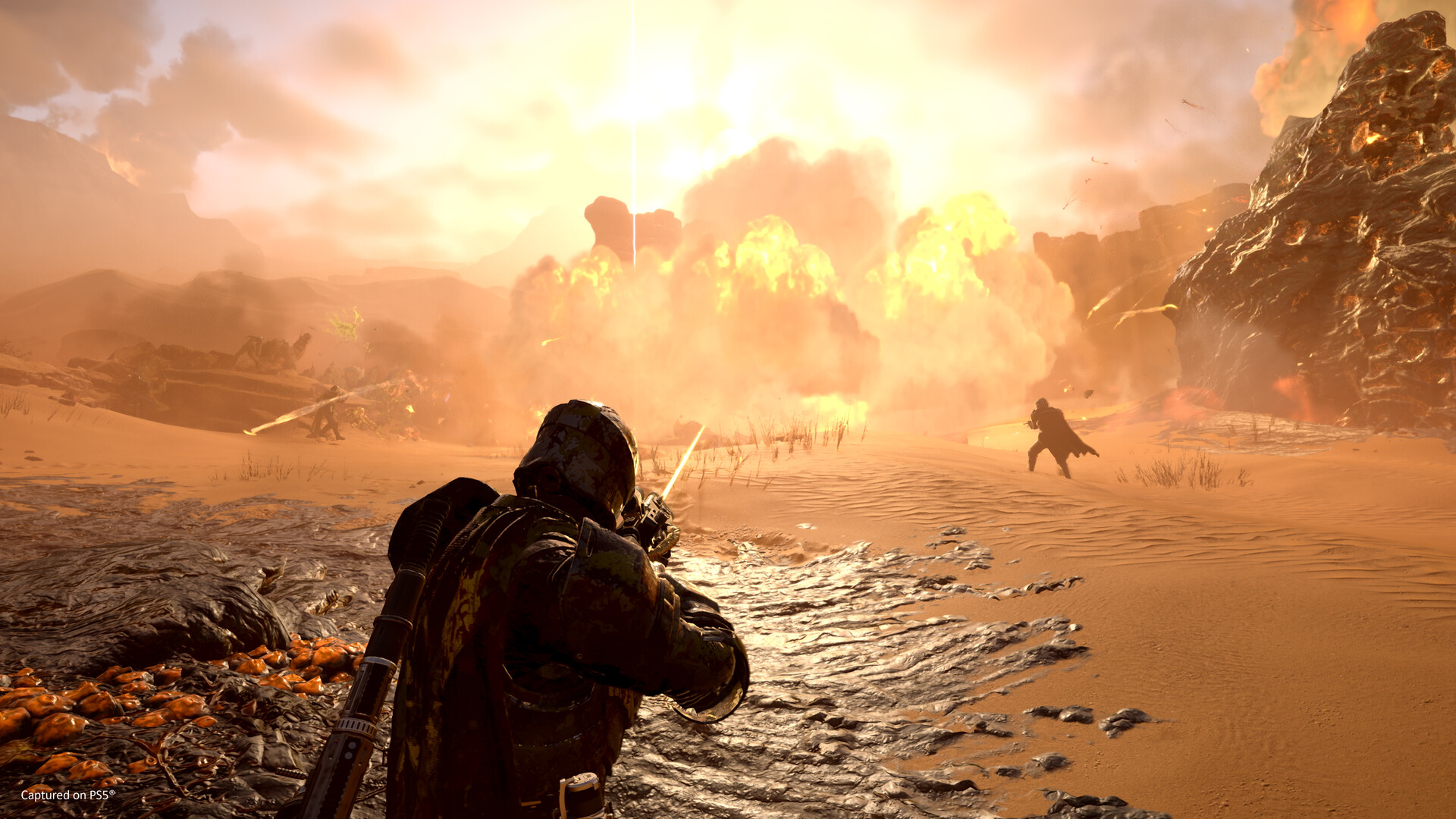
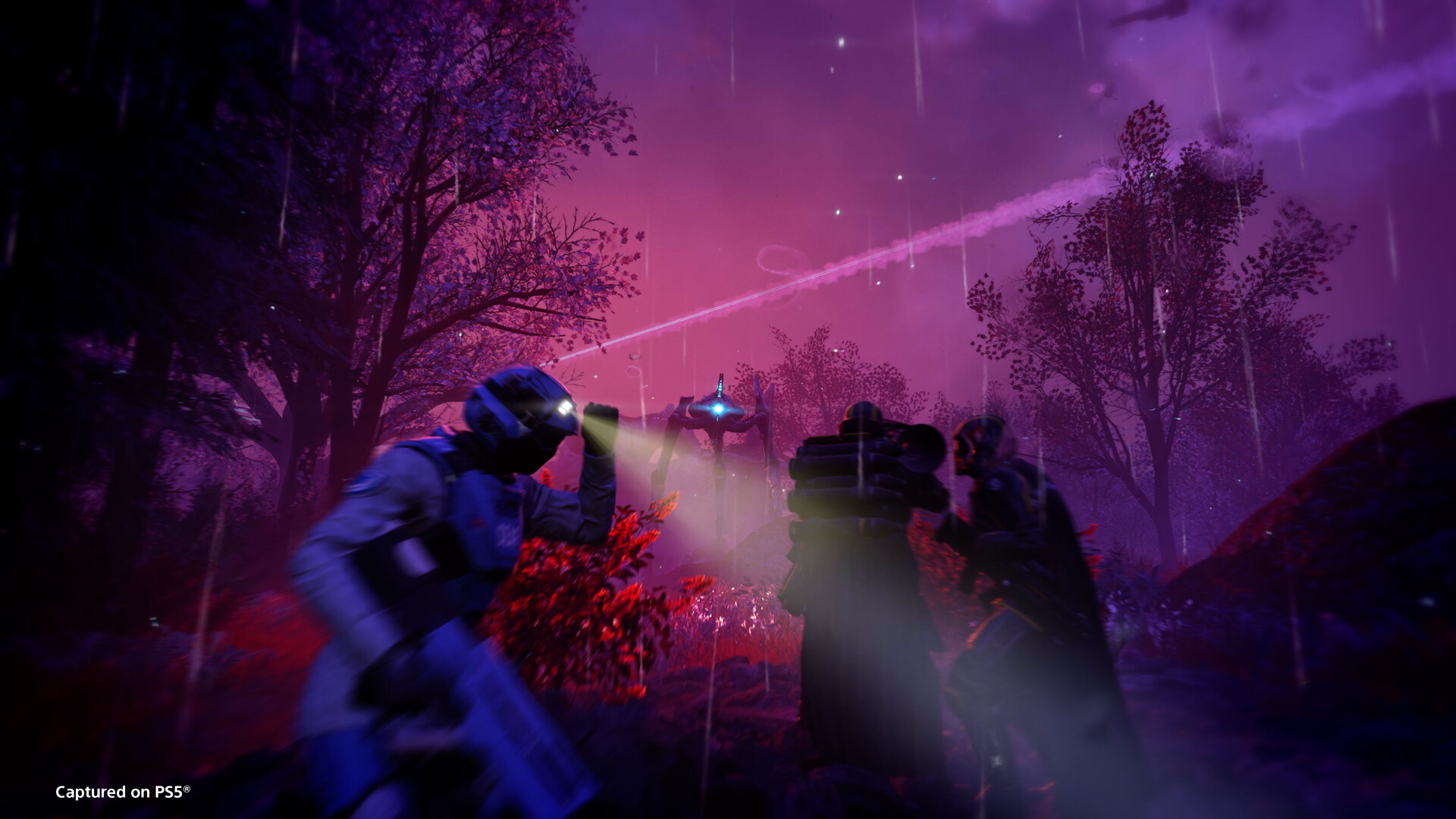
Screenshots


Reviewed by
HD2 Guides Editorial
Expertise: Editorial team behind HD2 Guides. Content is compiled from official patch notes, community wikis, and playthrough notes, then reviewed and updated on schedule.
Sources
Helldivers 2 Missions Guides →
Browse the complete missions collection and its focused guides.
Related Guides
🔥 Popular Guides
Helldivers 2 helldivers 2 warhammer 40k collaboration update Patch Notes Explained
Helldivers 2’s Warhammer 40K crossover adds Castellan’s Creed, new weapons, armor, enemies, missions, SEAF allies, and more.
Helldivers 2 super helldive achievement guide
Achievement guide for Helldivers 2 covering rare trophies, hidden requirements, missable timing, and a full Super Helldive completion route.
HELLDIVERS™ 2 all achievements: complete achievements guide
Full Helldivers 2 achievements guide with rarest trophies, hidden unlocks, missables, and a 100% completion route.
Helldivers 2 patch notes 7.0.2: What changed in the Void update era
What changed in Helldivers 2 patch notes 7.0.2, including new Illuminate threats, SEAF support, the level cap increase, and squad action items.
📋 Patch Notes & Updates
🛠️ Popular Tools
Was this guide helpful?
Rate this guide so we can improve it.
Share your own tip
Found something not in the guide? Submit it below — our editors review every tip before publishing. No account required.