 Helldivers 2
Helldivers 2 Are There Weapon Upgrades: Beginner Guide

Quick Answer: Helldivers 2 does not have traditional weapon upgrade trees; instead, you improve power through weapon unlocks, ship modules, stratagems, armor perks, and better loadouts rather than directly leveling individual guns.
Helldivers 2 Are There Weapon Upgrades? What the game actually gives you
Helldivers 2 does not use a classic “take one gun and upgrade it into a stronger gun” system, so the answer to Helldivers 2 Are There Weapon Upgrades is mostly no in the direct sense, but yes in the broader sense of progression. The game is a cooperative third-person shooter where your real power growth comes from unlocking new weapons, improving your ship, and bringing smarter tools into missions rather than adding damage mods to a single rifle.
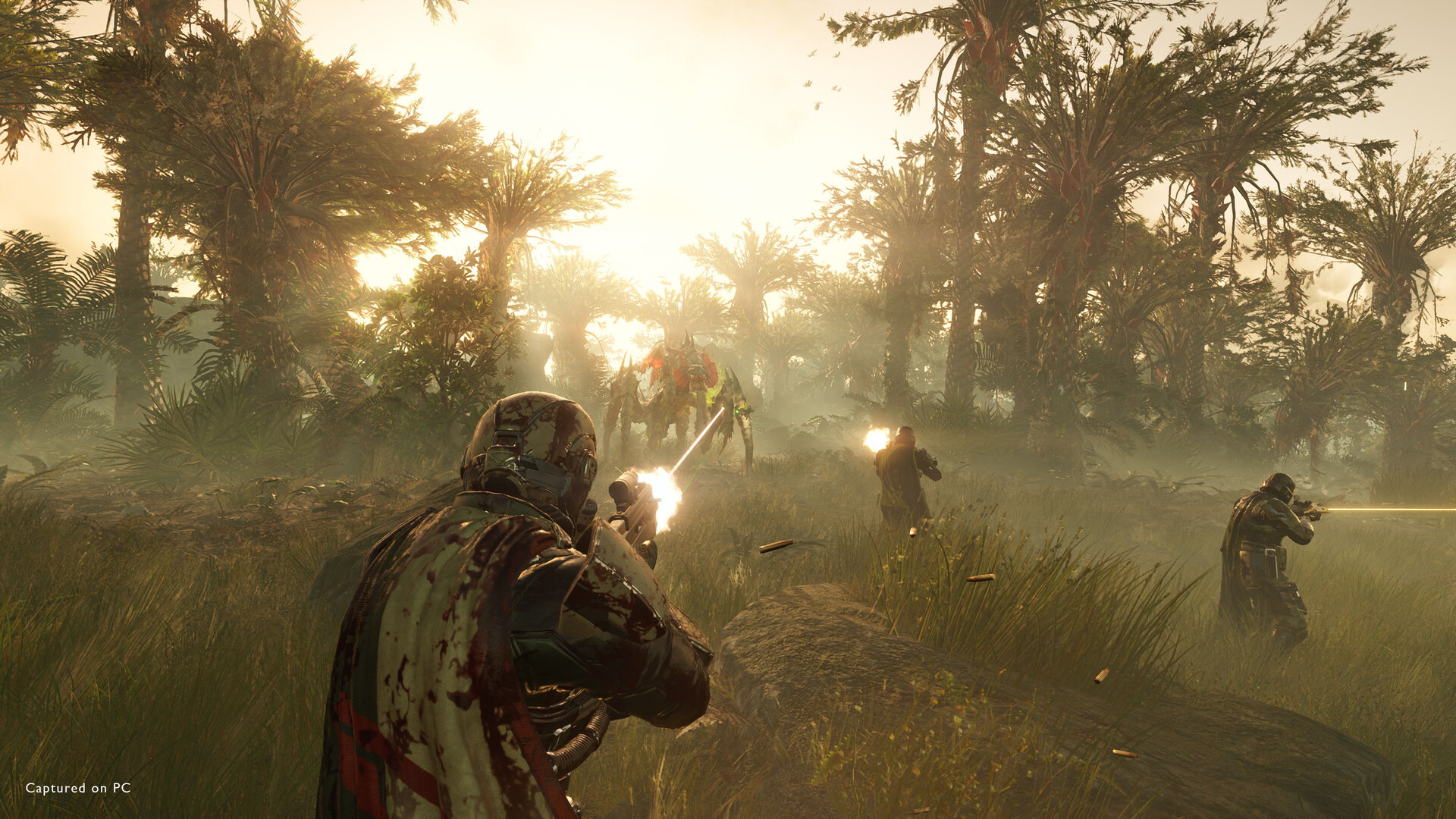
That means a beginner should stop looking for a smithing menu or attachment bench and start thinking in terms of loadout growth. For example, the AR-23 Liberator is an early primary that teaches you recoil control and ammo discipline, the MG-43 Machine Gun gives you a clearer role against swarms, and later choices like anti-armor support options change how you handle Charger or Bile Titan threats. Your “upgrade path” is therefore mostly about access and selection, not attachment slots.
A good mental model is this:
- Weapons are unlocked from progression tracks and battle pass-style systems.
- Ship Modules improve your stratagem performance, cooldowns, and utility.
- Armor and passives shape survivability and playstyle.
- Stratagems often matter more than the gun in your hands, especially on higher difficulties.
This matters because many new players waste time searching for upgrades that do not exist, while ignoring the actual power spikes available in the game. If you want to feel stronger early, focus on unlocks that add coverage: one reliable primary, one crowd-control support weapon, one anti-armor stratagem, and one emergency tool such as an orbital strike or Eagle call-in.
Helldivers 2 is also a sizable game with a long progression arc. HowLongToBeat reports roughly 32.43 hours for the main story and 89.29 hours for completion Source, which is a useful reminder that the game is built around gradual expansion rather than a short campaign with linear weapon leveling. On Steam, the game is currently marked Mostly Positive with 75.1% positive reviews across 1151055 reviews Source, so it has enough depth and community knowledge that beginners can learn efficient paths quickly if they ignore dead ends.
First-hour checklist
Your first hour in Helldivers 2 should be spent unlocking fundamentals, testing one or two support options, and learning mission flow rather than trying to “build a perfect loadout.” The biggest early mistake is to treat the first few missions like a loot game. This is a squad shooter with mission rewards, so the best opening plan is about habits: extract more often, spend fewer unnecessary resources, and learn how objectives actually move the map.
1) Finish the tutorial and immediately test your aim and stratagem input
The tutorial teaches the most important beginner skill: calling stratagems under pressure. Do not skip the practical lesson of entering codes while moving, because the game will ask you to do that in chaos later. Use this stage to practice with the Machine Gun Sentry, the Eagle Airstrike, and one support weapon if available to you. Even if you are not yet comfortable with the inputs, the point is to start building muscle memory.
2) Run low-difficulty missions with a simple, balanced loadout
Your first live missions should be on comfortable difficulties where you can survive mistakes and observe enemy behavior. Pick a loadout that covers three jobs:
- Primary for small enemies: AR-23 Liberator or another early all-rounder.
- Support for sustained damage: MG-43 Machine Gun or similar sustained-fire option.
- Emergency area damage: Eagle Airstrike or a similar fast-response stratagem.
That setup lets you respond to patrols, nests, and sudden swarms without needing a very specific build. Try at least one bug mission and one automaton mission so you learn the difference between melee pressure and ranged suppression. For example, bugs teach you movement, flanking, and crowd management, while automatons punish standing still and make cover more valuable.
3) Pick up samples, medals, and Super Credits whenever safe
In your first hour, resource collection is more important than perfect combat efficiency. Explore around objective routes, but do not wander so far that you split from the squad or fail extraction. If a teammate is clearing a nest or outpost, help them secure the area and then sweep the edges for pickups. Many beginners ignore samples because they do not understand what they do, but samples are the backbone of ship progression.
4) Extract even from imperfect missions
The real lesson in early Helldivers 2 is that extraction is not only for “good” runs. A mission with partial success still teaches better than a wipe, and you keep more progression than you would from failing outright. If the squad has the main objective done and the timer is getting tight, prioritize extraction over side objectives. You are learning mission discipline, not chasing a perfect scoreboard.
5) Spend only on one or two clear progression lanes
At the very start, resist the urge to scatter your currency across random unlocks. Choose one primary playstyle and one backup role. For example, you might unlock an anti-horde weapon first, then invest in ship modules that improve Eagle or orbital support. Another beginner might prefer to prioritize a versatile primary, then work toward armor or utility unlocks that make them harder to kill.
6) Watch how the squad handles reinforcement and respawn timing
Do not wait until you are dead five times to learn reinforcement etiquette. If a teammate falls near a nest or heavy enemy, use the reinforce tool when the squad has space to land safely. Learn to look at the map, identify safe drop zones, and avoid redeploying onto active danger unless the team explicitly wants a risky return. That small habit reduces chain deaths dramatically.
You might also like
- Helldivers 2 Reviewed by Game878Helldivers 2Read Full Review Story5Gameplay9Visuals9Audio8Value forMoney8 Beginner Guide
- Helldivers 2 fan creates indoor dungeon mission concept: Beginner Guide
- Helldivers 2 How to Destroy Fuel Silos and Stockpiled Ammunition
- Helldivers 2 Pages using DynamicPageList3 parser function: Beginner Guide
- Helldivers 2 How to Fix Stuck in Drop Pod Bug
Resource priority order
Your resource priority order should be samples first, then medals, then Super Credits, and finally surplus currency spent on cosmetic or convenience picks after your core progression is stable. In practical terms, beginners should think of resources as three buckets: one that unlocks long-term ship power, one that opens loadout progression, and one that can be saved for premium track options or future flexibility.
A helpful way to understand resource spending is to compare what each resource actually changes. The table below shows the beginner value of the main progression currencies.
| Resource | Best early use | What to avoid early | Why it matters |
|---|---|---|---|
| Samples | Ship Module upgrades | Spending them casually or ignoring higher-value module paths | Ship modules are among the clearest power gains |
| Medals | Unlocking useful weapons, armor, and warbond progression | Chasing every cosmetic or niche item first | Medals directly open stronger or more flexible options |
| Super Credits | Warbond access or premium unlock paths | Buying impulsively before checking upcoming needs | Super Credits are slower to replace and easier to waste |
| Requisition Slips | Stratagem unlocks you will use immediately | Buying situational stratagems too early | Stratagems often affect mission success more than primaries |
In the early game, samples are usually the most important because they translate into permanent ship upgrades that improve multiple runs. For example, if you upgrade the ship support that affects Eagle call-ins or orbital cooldown behavior, every future mission becomes easier, whether you are fighting Terminids or Automatons. That is a much larger gain than buying a slightly different primary too early.
Medals come next because they unlock your tactical identity. A beginner who opens a reliable primary, one strong support weapon, and a useful armor or utility path gains more than someone who hoards medals forever. Still, do not spend medals on random novelty picks if they do not change your loadout in a meaningful way. Prioritize items that solve a problem you already have, such as weak horde clearing, poor anti-armor options, or low survivability when repositioning.
Super Credits deserve special care. The game has premium-style warbond progression, and the news context around anti-cheat and Super Credit monitoring shows that the currency has real importance in the ecosystem. Because of that, treat Super Credits as a strategic reserve rather than a casual sink. If you have enough for a warbond choice that lines up with your intended role, great; if not, hold them until a better fit appears.
Requisition Slips should usually be spent on stratagems that immediately improve your squad utility. Early examples include a more reliable offensive call-in, a turret, or a support weapon that fills a missing gap. Do not dump requisition into flashy tools that you cannot support yet. A well-used Eagle Airstrike or Resupply option is often more valuable than a niche pick that sounds powerful on paper but rarely fits real missions.
A simple beginner spending rule is this:
- Spend samples on ship modules first.
- Spend medals on tools that answer a current weakness.
- Hold Super Credits until a warbond or premium purchase clearly improves your loadout.
- Spend requisition on stratagems that you will bring into missions immediately.
That approach keeps your account progressing in the same direction as your skill. It also prevents the common trap of unlocking many items while still lacking a coherent build.
Common mistakes beginners make
Beginners usually fail in Helldivers 2 for avoidable reasons, not because the game is unfair. The systems are demanding, but they are readable once you understand what matters. Below are the most common mistakes, why players fall into them, and the concrete fix that makes the biggest difference.
Mistake: Searching for direct weapon upgrades that do not exist
- Why it happens: Many players come from RPGs or looter shooters and expect an attachment or enhancement bench.
- Fix: Treat weapon progression as unlock-based, not upgrade-based. If you want more power, chase better primaries, support weapons, ship modules, and stratagem synergy rather than hoping the Liberator becomes a stronger Liberator.
Mistake: Ignoring samples because medals feel more exciting
- Why it happens: Medals immediately open visible rewards, while ship modules feel abstract.
- Fix: Make sample collection part of every mission route and spend them on ship modules as soon as you can afford a meaningful upgrade. A single ship improvement can help every future deployment.
Mistake: Bringing only one damage type
- Why it happens: New players often equip whatever feels strongest against light enemies.
- Fix: Build for mixed threats. For example, pair a reliable primary like the AR-23 Liberator with an anti-armor support weapon or a heavy offensive stratagem so you can handle both scavenger swarms and armored targets such as Chargers.
Mistake: Standing still to shoot longer than necessary
- Why it happens: Third-person shooting encourages “clear the target first” habits.
- Fix: Move after short bursts, especially against automatons and larger bug waves. Use cover, reposition after stratagems, and break line of sight when heavy enemies start focusing you.
Mistake: Burning reinforcement and stratagems too early
- Why it happens: Beginners panic when a squadmate dies or when enemies swarm.
- Fix: Save reinforcement and high-value call-ins for moments when they solve a concrete problem. If a Bile Titan is already on the field, a badly placed call-in wastes both time and lives.
Mistake: Overcommitting to side objectives while the team is collapsing
- Why it happens: Side tasks feel rewarding and can be marked on the map.
- Fix: Finish the main objective first, then decide whether you have the time and ammo to extend the run. Extraction matters more than a heroic detour that ends in a wipe.
Mistake: Treating friendly fire as a joke instead of a system
- Why it happens: The game is chaotic, and players assume a few accidental deaths are normal.
- Fix: Learn spacing, announce dangerous stratagems if you use voice or pings, and avoid dropping explosives on top of teammates. Friendly fire is not just a meme; it can ruin an otherwise clean mission.
Mistake: Bringing advanced difficulty expectations too early
- Why it happens: Players want better rewards and assume skill will scale automatically.
- Fix: Move up only when you can consistently complete objectives, extract with the squad, and manage ammo without panic. Difficulty is a test of consistency, not just aim.
Common Mistakes
The biggest beginner errors in Helldivers 2 are usually about tempo, not raw shooting skill. One player might have decent aim but still fail because they never manage distance, while another dies repeatedly because they keep calling dangerous stratagems into contested areas. The game rewards composure, sequencing, and awareness more than perfection.
A concrete example is the difference between two squad behaviors on a Terminid mission. A new player may sprint straight into a bug nest, fire until the magazine is empty, then get surrounded and call in reinforcement too late. A better player tosses an Eagle Airstrike, clears the outer ring, reloads behind cover, and only then pushes the objective. Both are “shooting,” but only one is playing the game on its own terms.
Another common issue is resource hoarding. Players often keep samples and medals unused because they are waiting for the “right” build, but that mindset slows down growth. If you have enough for a meaningful ship module or a core unlock, buy it and feel the difference in the next mission. Helldivers 2 rewards incremental improvement, and those incremental gains stack quickly when your squad is coordinated.
Finally, many beginners underestimate how often the environment itself is the threat. A well-placed turret, a narrow ridge, a delayed reinforcement, or a badly timed call-in can be more dangerous than a patrol. The solution is not to play timidly; it is to play deliberately. Move, place, reload, and call in help with intention. That habit alone will remove a large share of early deaths.
Pro Tips
These advanced beginner tips go beyond the obvious “stay with your squad” advice and help you start playing like a reliable Helldiver instead of a liability.
Tip 1. Bring one tool for emergencies, not three
If your loadout already has a crowd-control primary and a support weapon, do not fill every other slot with similar offense. Keep one slot for an emergency answer such as a fast orbital strike or a panic-clearing Eagle call-in, so you always have a reset button when a mission goes wrong.
Tip 2. Use terrain to force enemy approach angles
When you spot a patrol or a heavy target like a Hulk, move toward rocks, ridges, or buildings that create a predictable line of advance. That makes your grenades, turrets, and airstrikes far more effective than firing in open ground.
Tip 3. Learn to leave a fight before the fight leaves you
If a nest, outpost, or objective is taking too much ammo and time, break contact, reposition, and come back from another angle. Many successful runs come from deciding not to “finish the room” and instead clearing the objective by smarter route choice.
Tip 4. Keep your support weapon habit consistent
Pick a support weapon role and learn its recoil, reload rhythm, and ideal target type. A player who regularly uses the MG-43 Machine Gun will learn horde management, while someone who prefers anti-armor support will learn target prioritization against armored threats. Consistency matters more than novelty early on.
Tip 5. Reinforce to a safe point, not the nearest point
When reviving teammates, think about where they will land and what they can do immediately after spawning. Dropping them into a nest, under artillery, or beside a roaming heavy enemy often creates a second death before they can act.
Tip 6. Make extraction a planned phase
Do not treat extraction as an afterthought. Save at least one strong stratagem, clear the area before the shuttle lands if possible, and coordinate defensive angles. A clean extraction with samples is often worth more than a risky extra side objective.
Tip 7. Adjust expectations by enemy faction
Terminids often punish poor positioning and crowd control, while Automatons punish exposure and weak cover usage. If one loadout feels great against bugs but shaky against bots, that does not mean the build is bad; it means you need a second answer for a different threat pattern.
Graduation threshold: when you are no longer a beginner
You are out of the beginner phase when you can complete standard missions without relying on panic, understand your role in a squad, and consistently convert resources into meaningful upgrades. The transition is less about player level and more about whether you can repeat good decisions across different mission types.
A practical graduation checklist looks like this:
- You know the difference between main objective, side objective, and optional loot route.
- You can identify when to fight and when to disengage.
- You have at least one reliable setup for swarms and one answer for armored threats.
- You spend samples on ship modules with purpose rather than letting them pile up.
- You can extract on routine difficulties with a steady success rate, even when the mission gets messy.
You should also be comfortable changing your plan based on faction. If you can swap from a bug-clearing setup to a bot-clearing setup without feeling lost, that is a strong sign you have moved beyond the beginner stage. For example, you might use a horde-friendly primary and turret for bug missions, then shift to cover-oriented play with better long-range support when fighting automatons. The important part is not that you own every tool, but that you understand why each tool exists.
Another good sign is how you react to failure. Beginners usually assume a lost mission means they need better gear immediately. More experienced players know that the failure was probably tactical: bad spacing, poor reinforcements, wasted stratagems, or an overextended objective push. If you can diagnose the real reason a run failed, you have already crossed the biggest skill threshold.
If you are looking at Helldivers 2 Are There Weapon Upgrades from this stage onward, the answer becomes even clearer: the game’s real progression is about loadout maturity. You stop asking “How do I make this gun stronger?” and start asking “Which weapon, stratagem, and ship module combination solves the mission most cleanly?” That shift is the moment the game opens up.
Next-step internal links
Once you understand the basics, the next best reads are the guides that help you turn early knowledge into a stronger account and a more focused role. These are the most relevant follow-ups for a new player who has just learned how Helldivers 2 progression works.
- helldivers 2 available tips — Early Ship Modules Tier Guide
- related guide — Best Beginner Loadouts and Stratagem Picks
- related guide — Helldivers 2 Mission Walkthrough for New Players
Related Guides
- a new enemy faction — Best Beginner Weapons in Helldivers 2
- related guide — Helldivers 2 Stratagem Tier List
- related guide — Early Game Ship Module Priority Guide
- helldivers 2 halo tips — How to Beat Chargers and Bile Titans
- related guide — Automaton Combat Guide for Beginners
- related guide — Terminid Combat Guide for Beginners
- related guide — Best Solo and Duo Loadouts
- failed to join game — Mission Objectives and Extraction Basics
Sources
- https://store.steampowered.com/app/553850/
- https://howlongtobeat.com/?q=helldivers2
- https://www.metacritic.com/game/helldivers-2
- https://store.steampowered.com/app/553850/
See also
- Helldivers 2 Unnamed Super Earth Fighter Craft Beginner Guide
- Helldivers 2 How to Get the EX-03 Prototype 3 Armor Set
- Helldivers 2 Helldivers 1:Chief Communications Officer Beginner Guide
- Helldivers 2 Pages using Tabber parser tag Beginner Guide
- Helldivers 2 Failed to Establish Network Connection Error Beginner Guide
- Helldivers 2 patch notes 2026-07-23: Patch Notes Explained
- Helldivers 2 Does Support Crossplay and Cross Save: Beginner Guide
- Helldivers 2 Can You Change Ship Name: Beginner Guide
- Helldivers 2 System Requirements and Recommended Specs: Beginner Guide
- Helldivers 2 Xbox Release Time and Details Beginner Guide
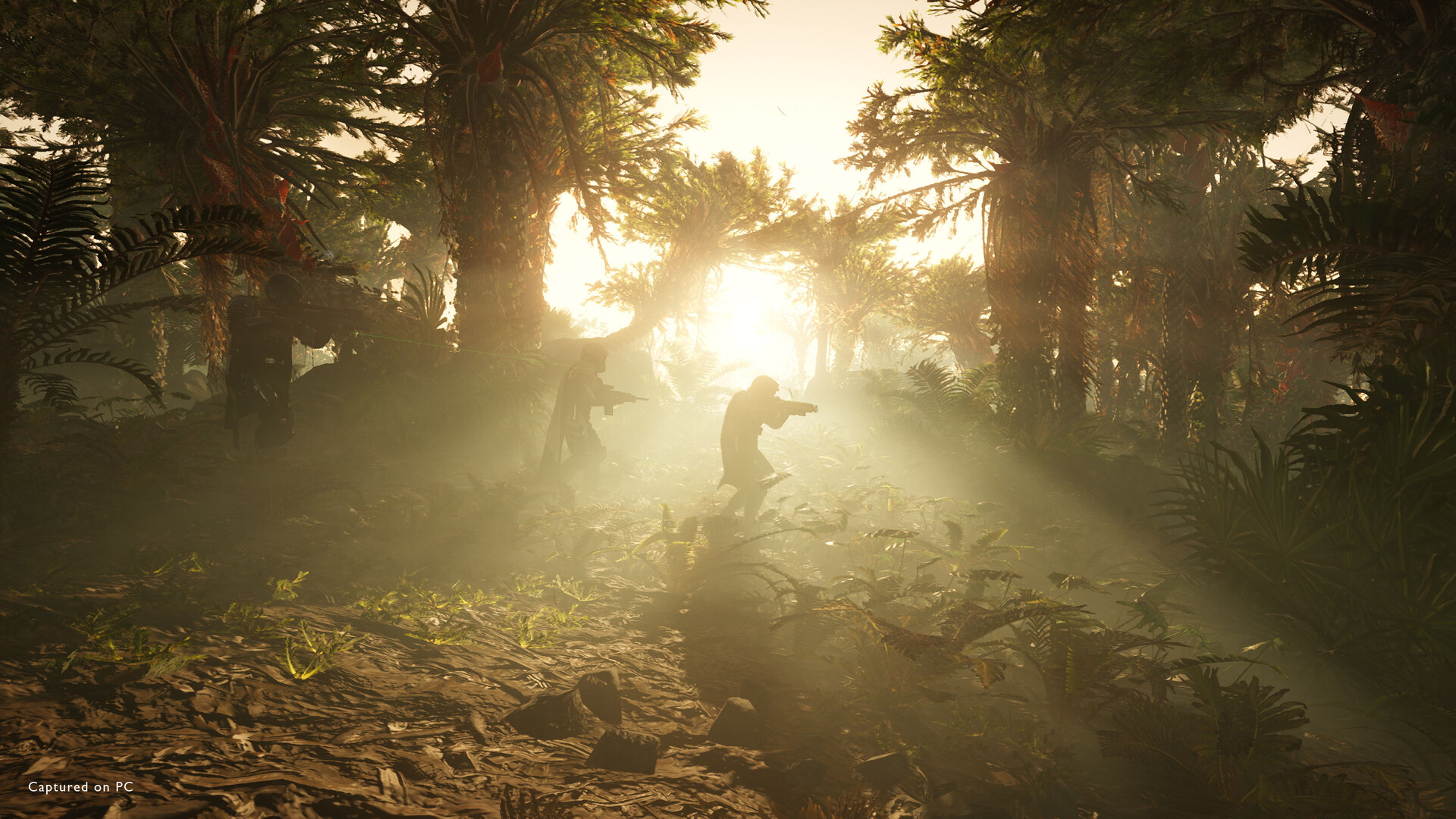
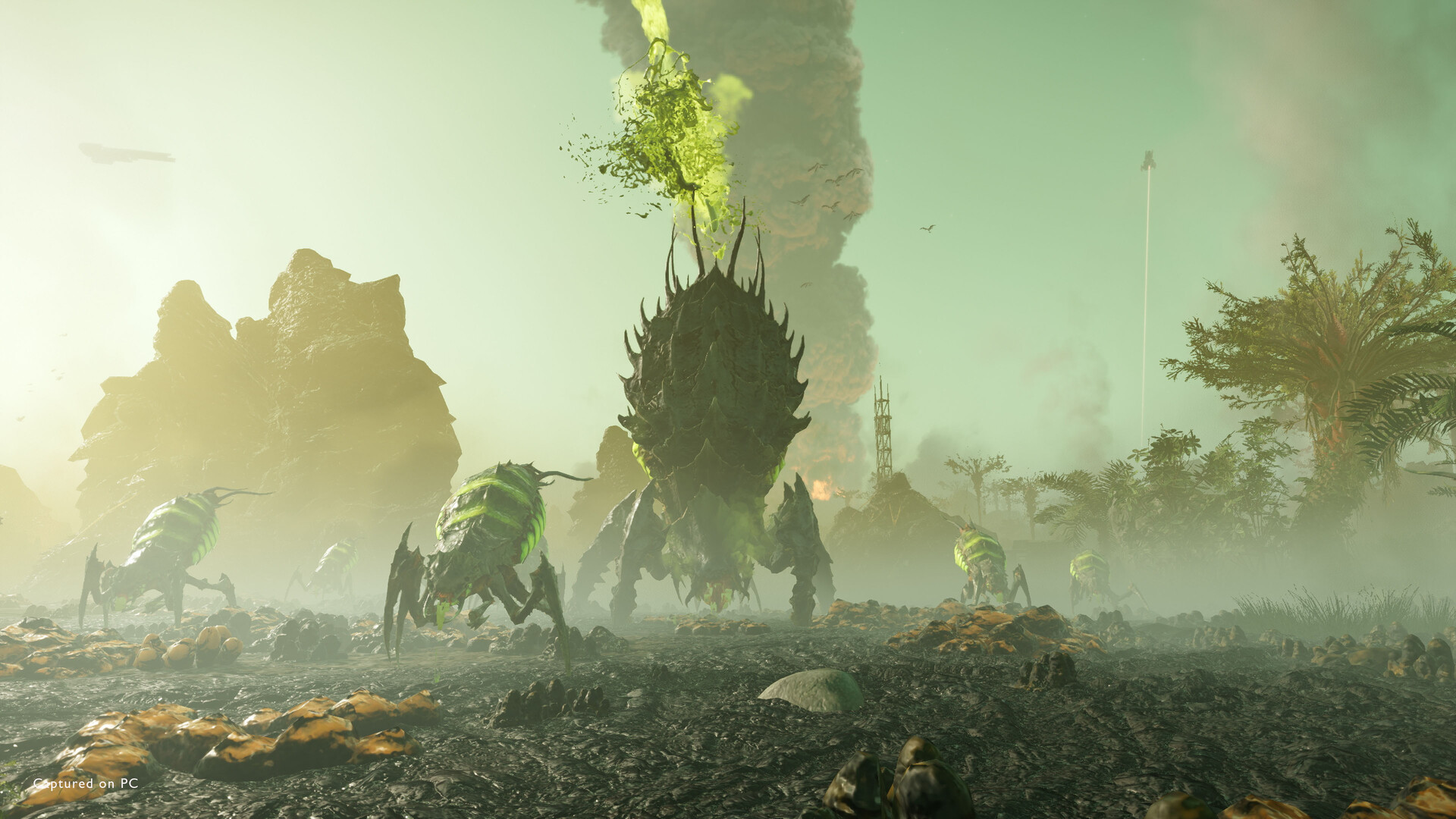
Screenshots

Reviewed by
HD2 Guides Editorial
Expertise: Editorial team behind HD2 Guides. Content is compiled from official patch notes, community wikis, and playthrough notes, then reviewed and updated on schedule.
Sources
Helldivers 2 Missions Guides →
Browse the complete missions collection and its focused guides.
Related Guides
🔥 Popular Guides
Helldivers 2 Tier List — Weapons, Warbonds, Armor & Stratagems
Master Helldivers 2 tier list hub: warbond rankings, armor passives, weapons, and stratagems. Jump to the warbond or armor list for your build.
Helldivers 2 Armor Tier List — Best Passives Ranked
Helldivers 2 armor tier list ranked by passive value: scout, medium, heavy, and specialist sets. Best passives for solo, co-op, and high difficulties.
Helldivers 2 Warbond Tier List — Best Warbonds to Buy First
Ranked Helldivers 2 warbond tier list: which warbonds to buy first, best value for medals, and what to skip. Updated for current meta.

Helldivers 2 Weapon Tier List: Best Weapons for Every Loadout
Compare the best Helldivers 2 weapons, budget substitutes, late-bloomers, reroll advice, and endgame loadout investments.
📋 Patch Notes & Updates
🛠️ Popular Tools
Was this guide helpful?
Rate this guide so we can improve it.
Share your own tip
Found something not in the guide? Submit it below — our editors review every tip before publishing. No account required.