 Helldivers 2
Guía para principiantes de Helldivers 2: cómo empezar en PS4, progreso temprano inteligente y errores comunes
Data note: Datos en vivo no disponibles al momento de escribir esto; revisa el panel KPI de arriba.
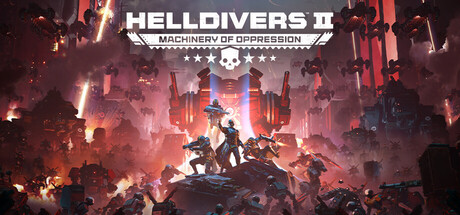
Helldivers 2 es un shooter rápido y centrado en el equipo, donde lo básico importa más que una puntería espectacular. Es un juego de acción cooperativo en tercera persona de Arrowhead Game Studios, ambientado en una guerra por Super Earth, y su tono va más de caos controlado que de jugar con calma detrás de coberturas Source Source. Eso lo convierte en una buena opción para jugadores nuevos que quieren un juego con un ciclo claro: entrar, completar un objetivo, extraer y llevarse las recompensas.
Un aviso rápido para cualquiera que busque helldivers 2 ps4: el juego no está en PS4. Si vienes de PlayStation, te interesa la plataforma actual compatible en lugar de planearlo pensando en hardware de la generación pasada.
Cómo se siente Helldivers 2 para jugadores nuevos
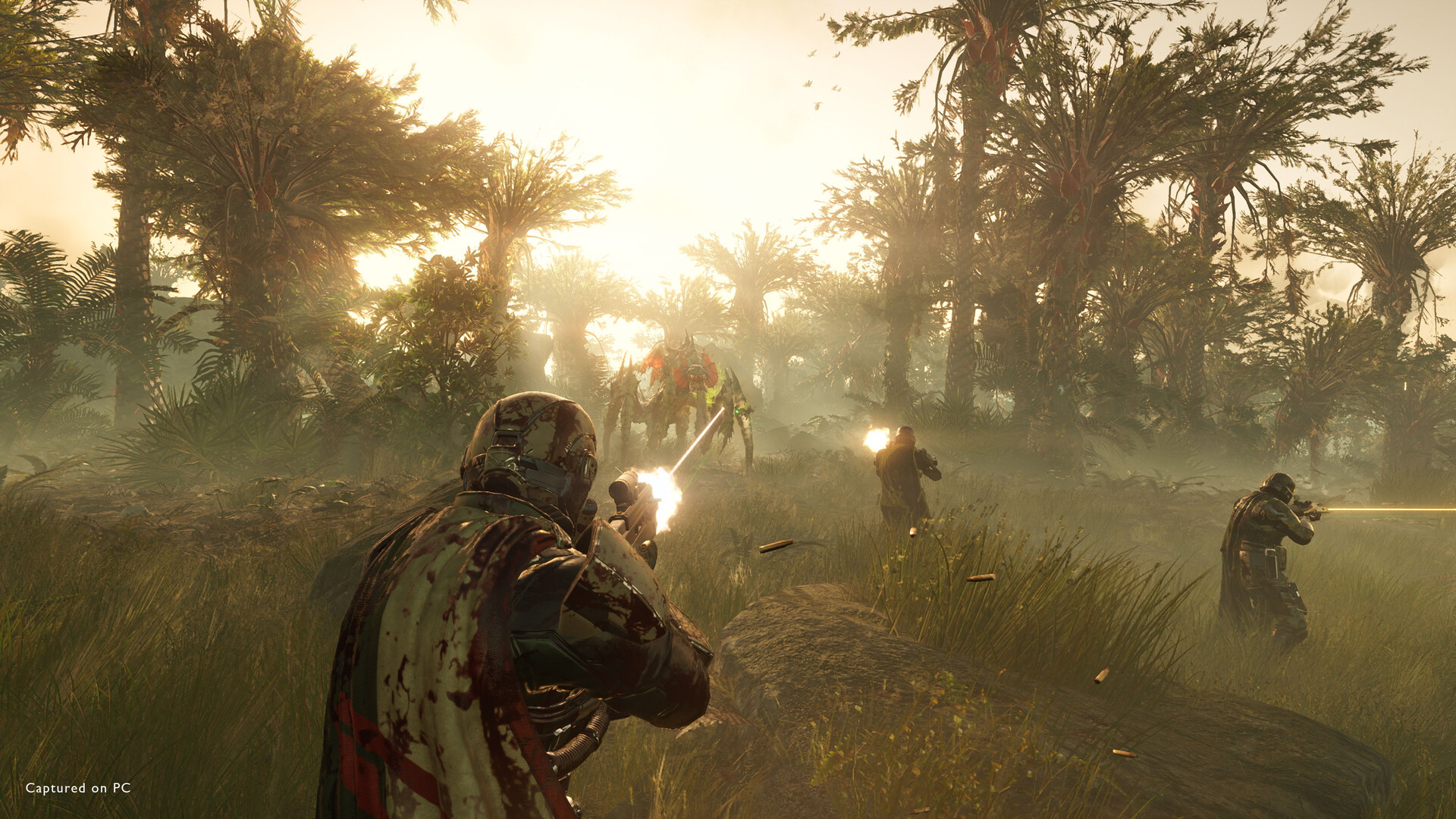
Lo primero que hay que entender es que Helldivers 2 no te pide ser perfecto. Te pide que no pares de moverte, trabajes con tu escuadrón y uses la herramienta adecuada para cada situación. Los enemigos pueden arrollarte rápido si te quedas quieto o peleas contra cada patrulla, pero el juego también te da suficiente poder como para salir de malas situaciones si mantienes la calma.
Para principiantes, el cambio mental más grande es este: tu trabajo no es limpiar a todos los enemigos del mapa. Tu trabajo es terminar la misión, sobrevivir a la extracción y llevarte el progreso. Eso significa saber cuándo pelear y cuándo irte. Muchísimos jugadores primerizos pierden tiempo persiguiendo cada bug breach o patrulla bot, y eso convierte pequeños errores en derrotas completas.
Una buena mentalidad al empezar es:
- Sigue el objetivo de la misión.
- Quédate cerca de tus compañeros.
- Usa los stratagems a menudo.
- Muévete antes de que la pelea se convierta en una trampa.
El ciclo es simple en papel, pero el juego recompensa la disciplina. Eso es lo que separa una primera noche dura de un progreso constante.
Key Systems Explained
Helldivers 2 tiene varios sistemas que influyen en casi cada misión.
Los Stratagems son las llamadas especiales que introduces durante una misión, como armas de apoyo, suministros, torretas, ataques orbitales y otras herramientas de campo. Muchos principiantes creen que estas son habilidades de “respaldo”. No lo son. Son una parte central de tu loadout, y muchas misiones se vuelven mucho más fáciles cuando las usas con regularidad en vez de guardarlas para emergencias.
Las Primary, secondary, and support weapons cumplen funciones distintas. Tu arma principal es la que más usarás. Tu arma de apoyo cubre una tarea específica, como anti-armor o control de multitudes. Tu secundaria está para emergencias cuando todo lo demás no está disponible. Al principio, no te obsesiones con los números de daño puro. Fíjate en si un arma te ayuda a resolver un problema real que tu escuadrón sí enfrenta.
Armor and mobility importan más de lo que muchos principiantes esperan. La armadura pesada puede ayudarte a sobrevivir más tiempo, pero también puede hacerte sentir torpe si todavía estás aprendiendo movimiento y distancia. Si eres nuevo, elige la opción que te deje seguir vivo y recolocarte con fiabilidad en vez de la que suena más fuerte sobre el papel.
Objectives and extraction son la verdadera condición de victoria. Una misión no va de inflar el contador de bajas. Una vez que el objetivo está hecho, lo más inteligente muchas veces es reagruparse e ir a extracción antes de que el mapa se descontrole.
First-Hour Checklist
Tu primera hora debería servir para ganar soltura, no para perseguir la perfección. Haz esto al principio:
- Termina el tutorial de apertura y presta atención a la práctica de input de stratagem.
- Juega una misión de baja presión con el objetivo de aprender movimiento, recargar, pedir apoyo y extraer limpio.
- Prueba al menos un support weapon y un stratagem defensivo para entender la diferencia entre ofensiva y utilidad.
- Recoge samples de la misión y otras recompensas siempre que sea seguro, pero no mueras por ellas.
- Observa cómo tu escuadrón maneja el reagrupamiento, la reinforcements y la presión del objetivo.
- Gasta tus primeras recompensas en herramientas que hagan las misiones más estables, no solo más ruidosas.
Si puedes terminar una misión sin entrar en pánico, y entiendes cómo reinforcements a un compañero y lanzar al menos un stratagem útil de memoria, ya pasaste la etapa de absoluto principiante.
Smart Early Choices
La etapa inicial es donde muchos jugadores, sin querer, desperdician impulso. La regla más importante es invertir primero en fiabilidad.
Resource priority order
- Compra o desbloquea herramientas que mejoren la supervivencia y el control de misión.
- Amplía tus opciones de stratagem para poder responder a más situaciones.
- Mejora los sistemas de la nave y otras mejoras persistentes que ayuden en cada misión.
- Guarda la moneda opcional para los desbloqueos que realmente uses, no para picks curiosos.
- Deja las opciones de lujo para cuando tengas un core loadout cómodo.
En la práctica, eso significa que deberías gastar primero en cosas que te ayuden a seguir vivo, mantener abastecido al escuadrón y lidiar con armor o hordes. Acumula la moneda de progreso más rara hasta que sepas qué tipo de jugador estás siendo. Un desbloqueo vistoso vale mucho menos si no encaja con tu estilo o con las necesidades de tu escuadrón.
Una regla simple para principiantes es: si una compra te ayuda a terminar más misiones, vale más que una compra que solo se ve emocionante en la pantalla de loadout.
Common Pitfalls and How to Fix Them
Gran parte de la frustración al empezar viene de un puñado de errores repetidos.
Mistake 1: Fighting every patrol Los jugadores nuevos suelen tratar cada contacto enemigo como una pelea obligatoria. Eso gasta munición, atrae más enemigos y ralentiza la misión. Fix: Sigue moviéndote cuando el objetivo lo permita. Usa un posicionamiento sigiloso, rodea las patrullas y comprométete solo con peleas que protejan la misión.
Mistake 2: Saving stratagems too long Algunos jugadores guardan orbital strikes, turrets y support drops hasta que la misión ya se está desmoronando. Fix: Usa los stratagems de forma proactiva. Si una herramienta resuelve el problema actual, lánzala. Una sentry o strike que evita un wipe vale más que una guardada para un momento perfecto que nunca llega.
Mistake 3: Splitting too far from the squad Ir por libre es una de las formas más rápidas de quedar tirado y convertir una misión manejable en una cadena de rescates. Fix: Quédate lo bastante cerca como para que tus compañeros puedan reinforcements y cubrir tu retirada. Si necesitas separarte, hazlo por poco tiempo y con un propósito.
Mistake 4: Ignoring mission priority A veces los principiantes persiguen samples, kills o peleas secundarias mientras el reloj y el objetivo siguen avanzando. Fix: Aprende primero el objetivo principal. Trata los bonus goals como opcionales, salvo que tu escuadrón ya haya estabilizado el mapa.
Mistake 5: Bringing gear you do not understand Es tentador ir de una vez a por el desbloqueo que más fuerte parece. Fix: Prueba el equipo nuevo en misiones más fáciles antes de depender de él. Si no conoces su alcance, su ritmo de recarga o su función, fallará en el peor momento.
Leveling Up Your Play
Cuando lo básico ya se siente natural, mejoras más por decisiones limpias que por mejor puntería.
Empieza a prestar atención a tres cosas:
- Qué tan rápido puedes recuperarte después de un error.
- Si tu loadout cubre armor, hordes y objetivos.
- Con qué frecuencia ayudas al escuadrón en vez de reaccionar tarde.
Este también es el punto en el que el éxito de misión depende más del timing que de la sorpresa. Empiezas a notar cuándo soltar suministros, cuándo retirarte y cuándo aguantar la posición para la extracción. También comienzas a entender qué stratagems son fiables para tu grupo y cuáles son más situacionales.
Una señal práctica de que estás subiendo de nivel es cuando dejas de preguntar “¿Puedo sobrevivir a esta pelea?” y empiezas a preguntar “¿Esta pelea realmente ayuda a terminar la misión?”. Ese cambio es enorme.
Graduation Threshold
Ya saliste de la fase de principiante cuando puedes hacer la mayoría de esto sin pensarlo mucho:
- Leer rápido un objetivo de misión y moverte hacia él con intención.
- Seguir vivo bajo presión recolocándote en vez de quedarte congelado.
- Usar stratagems de memoria en una pelea real.
- Recuperarte de la muerte de un compañero sin que el escuadrón se desmorone.
- Terminar misiones de dificultad baja con una idea clara de por qué salieron bien o mal.
Si eso te suena familiar, ya no estás aprendiendo los controles. Estás aprendiendo el ritmo más profundo del juego.
Guías relacionadas
Cuando ya domines lo básico, el siguiente mejor paso es especializarte un poco sin encerrarte en un mal hábito. Lee una related guide sobre los mejores beginner loadouts, luego pasa a una related guide sobre la progresión de dificultad para saber cuándo subir de nivel, y por último revisa una related guide sobre mission types and objectives para mejorar la toma de decisiones.
Preguntas frecuentes
Is Helldivers 2 good for solo players?
Sí, pero está pensado alrededor del trabajo en equipo. Jugar solo es posible en algunas situaciones, aunque el juego se disfruta más cuando entiendes los roles del escuadrón, los reinforcements y los objetivos compartidos.
What should I unlock first?
Empieza por herramientas que te hagan más consistente: support weapons útiles, opciones de suministro y stratagems que resuelvan problemas comunes. La consistencia temprana importa más que el daño vistoso.
How do I avoid dying so often?
Quédate cerca de tu equipo, muévete antes de que las peleas se descontrolen y usa cobertura y distancia. La mayoría de las muertes tempranas vienen de quedarse quieto, comprometerse demasiado o estar aislado.
Should I rush higher difficulty?
No. Sube cuando las misiones de menor nivel se sientan controladas, no cuando todavía se sientan aleatorias. Si pasas más tiempo recuperándote que completando objetivos, quédate abajo un rato.
What is the most important thing to learn early?
Aprender cuándo retirarte. Helldivers 2 recompensa a los jugadores que terminan la misión, no a los que intentan ganar cada pelea.
Is the game really about killing everything?
En la práctica, no. El objetivo de la misión importa más que el número total de kills, y moverse bien suele ganarles a los brute force.
Fuentes

Revisado por
HD2 Guides Editorial
Especialidad: Editorial team behind HD2 Guides. Content is compiled from official patch notes, community wikis, and playthrough notes, then reviewed and updated on schedule.
Fuentes
🔥 En tendencia ahora
HELLDIVERS™ 2: guía completa de todos los logros
Guía completa de logros de Helldivers 2 con trofeos más raros, desbloqueos ocultos, perdibles y ruta de finalización al 100%.

Guía de logros de super helldive de Helldivers 2
Guía de logros de Helldivers 2 que cubre trofeos raros, requisitos ocultos, ventanas perdibles y una ruta completa de finalización en Super Helldive.
Hora de lanzamiento de la actualización de Helldivers 2: notas del parche explicadas por el empuje anticheat de Arrowhead
Hora de lanzamiento de la actualización de Helldivers 2 explicado: parche anticheat del 10 de julio de 2026, monitoreo de Super Credits, ganadores, perdedores y acciones para jugadores.
Lista de desbloqueables y costo del Urban Legends Premium Warbond de Helldivers 2
Urban Legends cuesta 1,000 Super Credits, tiene 22 desbloqueables y necesita 836 Medals para completarse al 100% en Helldivers 2.
📋 Notas del parche explicadas
- → Hora de lanzamiento de la actualización de Helldivers 2: notas del parche explicadas por el empuje anticheat de Arrowhead
- → Notas del parche 7.0.1 de Helldivers 2 explicadas: qué cambió en la era de la actualización Devoid of Liberty
- → Notas del parche de Helldivers 2 2026-08-06: explicación del crossover con Warhammer 40,000
🛠️ Herramientas populares
¿Te resultó útil esta guía?
Valora esta guía para ayudarnos a mejorarla.
Share your own tip
Found something not in the guide? Submit it below — our editors review every tip before publishing. No account required.