Stardew Valley Beginner Guide: A Smart Start for New Farmers
Stardew Valley is famous for being cozy, open-ended, and quietly deep. That combination is exactly why so many beginners feel a little lost in the first few days. You inherit a broken-down farm, get handed some basic tools, and suddenly the game expects you to decide what kind of life you want to build.
The good news: you do not need to optimize everything on day one. You just need a clear plan, a few priorities, and a solid understanding of how the major systems fit together. This beginner guide focuses on the essentials, from your first morning to the point where you stop feeling like a newcomer and start feeling like a real local.
For players searching for stardew valley codes, there’s an important note up front: the game is not built around cheat codes in the traditional sense. What most people mean by that phrase is usually item IDs, console-style tricks, or helpful shorthand for spawning items in modded setups. If you’re just starting out, though, the best “code” is learning the game’s systems well enough to make smart choices without stress. For a deeper look at advanced mechanics later, check our related guide.
Your First Days on the Farm
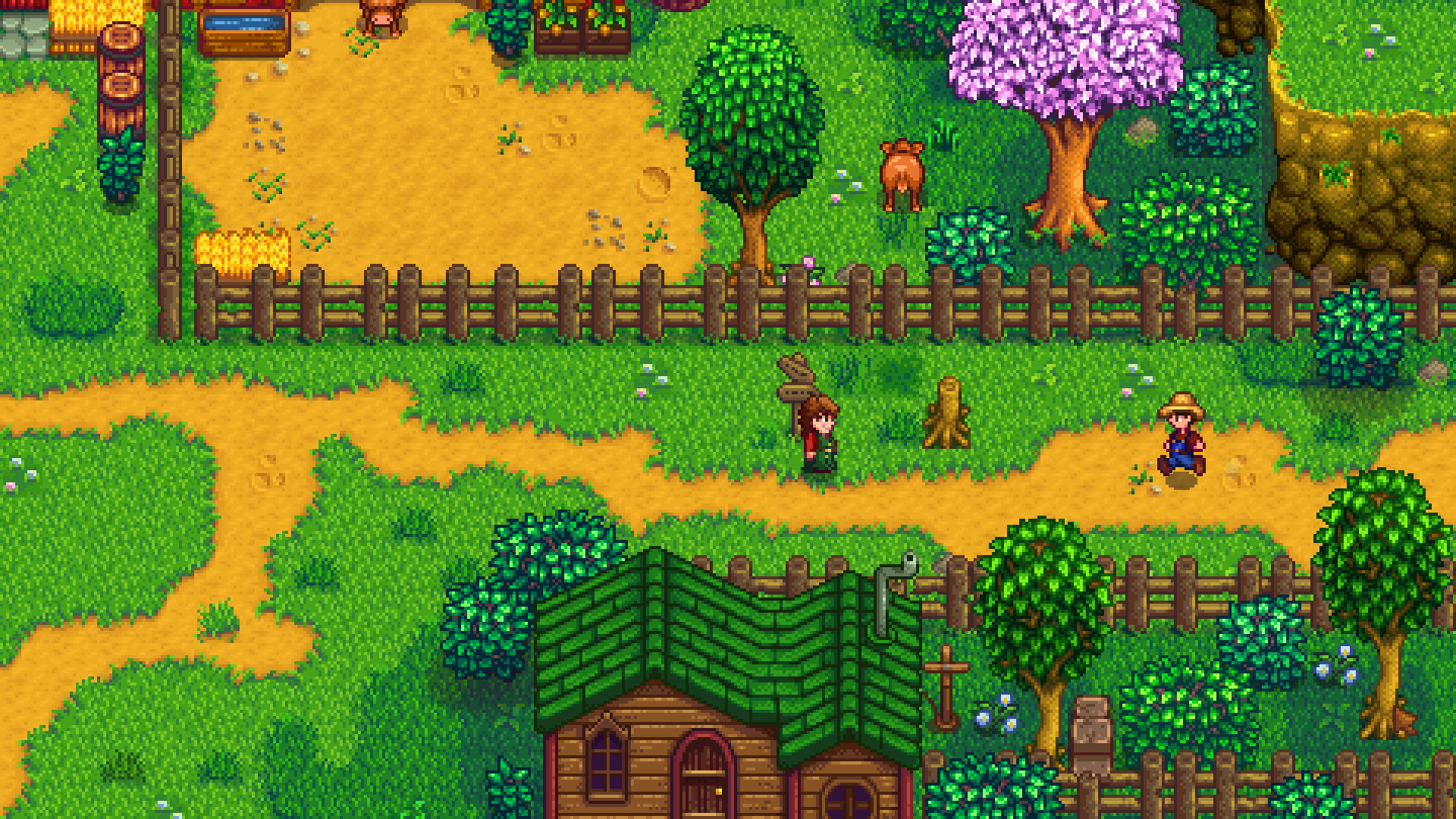
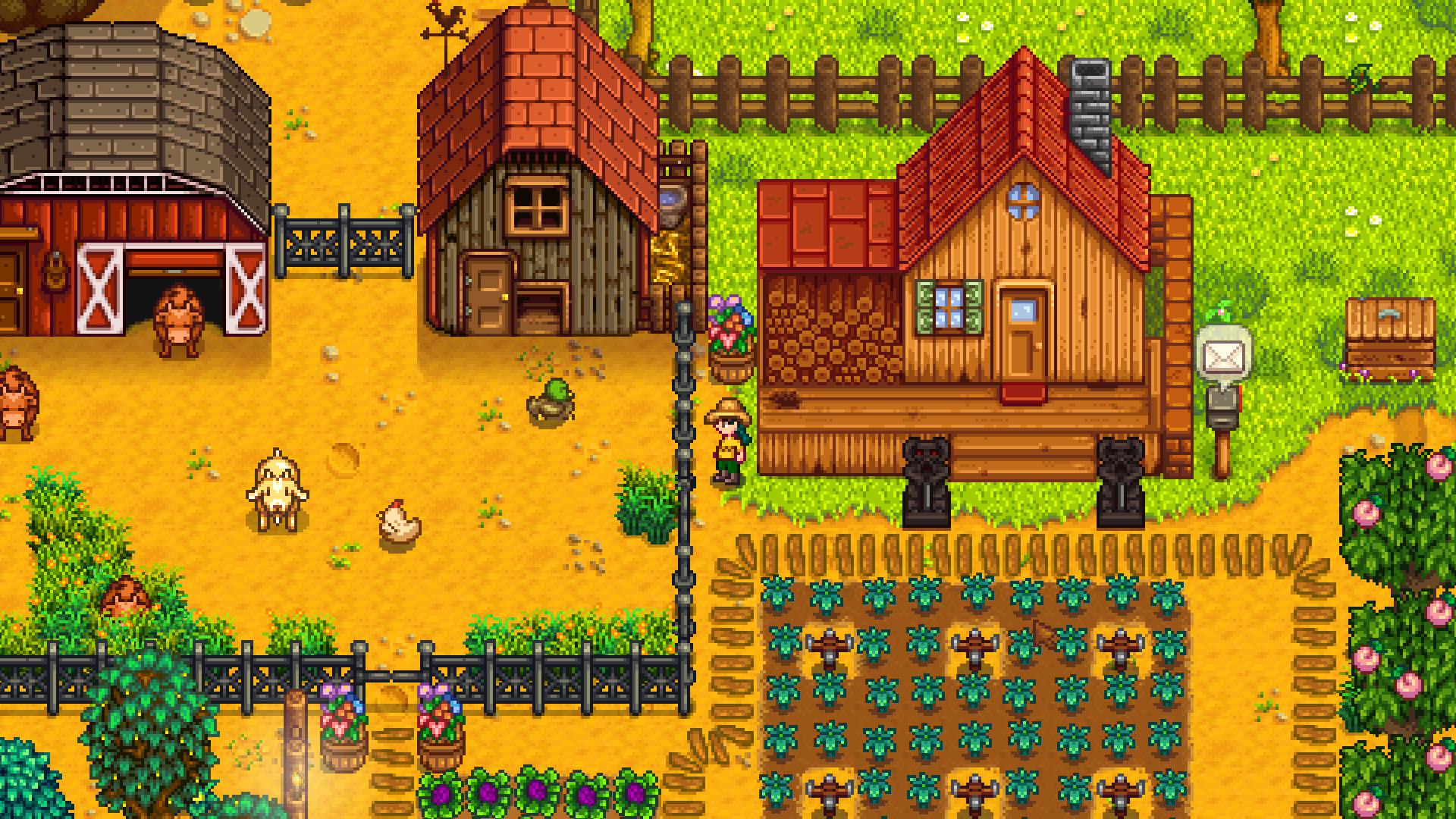
Stardew Valley starts with a simple premise: you’ve inherited your grandfather’s old farm plot, complete with hand-me-down tools and a few coins, and your goal is to turn an overgrown mess into a home. That setup comes straight from the game’s official description, and it’s the right mindset for a beginner: you are not “behind,” you are starting from scratch. Source
Your first instinct may be to clear the entire farm immediately. Don’t. Early energy is limited, and wandering into an all-day cleaning spree usually leaves you exhausted and unable to do anything else. Instead:
- Clear just enough space to plant a small crop area.
- Pick up forage items when you spot them.
- Water your crops every morning.
- End your day before you run yourself into the ground.
A gentle opening is part of the design. Stardew Valley is a long-form game, and if you want an idea of its scope, HowLongToBeat reports roughly 53.39 hours for the main story, 94.52 hours with extras, and 171.19 hours for completion. Source That’s a strong hint that this is a marathon, not a sprint.
Also, don’t worry if your first few days feel repetitive. The early loop is intentionally small: plant, water, explore, sleep, repeat. Once you accept that rhythm, the game opens up fast.
The Core Systems You Need to Understand
Before you can play well, you need to understand the few systems that drive almost everything.
Energy and time
Every action costs time, and many actions cost energy. Chop too many trees, mine too long, or spam tools without planning, and you’ll burn through the day before accomplishing much. The key beginner lesson is that time is often more valuable than raw effort.
Ask yourself: “What is the one thing I want to finish today?” That mindset keeps you focused.
Farming
Farming is the most obvious pillar, but it’s not the only one. Crops are a steady source of money, but they also teach you planning: some crops grow fast, some take longer, and some are better at different times of the season. In the early game, simple crops are usually best because they give you quicker returns and are easier to manage.
Foraging
Foraging is one of the easiest ways to make progress without much risk. Wild items can be sold, gifted, saved for crafting, or used in community goals later. It also rewards exploration, so if you see something shiny on the ground, pick it up.
Mining and combat
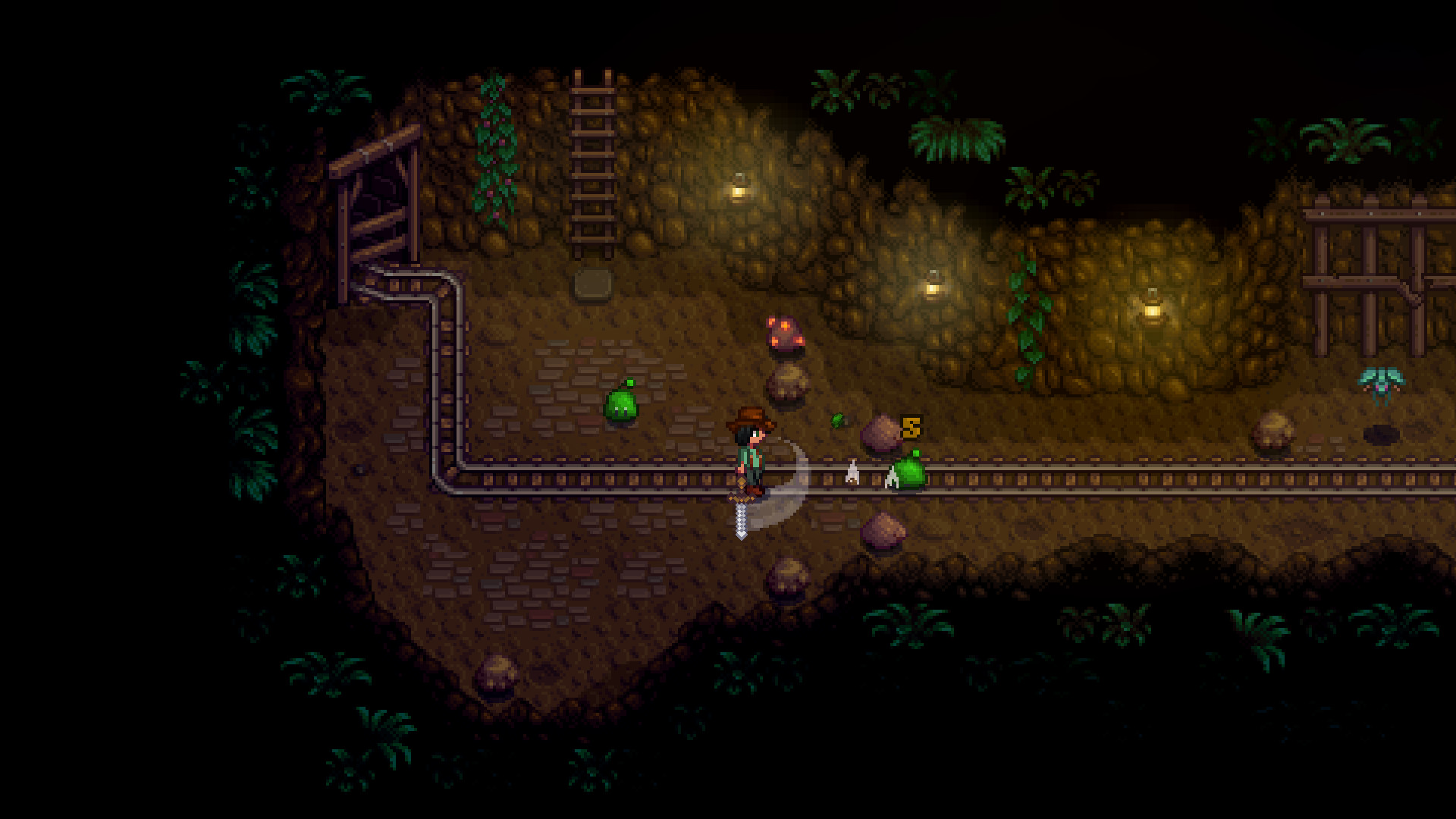
Mining is where your resource stock starts to improve. Ore, stone, geodes, and deeper progression are all tied to the mines. Combat can feel clumsy at first, especially if you’re not used to action in a farming sim, but you don’t need to master it instantly. Just learn enemy patterns, carry food when possible, and leave if you’re getting overwhelmed.
Socializing
Villagers matter more than beginners expect. Talking to people daily, giving thoughtful gifts, and participating in town life unlocks more than flavor text. It’s one of the reasons Stardew Valley feels alive rather than like a pure management sim. If you’re ever unsure what to do with an evening, walking through town and chatting is rarely wasted time.
For players coming from other games, this may be where Stardew Valley feels most different: progress is spread across many systems, not locked to one “main” objective.
A Practical Early-Game Roadmap
If you want a simple way to structure your first season, use this priority order.
1. Stabilize your farm
Your first goal is consistency, not perfection. Build a routine you can repeat every day:
- Water crops
- Check your mailbox
- Pick up forage
- Tend animals if you have them later
- Spend leftover energy on one useful task
If you keep losing track of where your time goes, pause and ask what action creates the most value today.
2. Make a little money every day
In the early game, steady income matters more than flashy profits. Sell the things you can spare, but don’t dump everything at random. Some items are worth holding onto because they are useful for bundles, crafting, cooking, or gifts later.
A good beginner habit is to keep at least one copy of unusual items until you learn their purpose. That alone prevents a lot of regret.
3. Explore the town and unlock daily routines
The map is not huge, but it’s easy to miss useful places if you only stay on the farm. Explore the valley, learn where villagers stand during the day, and figure out which areas matter for your current goals. The more familiar the world feels, the faster your decision-making becomes.
4. Start mining when you’re ready
Once your farm is under control, the mines become a major source of progress. You’ll find materials needed for upgrades, tools, and future projects. Don’t rush to go deep every day. A short, efficient mining trip is usually better than a long, draining one.
5. Build toward bigger upgrades
Tool upgrades, better crop management, and more efficient resource loops all come later. The early game is about setting foundations so these upgrades actually pay off.
If you like planning, this is also where many players start looking up stardew valley codes or item shortcuts. That can be useful in modded play, but for a first run it’s better to learn the base game first. You’ll get much more out of any future shortcuts if you understand the normal flow.
Mistakes New Players Make All the Time
Beginners usually don’t fail because Stardew Valley is hard. They fail because they try to do too much at once.
Trying to clear the whole farm immediately
This is probably the most common mistake. A clean farm feels satisfying, but it is not your first priority. Early on, only clear what you need for crops and basic movement. Spend the rest of your effort on money, exploration, and learning.
Ignoring sleep and energy management
Passing out, running out of energy, or stretching yourself too thin can destroy an otherwise productive day. Sometimes the smartest move is to stop early, bank your gains, and start fresh tomorrow.
Selling everything too quickly
New players often sell rare-looking items because they don’t yet know what matters. That can be costly. When in doubt, keep one of everything until you understand it better.
Forgetting seasonal limits
Some crops only grow in specific seasons. If you plant too late, you may lose the chance to harvest before the month ends. Always check how long a crop takes before committing your money.
Neglecting villagers
It’s easy to treat the town as background scenery, but relationships are a big part of the game’s long-term rewards. Even a few seconds of conversation each day helps.
Treating the game like a checklist
Stardew Valley becomes richer when you let it breathe. Yes, goals matter, but not every day has to be hyper-efficient. Part of the charm is choosing whether to fish, farm, mine, or just wander around and see what happens.
When You Stop Being a Beginner
You’re probably past the beginner stage when your days start running on purpose instead of on panic.
That usually looks like this:
- You know which tasks are worth doing in each season.
- You have a repeatable money plan.
- You understand why certain items should be saved.
- You can move between farming, mining, and socializing without feeling lost.
- You know when to slow down and when to push for progress.
At that point, the game becomes less about surviving each day and more about shaping your farm and your life around a personal vision. Some players optimize profits. Others collect, decorate, romance villagers, or chase completion goals. Stardew Valley supports all of that.
If you want a benchmark for how deep the game can go, Steam’s achievement stats show the rarest of the 49 tracked achievements is unlocked by only 1.3% of players. Source That’s a great reminder that there is always more to do once the basics feel easy.
Stardew Valley also has a huge community footprint, with Steam’s official review summary currently reading "Overwhelmingly Positive" (98.5% positive) across 1022310 reviews. Source A game that beloved usually stays popular for a reason: there’s room to play casually, but also room to go very deep if you want to.
If you’re thinking beyond beginner play, this is the stage where the community starts getting more playful with things like stardew valley codes, challenge runs, and modded save ideas. But none of that is required. The base game already gives you a full, satisfying experience.
FAQ
Is Stardew Valley good for complete beginners?
Yes. It’s one of the most beginner-friendly life sims out there because it teaches you through routine rather than heavy tutorials. You can learn at your own pace.
What should I do first in Stardew Valley?
Plant your starter seeds, water them, and spend the rest of your first days exploring the town, gathering forage, and learning the map. Don’t overcommit to farm cleanup right away.
Do I need to min-max to enjoy the game?
Not at all. You can play efficiently, but Stardew Valley is also great as a relaxed sandbox. Many players enjoy it most when they stop worrying about perfect optimization.
Are stardew valley codes required to progress?
No. The game is designed to be played normally. If you see people talking about codes, they usually mean mods, item IDs, or other outside-the-base-game tools.
What’s the biggest beginner mistake?
Trying to do everything at once. Focus on a manageable daily routine, keep your energy under control, and accept that progress is gradual.
Should I focus on farming, mining, or socializing first?
Early on, a balanced approach works best. Farming brings steady money, mining unlocks materials, and socializing builds long-term rewards. You don’t have to choose only one.