 Helldivers 2
Helldivers 2 Malevelon Creek Memorial Day Beginner Guide
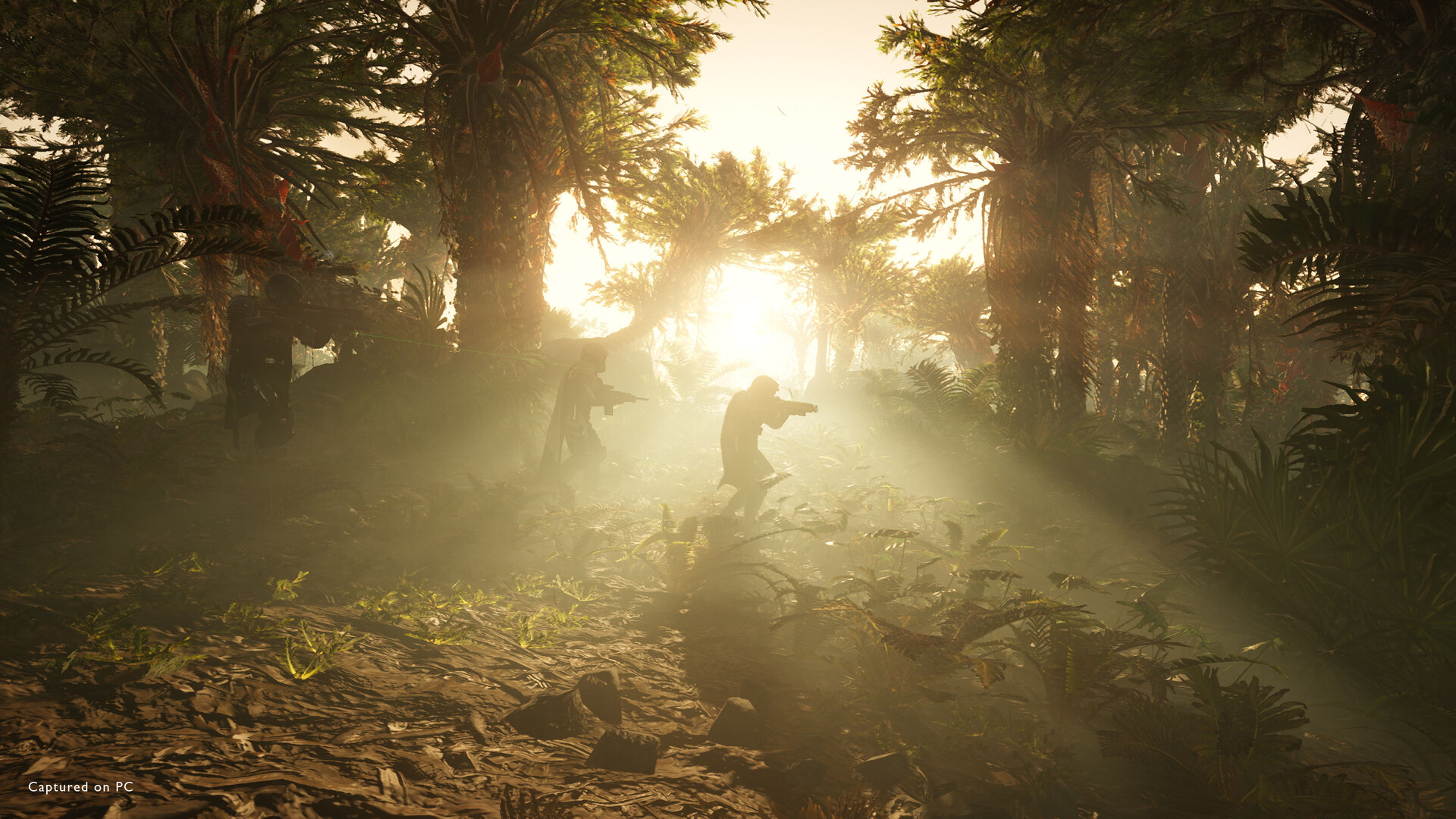
Quick Answer: Helldivers 2 Malevelon Creek Memorial Day is best treated as a community reminder to learn the game’s basics: finish your first missions, unlock key stratagems, spend medals and samples wisely, and stop hero-diving into every laser swamp like you’re invincible.
What Helldivers 2 Actually Is
Helldivers 2 is a fast, cooperative third-person shooter where teamwork, positioning, and smart stratagem use matter more than raw aim. It is developed by Arrowhead Game Studios and published by Sony Interactive Entertainment, and the game’s premise is pure satirical war propaganda: you are a Helldiver spreading “managed democracy” across a hostile galaxy. That means the game is as much about chaos management as it is about shooting bugs and bots.
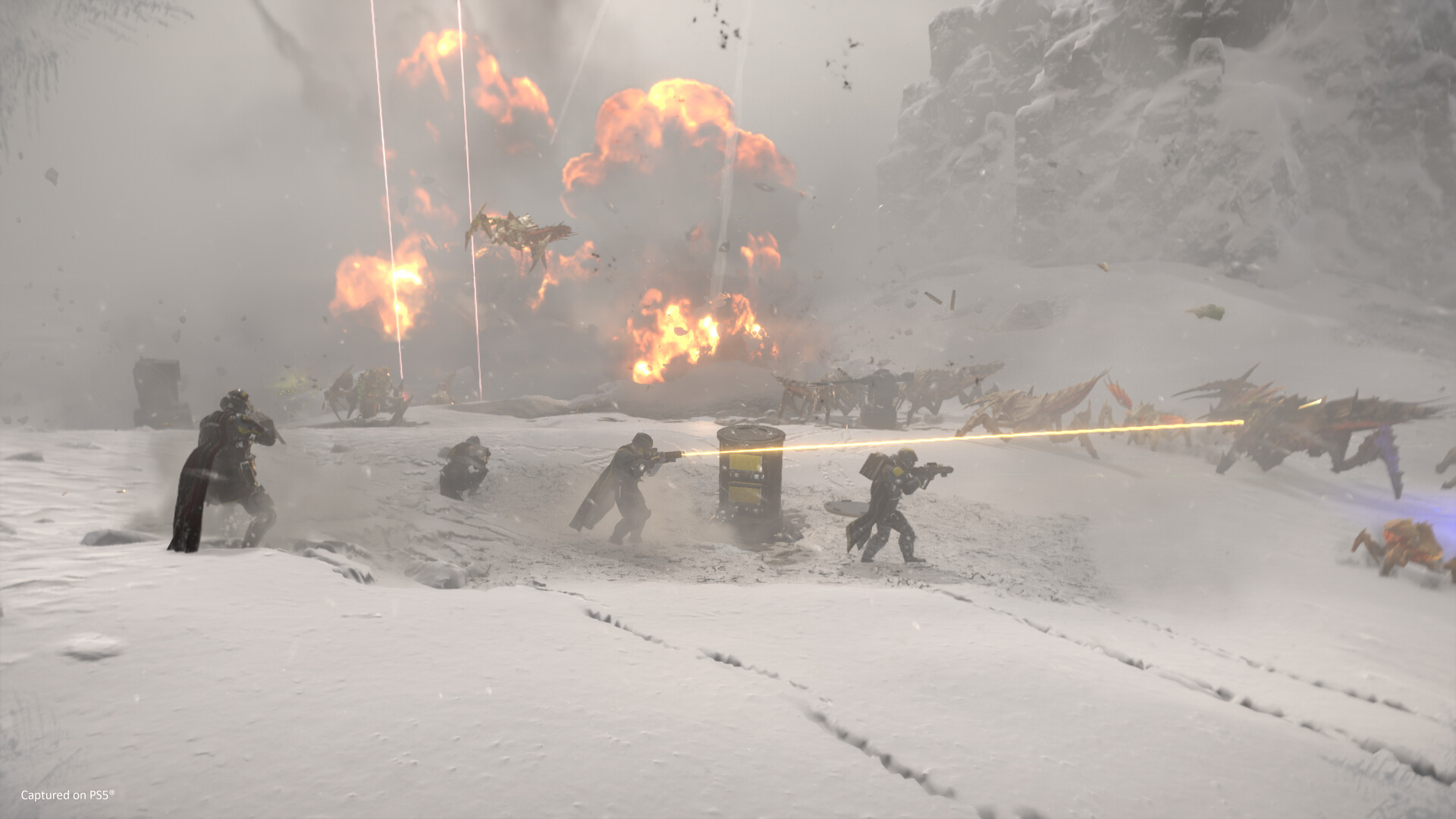
For new players, the important thing to understand is that Helldivers 2 is not a solo power fantasy where you sprint forward and delete everything in sight. It is a co-op pressure cooker. Friendly fire is real, objectives matter, and every mission can go sideways if the squad treats it like a normal shooter. A Malevelon Creek Memorial Day nod fits naturally here because that infamous battlefield became shorthand for “learn the hard way” Helldivers culture: lots of smoke, lots of lasers, lots of regret.
A few grounded facts help set expectations. HowLongToBeat lists roughly 32.43 hours for the main story and 65.01 hours for main plus extras, with 89.29 hours for completionists Source. Steam’s official review summary currently reads “Mostly Positive” (75.1% positive) across 1151055 reviews Source. That’s a very healthy sign for a game that thrives on emergent squad stories, especially if you enjoy learning systems by doing rather than by spreadsheeting your life away.
If you are coming in from other shooters, the biggest mindset shift is this: Helldivers 2 rewards discipline. Hold lanes. Throw stratagems carefully. Keep an eye on the map. And if a teammate pings a retreat, that is not cowardice; that is probably wisdom.
First-Hour Checklist
Your first hour should be spent unlocking the basic loop, testing your preferred weapons, and earning enough currency to make the early game feel less awkward. The goal is not to become “good” immediately. The goal is to become functional, which in Helldivers 2 is already a big upgrade over sprinting into a rocket barrage.
1) Finish the tutorial and read the stratagem prompts
The first thing you should do is complete the opening tutorial and actually pay attention to how stratagem input works. Helldivers 2 is built around calling down support tools under pressure, and if you never internalize the input rhythm early, you will panic later when your squad desperately needs ammo, a turret, or an emergency orbital strike.
Examples of early stratagem behavior you should practice:
- Calling a reinforcement beacon before your squad gets wiped.
- Dropping an ammo supply when a mission drags on and everyone is low.
- Testing a simple offensive tool like an orbital strike on clustered enemies.
The trick is to use the tutorial space to make mistakes safely. If you mis-input a code there, nothing catastrophic happens. In an actual mission on a bot planet, the same error might leave your team staring at a glowing red beam while a Hulk closes the distance. Fun.
2) Run low-difficulty missions and prioritize extraction
For your first several missions, stay on low difficulty and focus on clean completions rather than flashy kills. Mission success gives you progress, samples, requisition, and a better understanding of how objectives are structured. Extraction is also worth learning early because many new players overcommit to the last fight and die with the mission complete.
Good starter mission behaviors:
- Clear the main objective first when your squad is uncertain.
- Extract when the timer or reinforcement pool starts getting ugly.
- Leave optional fights if they are burning too many lives.
Two concrete examples that teach the right habits:
- On a bug mission, finishing the objective and leaving a nest you do not need is often better than trying to “clear the whole map.”
- On a bot mission, taking cover near terrain and moving methodically often beats charging an open plateau like a movie extra.
3) Test at least one support weapon and one defensive stratagem
You should try a support weapon and a defensive or utility stratagem during the first hour so you learn that Helldivers 2 is not just “primary gun + hope.” The game opens up once you understand that your loadout is a toolbox, not a personality quiz.
A useful early habit is to test combinations such as:
- A support weapon for armored targets.
- A resupply or ammo-focused tool to keep the squad stable.
- A defensive placement tool like a turret or minefield for choke points.
Try these in actual missions, not just the ship menu. The difference between “this looks good on paper” and “this kept us alive at the extraction beacon” is enormous. A weapon that feels mediocre in a quiet test area can become excellent when your squad is pinned behind a ridge and bots are marching in from three angles.
4) Spend early requisition on flexibility, not novelty
Your first purchases should make the game easier, not merely cooler. New players often chase the flashiest-looking stratagem, but the best early unlocks are the ones that solve common problems: ammo, mobility, crowd control, and anti-armor.
Think in terms of immediate utility:
- Can this help me survive extraction?
- Can this help my squad survive ambushes?
- Can this solve a problem our basic gear struggles with?
If the answer is yes, it’s probably a better first pick than something that looks cinematic but is hard to use well.
5) Learn the map pings and squad communication basics
You should get comfortable with pinging targets, marking objectives, and using simple callouts during the first hour. In a game where people can be scattered across a map and still be in the same firefight, communication is a force multiplier.
Use pings for:
- Enemy heavies.
- Objective locations.
- Lurking patrols.
- Dangerous area denial like airstrikes and artillery.
Even if you are playing with randoms and nobody is on voice chat, pings and short text messages can save a lot of grief. Helldivers 2 is full of “oops” moments that become avoidable once everyone knows where the danger is.
You might also like
- Helldivers 2 Reviewed by Game878Helldivers 2Read Full Review Story5Gameplay9Visuals9Audio8Value forMoney8 Beginner Guide
- Helldivers 2 How to Destroy Fuel Silos and Stockpiled Ammunition
- Helldivers 2 Helldivers 1:Chief Communications Officer Beginner Guide
- Helldivers 2 How to Fix Stuck in Drop Pod Bug
- Helldivers 2 Failed to Establish Network Connection Error Beginner Guide
Resource Priority Order
Your best resource priority is to hoard what unlocks power spikes, spend what improves your reliability, and avoid dumping rare materials into early cosmetics or marginal upgrades. Beginner progression in Helldivers 2 is not about getting everything; it is about getting the right things first.
Here is a practical priority order for most new players:
| Priority | Resource / Currency | What to Use It On | Why It Matters Early |
|---|---|---|---|
| 1 | Medals | Warbond unlocks that improve core combat options | Medals open your long-term progression path and tend to matter more than vanity picks |
| 2 | Requisition Slips | Stratagem unlocks and squad utility tools | This is how you become more capable mission by mission |
| 3 | Common Samples | Early ship module upgrades | These upgrades help the whole squad and are usually worth hoarding |
| 4 | Rare Samples | Mid-tier ship module upgrades | Stronger upgrades later, but don’t rush them before you can actually farm safely |
| 5 | Super Credits | Warbond access or premium unlocks, depending on what you need | Useful, but beginners should be deliberate rather than impulse-spending |
Medals: spend on functional Warbond unlocks first
Medals are your early-game progression fuel, and you should spend them on upgrades that change how you play, not just how you look. If a Warbond page gives you a stronger primary, a better utility item, or a reliable armor passive, that is usually more valuable than a cosmetic detour.
Good early Medal spending patterns include:
- Unlocking a weapon that handles armored targets better.
- Picking up a grenade or utility item that fills a gap in your squad.
- Grabbing armor with a passive that supports your preferred style.
Examples of medal-worthy choices in principle:
- A more controllable primary for accurate mid-range play.
- A utility grenade that helps you clear terrain or enemies.
- Armor that improves survivability if you keep getting deleted by random splash damage.
Requisition Slips: prioritize stratagems that solve common problems
Requisition Slips are best spent on stratagems you will actually call every mission. Beginners often chase one dramatic offensive option and then forget they still need ammo, mobility, and anti-armor answers.
A strong early requisition mindset looks like this:
- Buy tools you can use on most mission types.
- Avoid overinvesting in niche gimmicks.
- Prefer versatile support options over one-trick wonders.
Two easy examples:
- An anti-armor stratagem is excellent on both bug-heavy and bot-heavy missions.
- A resupply or support drop stays relevant even when your loadout changes.
Samples: hoard them until the upgrade matters
Samples are worth protecting because they are tied to ship module progress, and losing them because somebody got greedy at extraction is a very Helldivers-shaped tragedy. You should not treat every sample like an emergency to be extracted at any cost, but you should understand their value and keep them safe when the squad can.
Best sample habits:
- Scoop them up when the route is safe.
- Stop pushing when the squad already has a decent haul and extraction is near.
- Don’t split the team so hard that nobody can actually defend the carrier.
Concrete sample mistakes to avoid:
- Running into a bot drop just to grab one shiny pickup.
- Fighting far away from extraction while carrying samples and ignoring the timer.
- Letting the sample carrier wander off alone because “they’re fine.”
Super Credits: save them for deliberate unlocks
Super Credits are one of the most tempting resources because they feel flexible, but that flexibility is exactly why beginners should be careful. If you are new, do not spend them impulsively. Decide whether you want a specific Warbond path or premium unlock, then commit.
A sensible early approach is:
- Save until you know what kind of loadout you enjoy.
- Spend only when an unlock clearly supports your preferred playstyle.
- Resist the urge to buy something “just because it’s there.”
This is especially relevant in a game with a long progression tail. The wrong early purchase can make your next few sessions feel clunky, while a well-chosen unlock can make the rest of the learning curve much smoother.
Common Mistakes
Common beginner mistakes in Helldivers 2 usually come from playing it like a standard shooter instead of a team survival sim with airstrikes. The good news is that almost all of them are fixable once you notice the pattern.
1) Sprinting ahead of the squad
Players do this because they are used to being the action hero and want to “carry” the mission. In Helldivers 2, sprinting ahead often triggers extra patrols, splits reinforcement resources, and leaves the team without backup when the real fight starts.
Fix: stay within a reasonable support radius, pause before objectives, and check the map before moving. If you are the first one to every fight, you are probably also the first one to cause the disaster.
2) Using stratagems without checking ally positions
This mistake happens because orbital strikes and air support are fun, and the battlefield gets chaotic fast. New players see a crowd, throw the boom, and then discover their teammate was standing exactly where the boom landed.
Fix: ping the target, wait one second if needed, and throw stratagems toward predictable enemy paths rather than directly on top of friendly silhouettes. If a teammate is brawling a Charger up close, that is not the time to “help” with a surprise barrage.
3) Ignoring armor and bringing the wrong tools
Beginners often build loadouts around damage output alone and then hit their first heavily armored enemies with a sad little firework. That works until it doesn’t, which is to say, until the first armored threat shows up.
Fix: always bring at least one answer to armor-heavy targets. Examples include a support weapon, a stratagem with strong penetration, or a squadmate who is explicitly covering anti-armor duty.
4) Chasing kills instead of objectives
This happens because kill feedback is immediate and objectives sometimes feel slower. The problem is that Helldivers 2 rewards mission completion, not just carnage. If you spend too long farming enemies, the mission timer and reinforcement pressure will punish you.
Fix: complete the objective first unless your team has a clear reason to clear the area. On many missions, leaving with the objective done is the real victory, even if half the map still hates you.
5) Hoarding samples or carrying them alone
Players do this because they are scared of losing progress, but isolating the sample carrier often increases the chance of exactly that loss. A lone carrier is easier to kill, harder to rescue, and usually too far away when extraction turns ugly.
Fix: keep the carrier near the team, or at least near a route the team can defend. If one person has all the samples, the squad should treat them like a VIP, not a disposable scout.
6) Underestimating extraction
Extraction feels like the victory lap, which is why people get sloppy there. In Helldivers 2, the extraction zone is often one of the most dangerous parts of the mission because enemies converge there and the squad may already be low on ammo and reinforcements.
Fix: save at least one defensive stratagem, reload before the final hold, and position so you can cover multiple approach lanes. Winning the mission and then wiping at the pad is a classic rookie heartbreak.
Pro Tips
Advanced beginner-to-intermediate progress in Helldivers 2 comes from learning small, repeatable habits that make every mission more stable. These are not flashy streamer-only tricks; they are practical habits that quietly make you much harder to kill.
Tip 1. Pre-plan your stratagems before the drop
If you can decide your “panic buttons” on the ship, you will panic less when the map turns into a fireworks factory. A good setup is one anti-armor option, one ammo or support option, and one area-control tool so you are never stuck improvising everything at once.
Tip 2. Throw support tools before a fight gets messy
If you know you are about to defend an objective, drop ammo, sentries, or defensive tools early instead of waiting until the squad is already out of bullets. This is especially useful at objectives where enemies spawn in waves, such as extraction-style holds or fixed-point defenses.
Tip 3. Use terrain like a weapon
Chokepoints, rocks, slopes, and broken sightlines matter a lot. On bot missions, a ridge or wall can block laser fire and force enemies into tighter lanes. On bug missions, a narrow approach can keep swarms from surrounding you as easily.
Tip 4. Treat patrols as “future problems”
A lot of mission deaths start with a patrol nobody wanted to ignore. If you spot one early, either avoid it or clear it cleanly before it calls in more trouble. One dumb little patrol can become three drops, a swarm, and a very bad afternoon.
Tip 5. Build around one job first
Early on, you do better by being reliably good at one or two jobs than by trying to be the squad’s everything. For example, one player can focus on anti-armor, another on crowd control, and another on support/resupply. You do not need to be a hero; you need to be useful.
Tip 6. Learn when to disengage
If the objective is done, the samples are secured, and the squad is low on reinforcements, leaving is a skill. A well-timed retreat is often smarter than one more glorious stand. Helldivers 2 punishes stubbornness more than caution.
Tip 7. Expect friendly fire and manage spacing
Even good teams accidentally clip each other with splash damage, turrets, grenades, and orbital fire. Keep a little spacing during combat, especially when someone is using explosive support. If your team looks like a marching band, you are probably too close.
Graduation Threshold
You are out of the beginner phase when you can consistently survive missions, contribute to objectives, and make loadout choices on purpose rather than by vibes. In other words, graduation in Helldivers 2 is behavioral, not cosmetic.
A practical way to tell is this: if you can join a mission, identify the threat type, choose the right support tools, complete objectives without constant revives, and extract with samples more often than not, you are no longer a fresh recruit. You are still learning, sure, but the game has stopped being a total mystery.
Here are some good signs that you have graduated from beginner status:
- You know which enemies demand anti-armor and which can be handled by crowd control.
- You can read the mission map and move with purpose instead of wandering.
- You understand when to fight, when to retreat, and when to skip unnecessary combat.
- You have at least one reliable loadout for bugs and one for bots.
- You stop throwing stratagems on top of teammates by “accident” every other mission.
A useful benchmark is mission consistency. If your squad usually completes the main objective, keeps at least some reinforcement budget intact, and extracts with useful resources, you have crossed the beginner line. You do not need to be a perfect tactician. You just need to stop making the same rookie mistakes over and over.
The other big threshold is knowledge of the ecosystem around the game. Helldivers 2 has a big community, a healthy strategy culture, and a lot of shared tribal memory, including the ongoing mythos around Malevelon Creek Memorial Day. Once you understand why players talk about that day like a war story and not just a meme, you have absorbed part of the game’s culture as well as its mechanics. That matters more than people think, because Helldivers is as much about shared disaster as shared victory.
Related Guides
These are the next guides most players will want after they get the basics down:
- a new enemy faction – Helldivers 2 Best Early Stratagems
- related guide – Helldivers 2 Beginner Loadouts for Bugs and Bots
- legendary warbond release date – Helldivers 2 Ship Module Priority Guide
- related guide – Helldivers 2 Warbond Unlock Guide
- helldivers 2 get tips – Helldivers 2 Solo Play Beginner Guide
- related guide – Helldivers 2 Mission Objectives Walkthrough
- helldivers 2 available platforms – Helldivers 2 Armor and Passive Effects Guide
Sources
- https://store.steampowered.com/app/553850/
- https://howlongtobeat.com/?q=helldivers2
- https://store.steampowered.com/app/553850/
- https://www.metacritic.com/game/helldivers-2
See also
- Helldivers 2 Does Support Crossplay and Cross Save: Beginner Guide
- Helldivers 2 How to Get Major Order Reward
- Helldivers 2 Super Earth issued Tool Rack Beginner Guide
- Helldivers 2 Beginner Guide: Smart First Steps, Resources, and Common Mistakes
- Helldivers 2 Major Order Rewards Missing: Beginner Guide for New Divers
- Helldivers 2 Battle Pass Guide: How to Progress Warbonds
- Helldivers 2 Beginner Guide
- Helldivers 2 Beginner Guide: Start Strong on Super Earth
- Helldivers 2 How to Get and Use the Anti-Materiel Rifle
- Helldivers 2 How to Use the Safe and Unsafe Railgun Modes
Screenshots


Reviewed by
HD2 Guides Editorial
Expertise: Editorial team behind HD2 Guides. Content is compiled from official patch notes, community wikis, and playthrough notes, then reviewed and updated on schedule.
Sources
Helldivers 2 Missions Guides →
Browse the complete missions collection and its focused guides.
Related Guides
🔥 Popular Guides
Helldivers 2 helldivers 2 warhammer 40k collaboration update Patch Notes Explained
Helldivers 2’s Warhammer 40K crossover adds Castellan’s Creed, new weapons, armor, enemies, missions, SEAF allies, and more.
Helldivers 2 super helldive achievement guide
Achievement guide for Helldivers 2 covering rare trophies, hidden requirements, missable timing, and a full Super Helldive completion route.
HELLDIVERS™ 2 all achievements: complete achievements guide
Full Helldivers 2 achievements guide with rarest trophies, hidden unlocks, missables, and a 100% completion route.
Helldivers 2 patch notes 7.0.2: What changed in the Void update era
What changed in Helldivers 2 patch notes 7.0.2, including new Illuminate threats, SEAF support, the level cap increase, and squad action items.
📋 Patch Notes & Updates
🛠️ Popular Tools
Was this guide helpful?
Rate this guide so we can improve it.
Share your own tip
Found something not in the guide? Submit it below — our editors review every tip before publishing. No account required.