 Helldivers 2
Helldivers 2 Beginner Guide
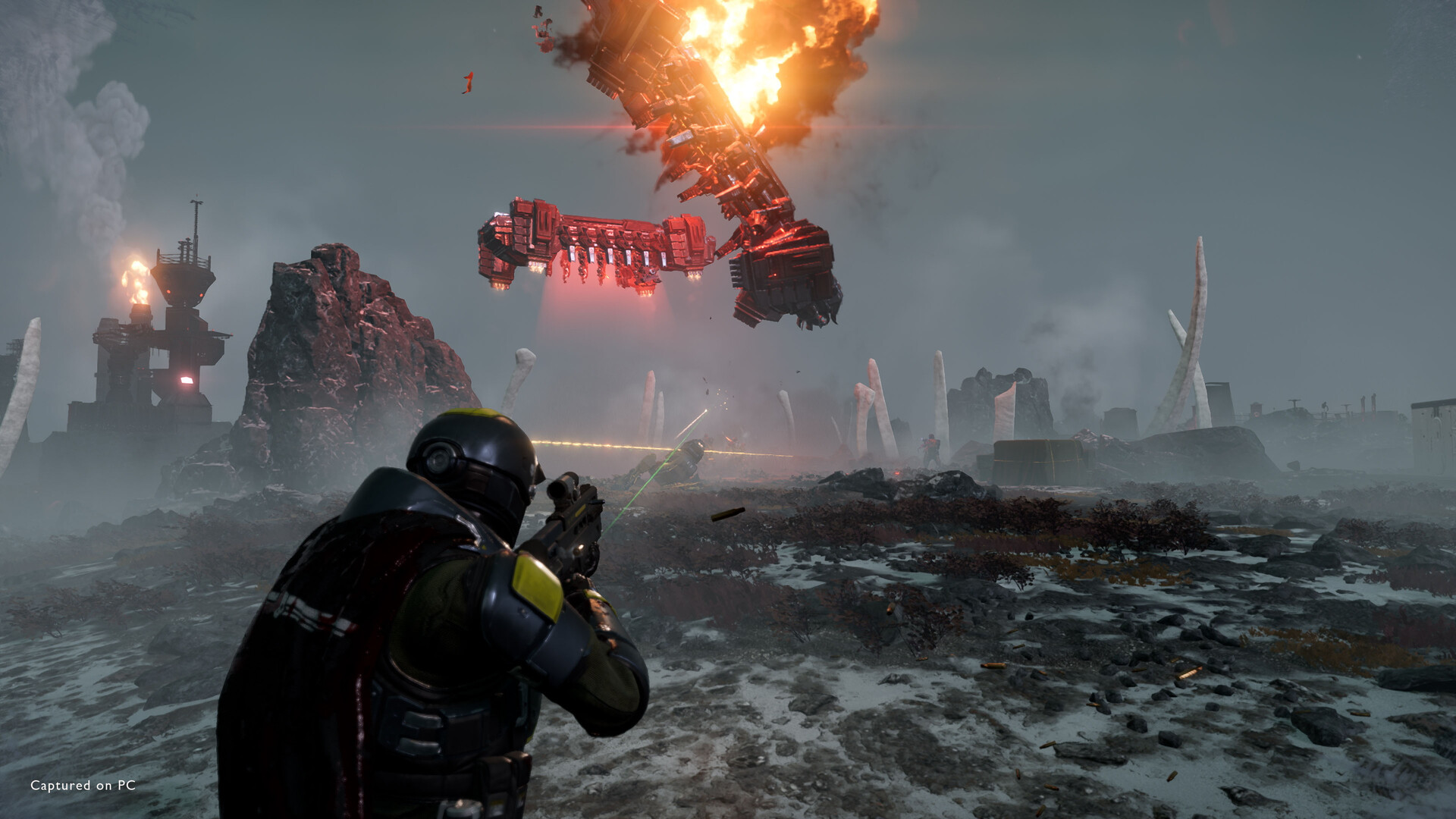
Quick Answer: The Helldivers 2 Rapid Launch System is a beginner-friendly way to get into the game fast: focus on one reliable loadout, unlock core stratagems early, spend resources on ship upgrades and survivability, and move up in difficulty only after you can extract consistently.
What Helldivers 2 Is Like
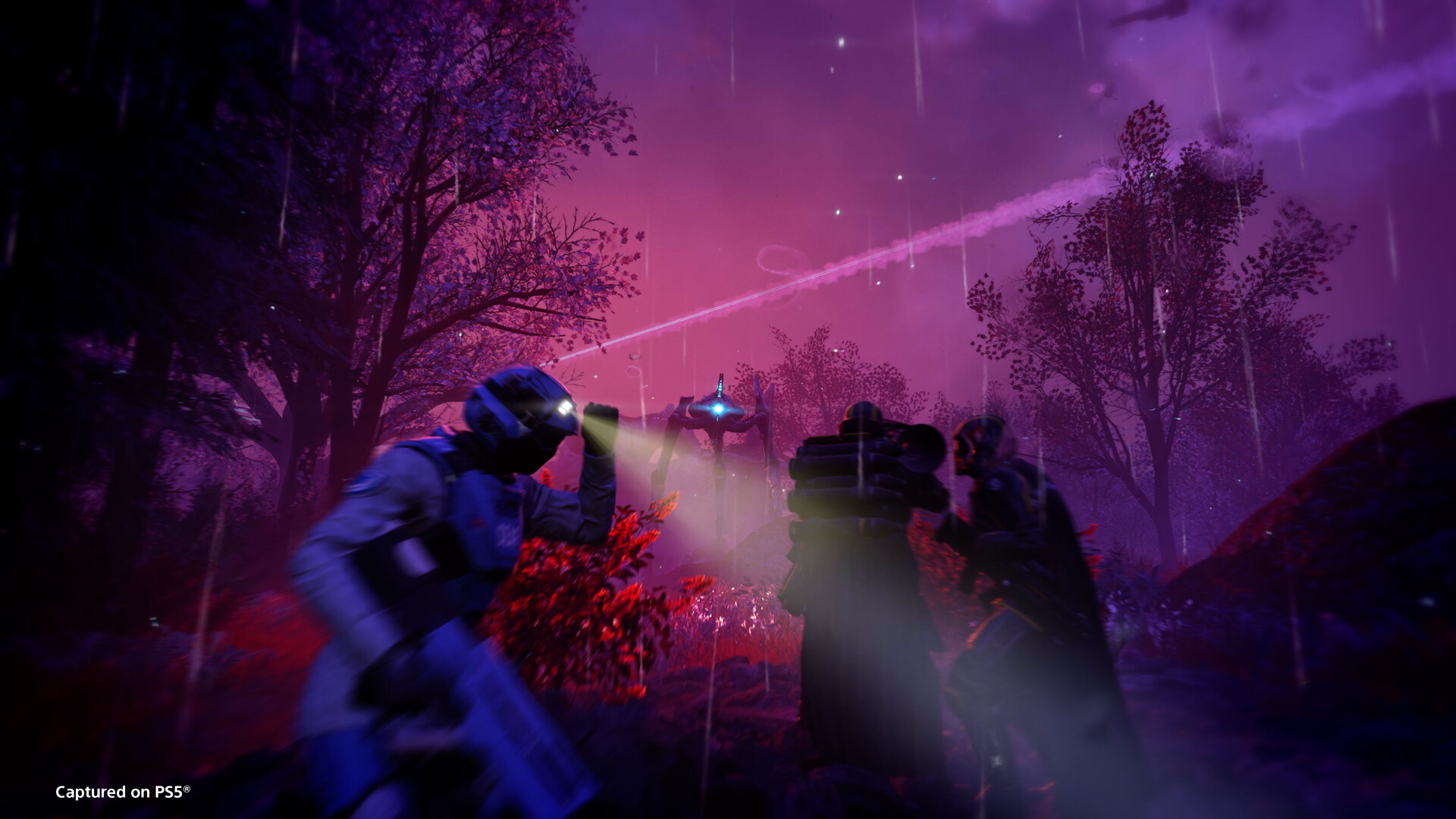
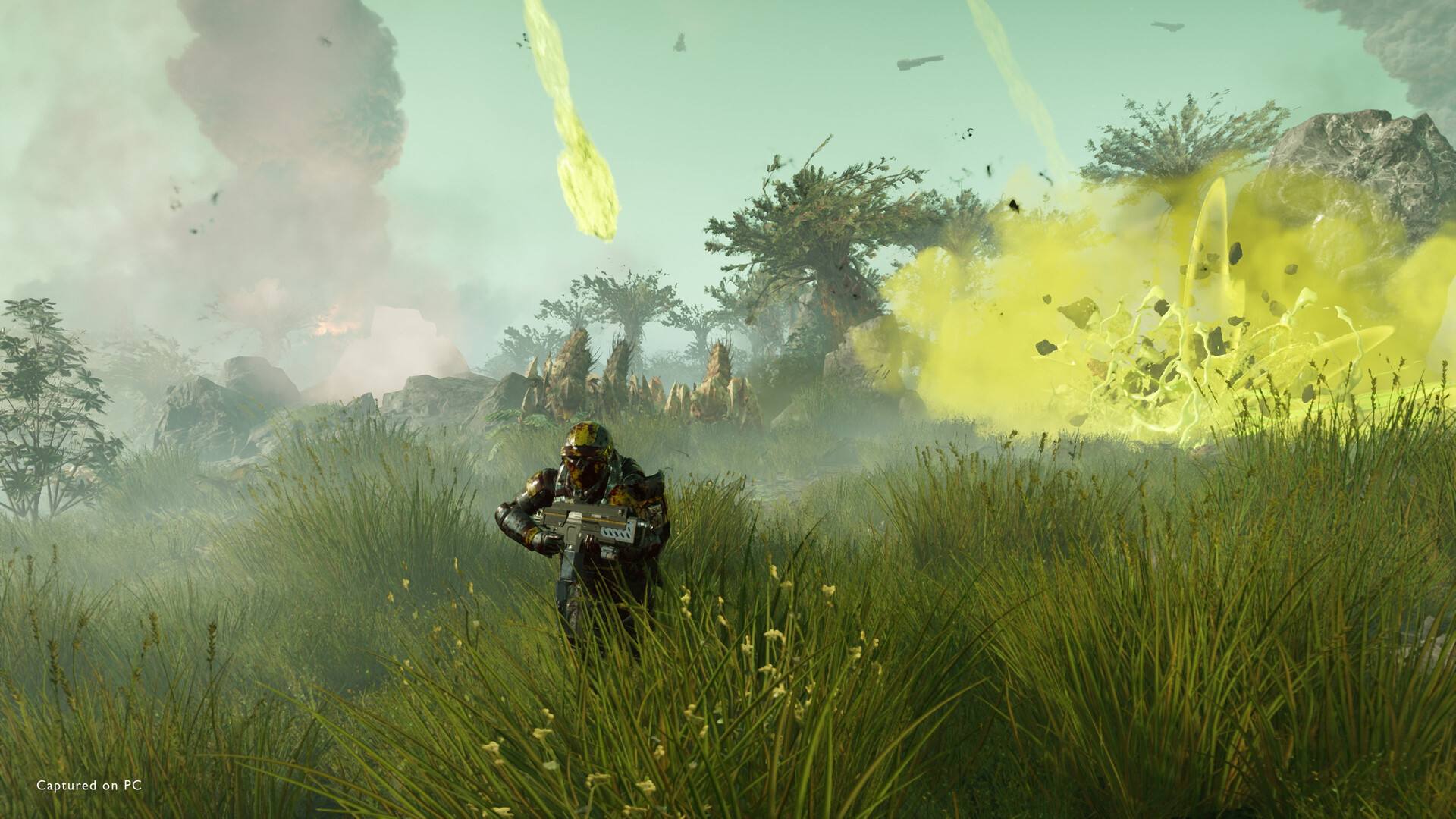
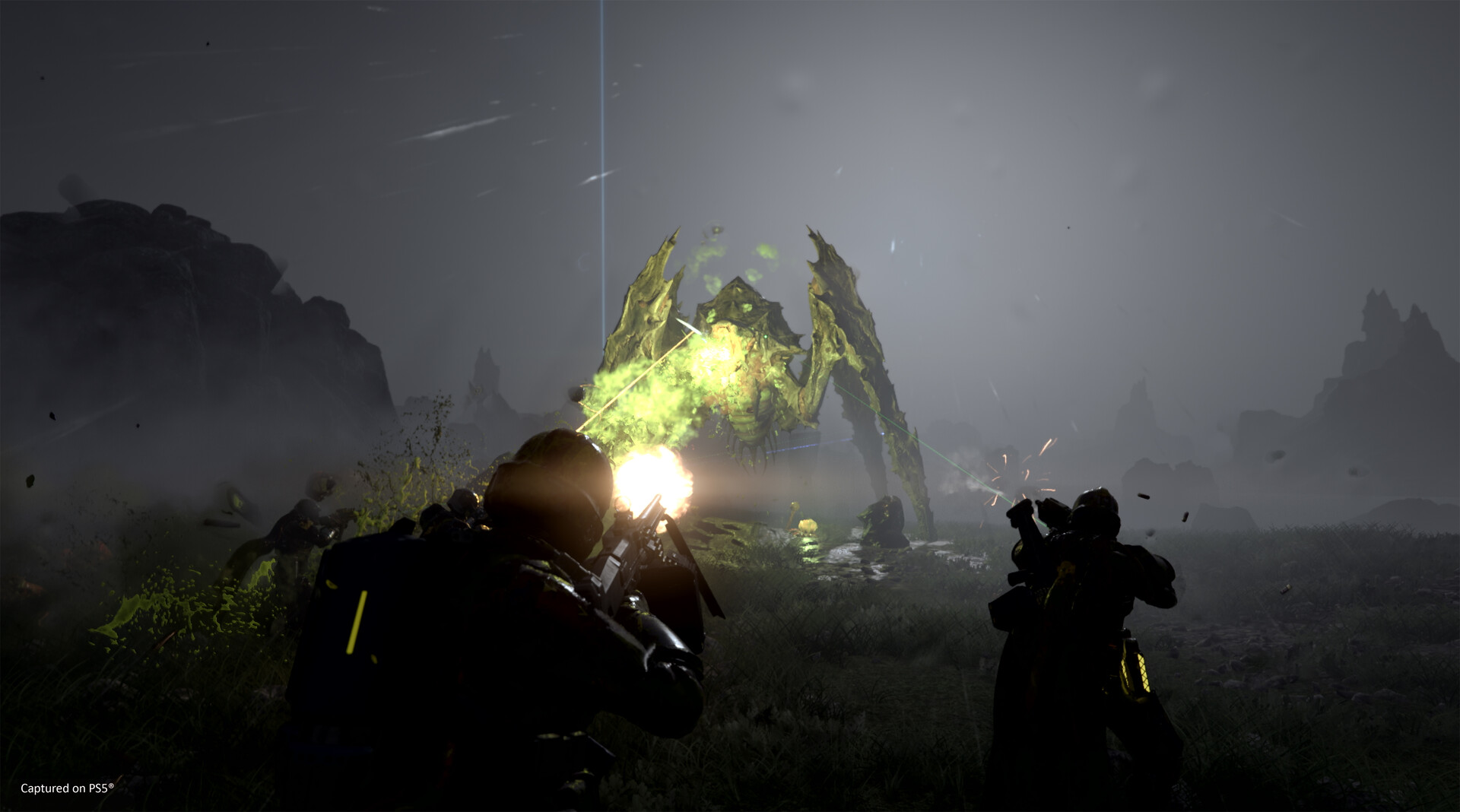
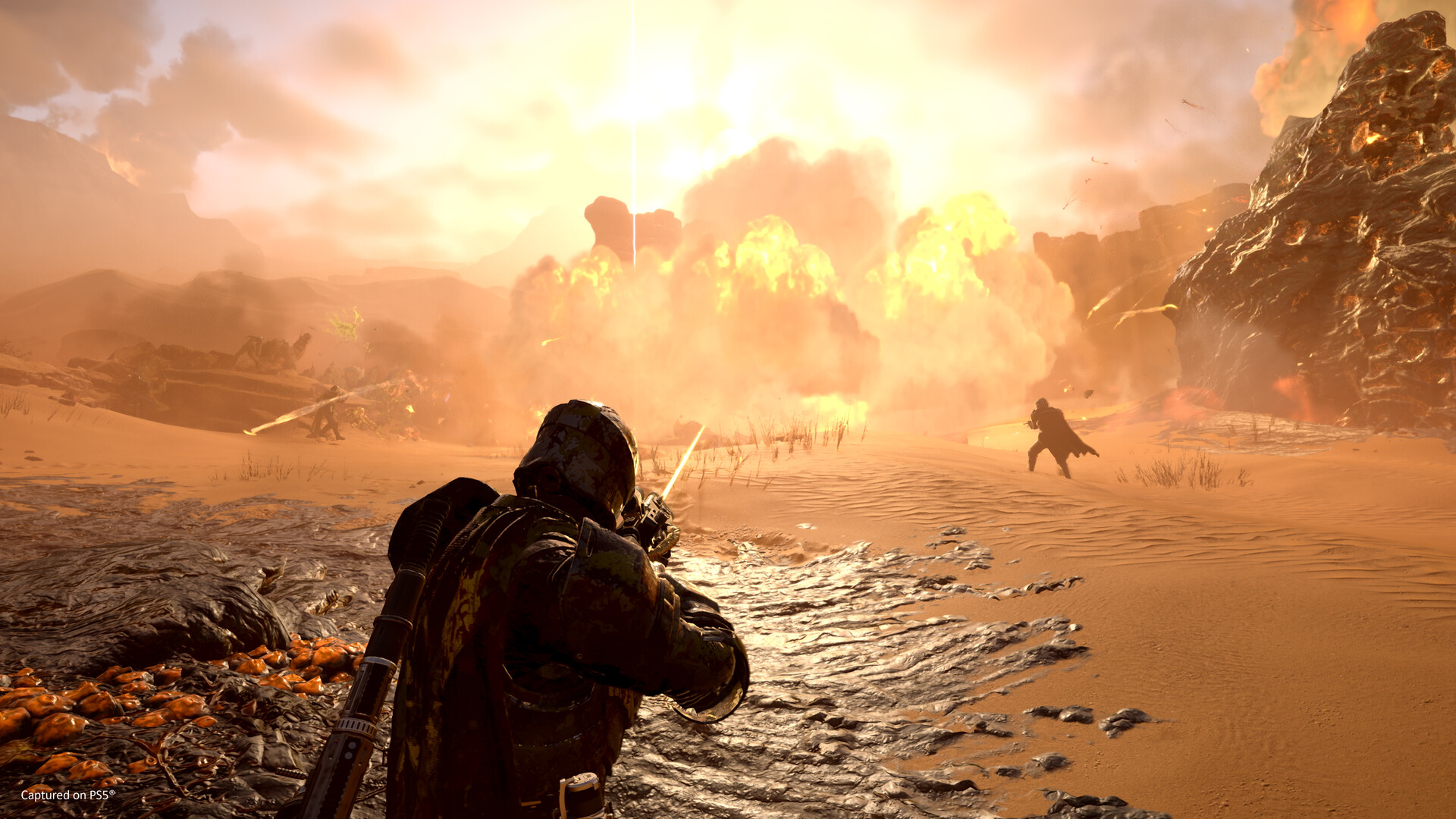
Helldivers 2 is a cooperative third-person shooter about surviving chaotic missions, completing objectives, and extracting under pressure. The game’s official store page describes it as “The Galaxy’s Last Line of Offence,” and that framing is accurate: you are not meant to play like a lone hero clearing every fight. You are meant to move with purpose, call support when needed, and finish the mission before the battlefield overwhelms you Source.
That cooperative design matters for beginners because almost every early mistake comes from treating the game like a conventional cover shooter. Helldivers 2 rewards teams that keep moving, share resources, and understand when to disengage. The core loop is simple: drop onto a planet, complete primary and secondary objectives, manage patrols and reinforcement pressure, and extract with as many samples, medals, and credits as you can secure. The difficulty comes from the accumulation of small errors, not from one complicated system.
The game also has a long tail, which is useful context for pacing your early learning. HowLongToBeat currently reports roughly 32.43 hours for the main story, 65.01 hours with extras, and 89.29 hours for completion Source. Those numbers are not a mandate, but they do tell you something practical: the game is built around gradual mastery, not a short tutorial and a hard stop. The early hours are about learning how missions flow, which enemy types matter, and which upgrades have the most immediate impact.
For a beginner guide, the important idea is that progress in Helldivers 2 is not just about personal aim. It is about systems knowledge: stratagem timing, reinforcement habits, equipment choice, and resource discipline. That is the mindset behind the Helldivers 2 Rapid Launch System approach. You want the quickest route from “I just landed” to “I can contribute reliably on live missions.”
First Hour Checklist
Your first hour should be spent unlocking basics, testing one weapon setup, and learning how to survive a full mission cycle rather than trying to grind everything at once. The fastest early progress comes from a focused loop: complete a few missions, observe what kills you, and use the post-mission rewards to buy only the upgrades that immediately make the next run easier.
Start with the core tutorial flow
- Complete the opening onboarding and move through the first mission with the default mindset of “learn the mission flow first.”
- Practice calling stratagems while under light pressure so you are not trying to read inputs during combat.
- Pick up samples, medals, and super credits whenever they are safe to grab, but do not chase them into bad fights.
The first hour is not the right time to improvise a complicated build. A beginner should pay attention to three things in every mission: how often the squad gets split up, which enemy type causes the most panic, and whether the team extracts with reinforcements left. If you cannot answer those three questions after a mission, you were moving too fast to learn anything useful.
Choose one dependable loadout and keep it
A simple, repeatable loadout is better than rotating through everything in the armory. Use one primary weapon that feels controllable, one support stratagem that solves a clear problem, and one defensive tool that keeps the team alive in messy situations. For example, a beginner might test a balanced rifle, a machine-gun style support weapon, or a defensive stratagem that makes extraction less chaotic.
Examples of first-hour-friendly choices include:
- A standard assault rifle for learning recoil and target priority.
- A support weapon that lets you handle armored targets without relying on teammates for everything.
- An offensive stratagem with a simple call-in pattern, so you can practice placement and timing.
The point is not to find the strongest possible setup on day one. The point is to remove uncertainty. When your weapon behavior stays consistent, you can start recognizing enemy patterns instead of fighting your own interface.
Spend your first rewards on survival value
Use your first medals and currencies on upgrades that help you live through one more mistake. Early in Helldivers 2, that usually means anything that improves durability, team support, or mission consistency. If a reward does not help you survive, extract, or complete objectives more reliably, it can wait.
A practical first-hour order looks like this:
- Unlock or improve a weapon or stratagem you already know you will use.
- Prioritize ship upgrades or warbond items that support survivability and mission tempo.
- Save experimental purchases until you understand what problem they solve.
Learn mission structure, not just combat
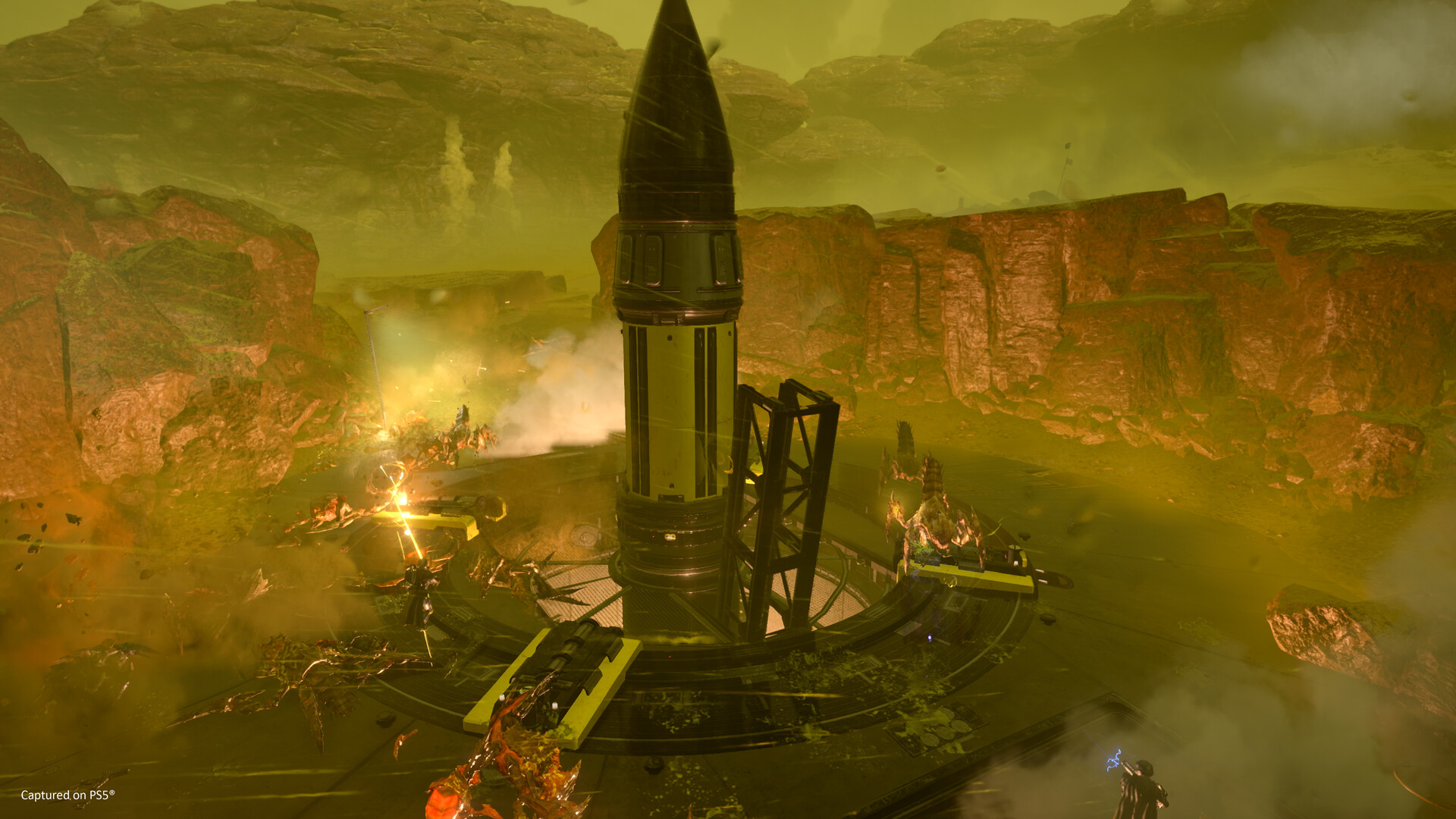
Missions are won by objective discipline, not by clearing every enemy spawn. In your first hour, deliberately practice moving from objective to objective instead of stopping for every fight. Try two or three mission types and notice which ones create the most pressure at the end. A launch site objective, a longer multi-step mission, and an extraction under swarm pressure each teach something different.
A useful beginner habit is to ask after each mission:
- Did we lose time to unnecessary fights?
- Did we call reinforcements before or after the team was already in trouble?
- Did we leave because the mission was done, or because we ran out of control?
That last question matters. New players often treat extraction as the finish line. In practice, extraction is the final test of whether your team understood the mission.
You might also like
- Helldivers 2 Why Now May Be the Perfect Time for a New Enemy Faction
- Helldivers 2 Beginner Guide: Start Strong, Spend Smart, and Survive the Early War
- Helldivers 2 How to Get the EX-03 Prototype 3 Armor Set
- Helldivers 2 Beginner Guide: Smart First Steps, Resources, and Common Mistakes
- Helldivers 2 How to Get and Use the Anti-Materiel Rifle
Resource Priority Order
Your resource priority order should favor permanent power, survivability, and flexibility before luxury unlocks or niche gear. Helldivers 2 gives you multiple currencies and upgrade paths, and the beginner trap is spending them on whatever looks flashy instead of what improves your next ten missions.
What to prioritize first
The broad order for beginners is:
- Ship upgrades that improve core mission reliability.
- Warbond unlocks that expand your dependable options.
- Weapons and stratagems that solve specific problems you actually encounter.
- Cosmetic or convenience purchases only after your core kit feels stable.
This order works because early progression is bottlenecked by consistency, not by novelty. If your squad keeps failing extracts, a new armor skin does nothing. If armored enemies are slowing your missions, a tool that handles armor is worth far more than another weapon that overlaps with something you already own.
Resource types and beginner use
| Resource | Best early use | What to avoid early |
|---|---|---|
| Medals | Unlocking practical warbond weapons, armor, and stratagem support | Chasing every branch at once |
| Requisition slips | Core stratagem unlocks that solve common mission problems | Buying niche tools before you need them |
| Samples | Ship upgrades that improve mission-wide performance | Hoarding indefinitely without spending |
| Super credits | High-value warbond access or emergency flexibility | Spending on low-impact cosmetics too early |
This table is a guide, not a rigid prescription, but it captures the beginner logic. The first upgrades should make your missions cleaner and your mistakes less punishing. In a squad game like Helldivers 2, that usually means more uptime, faster response to enemy pressure, and better objective completion.
What to unlock when
A sensible early unlock path is to build around one of three needs:
- Damage coverage: something that helps against light and medium enemies.
- Anti-armor coverage: something that handles heavier units or objective defense.
- Team stability: something that keeps the squad alive during extraction or objective holds.
Examples of practical early purchases include:
- A support weapon that gives you anti-armor access without needing a perfect squad composition.
- A stratagem that helps the whole team survive a wave during an objective.
- Armor or passive bonuses that make your positioning mistakes less punishing.
Do not spread your resources across three half-finished loadouts. A beginner with one complete loadout is far stronger than a beginner with five incomplete ones. That is the real value of the Helldivers 2 Rapid Launch System mindset: stabilize first, specialize later.
Hoard versus spend
Hoard samples only until you can buy a meaningful upgrade, then spend them. Hoarding too long delays your power spike and slows your learning because you are still playing with weaker tools. The same is true of medals. If a warbond node improves your current loadout, there is no reason to let it sit untouched while you grind unrelated content.
The exception is super credits and similar premium flexibility currencies, which you should treat as strategic rather than impulsive. If you already have a solid build, hold them for a purchase that expands your options rather than replacing one item with a marginally prettier version of the same role.
Common Mistakes
The most common beginner mistakes in Helldivers 2 come from bad priorities, poor spacing, and overcommitting to fights you do not need to take. These errors are predictable, which means they are fixable once you identify the pattern.
Mistake 1. Fighting every patrol
Many new players shoot every enemy they see because they assume fewer enemies on screen means more safety. That usually creates the opposite result because it draws more pressure than the patrol would have caused. Fix: move past patrols when the objective does not require a fight, and only engage when you can finish quickly or need the area clear for extraction.
Mistake 2. Calling stratagems without checking landing space
Players often throw orbital or support call-ins into tight terrain, on top of teammates, or in areas they plan to stand in a moment later. The result is self-inflicted damage and broken team rhythm. Fix: call stratagems where the team can safely step away, and make sure the impact zone is part of the plan rather than an afterthought.
Mistake 3. Spending resources on random unlocks
Beginners often buy whatever is newest, flashiest, or easiest to understand in the moment. That leaves them with a scattered armory and no dependable answer to common threats. Fix: spend on one complete loadout first, then widen your options only when a clear problem appears in your missions.
Mistake 4. Treating extraction like a bonus instead of a phase
A lot of failed runs happen because teams mentally relax once objectives are complete. Extraction is where weak positioning and poor cooldown management get exposed. Fix: save at least one emergency tool for extraction, regroup before the timer pressure starts, and stop looting once the squad needs to move.
Mistake 5. Splitting from the team too early
Solo wandering feels efficient until a patrol, reinforcement call, or objective chain goes wrong and nobody is in position to help. Fix: stay within help range until you understand when your team can safely split, and use pinging or simple callouts before you leave the group.
Mistake 6. Ignoring mission type differences
Not all missions reward the same habits. A fast objective run, a defensive hold, and an extraction under heavy pressure all demand different pacing. Fix: read the mission goal at the start and adjust your loadout and tempo to match it. If a mission asks for movement, do not camp. If it asks for defense, do not overextend.
Mistake 7. Upgrading too late
Some beginners sit on samples and medals for too long because they are waiting for the “perfect” purchase. That slows all future progression. Fix: spend on upgrades that noticeably improve your current loop, then test the effect immediately in the next few missions.
These are not rare edge cases. They are the default failure modes for new players, especially when the mission is going badly and everyone is reacting on instinct. The fix is usually less about mechanical skill and more about discipline.
Pro Tips
Advanced beginner play in Helldivers 2 is mostly about timing, positioning, and using the map state to reduce risk before a fight starts. These tips matter once you can survive the basics but still lose missions to avoidable chaos.
Tip 1. Save one answer for armor
Keep one tool in your loadout that reliably handles armored threats, whether that is a support weapon, a stratagem, or a teammate’s specialty. If you have no armor answer, every heavy enemy becomes a team-wide emergency.
Tip 2. Use objectives to control movement
On missions with multiple steps, move in a way that keeps the next objective close to your current position. The less backtracking you do, the fewer patrols and accidental fights you trigger.
Tip 3. Treat cooldowns like tempo tools
Do not fire every powerful stratagem the moment it comes off cooldown. Use it when the team is about to be pinned, not when the battlefield is still manageable.
Tip 4. Watch your reinforcement economy
A team with spare reinforcements can take calculated risks; a team with few left must play cleaner. If your reinforcements are dropping fast, stop improvising and tighten up your positioning.
Tip 5. Extract only after stabilizing the area
If extraction starts in a bad location, clear the immediate pressure, regroup, and force a cleaner angle before the timer becomes the main problem. A rushed extraction often loses more rewards than it saves.
Tip 6. Build around mission reality, not theory
A loadout that looks clever in the menu may underperform in live missions if it cannot answer common enemy types quickly enough. Test new gear in ordinary operations, not just in ideal conditions.
Tip 7. Learn which fights are “free” and which are traps
A small isolated group is usually manageable; a fight near an objective, a narrow approach, or an active extract zone can spiral quickly. The map position matters as much as the enemy type.
Tip 8. Keep one flexible slot
Leave one stratagem or weapon slot flexible so you can adapt to the mission you are actually playing. Fixed full builds are less forgiving in a game that changes sharply between objective types.
Graduation Threshold
You are out of the beginner phase when you can extract consistently on standard missions, manage your cooldowns without panicking, and understand why your squad failed when a run goes wrong. The beginner phase ends at competence, not at a specific level or unlock count.
A practical graduation threshold looks like this:
- You can complete your normal mission type without constantly relying on revive spam.
- You understand what your loadout does and can explain why each slot is there.
- You know when to disengage, when to hold ground, and when to spend a powerful stratagem.
- You can recover from a bad drop without immediately losing the mission.
- You are spending resources on upgrades that support a clear build plan rather than on impulse.
A few concrete examples make that easier to judge. If you can handle a mission where the squad gets separated briefly and still regroup cleanly, that is progress. If you can identify that an extraction failed because the team burned its emergency tools too early, that is also progress. If you can look at your loadout and say, “this handles light enemies well but struggles with armor,” and then adjust accordingly, you have crossed the beginner learning wall.
There is no single level where this happens. It is a behavior change. Players graduate when they stop asking, “what should I press?” and start asking, “what does this mission need?” That is the real shift from beginner to competent player.
The Helldivers 2 Rapid Launch System is useful here because it gives you a clean test. If your rapid early progression plan has produced a stable loadout, a clear resource path, and a reliable mission rhythm, you are probably no longer guessing. You are operating with intent.
Related Guides
The next step after this beginner guide is to branch into guides that answer the questions you will have once your first loadout is stable.
- Helldivers 2 Best Early-Game Stratagems
- Helldivers 2 Beginner Loadouts
- Helldivers 2 Mission Types Walkthrough
- Helldivers 2 Armor and Survivability Guide
- Helldivers 2 Sample Farming Guide
- Helldivers 2 Warbond Progression Guide
Sources
See also
- Helldivers 2 How to Use the Safe and Unsafe Railgun Modes
- Helldivers 2 Beginner Guide
- Helldivers 2 Beginner Guide: Xbox Launch and ODST Warbond Release Time
- Helldivers 2 Beginner Guide: Getting Started, Resources, and Early Progress
- Helldivers 2 Beginner Guide: Start Strong on Super Earth
- Helldivers 2 How to Farm Super Credits: Tips and Tricks
- Helldivers 2 Beginner Guide: Early Progress, Resources, and Common Mistakes
- Helldivers 2 How to Fix Failed to Join Game Lobby
- Helldivers 2 How to Get the CM-17 Butcher Armor Set
- Helldivers 2 How to Get the CE-67 Titan Armor Set
Screenshots

Reviewed by
HD2 Guides Editorial
Expertise: Editorial team behind HD2 Guides. Content is compiled from official patch notes, community wikis, and playthrough notes, then reviewed and updated on schedule.
Sources
Helldivers 2 Missions Guides →
Browse the complete missions collection and its focused guides.
Related Guides
🔥 Popular Guides
Helldivers 2 helldivers 2 warhammer 40k collaboration update Patch Notes Explained
Helldivers 2’s Warhammer 40K crossover adds Castellan’s Creed, new weapons, armor, enemies, missions, SEAF allies, and more.
Helldivers 2 super helldive achievement guide
Achievement guide for Helldivers 2 covering rare trophies, hidden requirements, missable timing, and a full Super Helldive completion route.
HELLDIVERS™ 2 all achievements: complete achievements guide
Full Helldivers 2 achievements guide with rarest trophies, hidden unlocks, missables, and a 100% completion route.
Helldivers 2 patch notes 7.0.2: What changed in the Void update era
What changed in Helldivers 2 patch notes 7.0.2, including new Illuminate threats, SEAF support, the level cap increase, and squad action items.
📋 Patch Notes & Updates
🛠️ Popular Tools
Was this guide helpful?
Rate this guide so we can improve it.
Share your own tip
Found something not in the guide? Submit it below — our editors review every tip before publishing. No account required.